
Don’t Let One Problem Ruin Your Vacation
A few seconds now protects the trip you’ve already invested so much into.
Short Excerpt
- Caribbean hurricane risk is not evenly distributed, with southern islands historically experiencing fewer direct strikes than destinations inside the central and northern hurricane belt.
- Aruba, Bonaire, Curaçao, Trinidad and Tobago, Barbados, and Grenada stand out for travelers who want to reduce storm exposure without giving up resorts, beaches, culture, diving, or outdoor experiences.
- Lower historical risk improves the odds of an uninterrupted trip, but flexible bookings and travel protection still matter when flights or other parts of the itinerary can be disrupted elsewhere.
Quick Take
- Aruba, Bonaire, and Curaçao offer the strongest combination of southern geography and historically infrequent direct hurricane impacts.
- Trinidad and Tobago also sit far south, while Barbados and Grenada provide additional options with somewhat greater storm exposure than the ABC islands.
- Geography matters because many Atlantic hurricanes travel through the central or northern Caribbean or curve north before reaching the lowest Caribbean latitudes.
- Resort operations can still change because of rough seas, rain, regional flight disruptions, or an unusual tropical system even when a direct hit is unlikely.
- Choose the island for both its storm history and its vacation strengths rather than allowing hurricane statistics to become the only reason you visit.
Why Some Caribbean Islands See Far Fewer Hurricanes Than Others
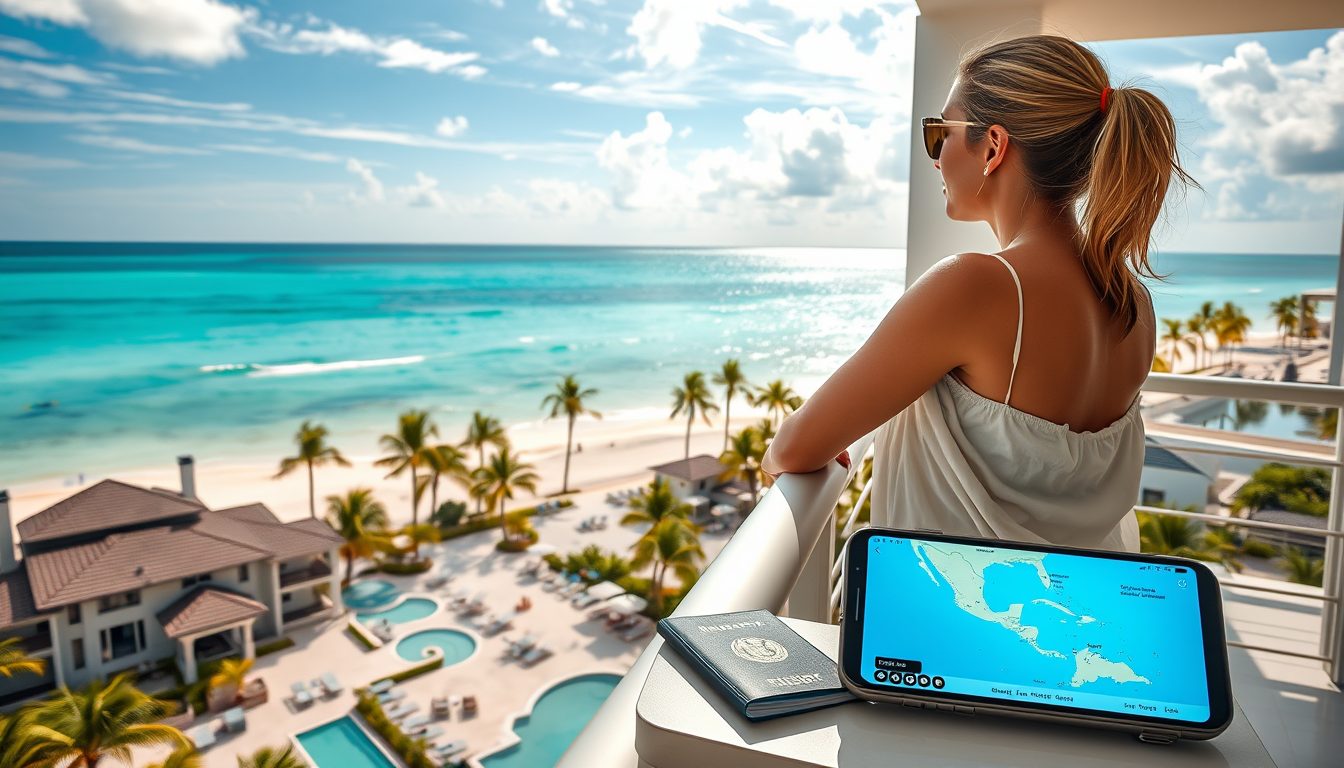
Planning a Caribbean resort escape during hurricane season does not have to feel like a gamble.
Some islands sit far south of the storm corridor and see dramatically fewer direct hits.
Choosing these destinations means fewer flight disruptions, steadier resort operations, and a calmer vacation vibe.
Here’s which islands stay safest, why geography matters, and how to protect your investment even when you pick a low-risk spot.
Understanding the Hurricane Belt—and Why It Shapes Safer Caribbean Choices
The “hurricane belt” is the broad Atlantic-Caribbean zone most frequently crossed by tropical storms and hurricanes.
It spans the Gulf of Mexico, the central and northern Caribbean, and then arcs toward the U.S. Atlantic coast as storms curve north. (NOAA)
Islands inside this corridor experience more storm passes and more direct landfalls over decades of climatology.
That higher-risk set includes places like the Bahamas, Jamaica, Puerto Rico, the Dominican Republic, and the U.S. Virgin Islands, plus the northern Caribbean coasts near Mexico. (U.S. News Travel)
Islands outside the belt sit farther south, closer to South America, and below the latitude where most Atlantic hurricanes travel. (NOAA)
Most storms form in the tropical Atlantic, drift west, and then bend north before they ever reach these lower latitudes. (NOAA)
For resort travelers, that geography matters in a practical way.
Picking a southern island doesn’t promise a storm-free week, but it dramatically lowers the odds of a direct hurricane hit during your stay.
That means fewer mid-trip closures, fewer panic-driven flight changes, and a much better chance your vacation runs as planned.
Safest Caribbean Islands for Hurricane Season—and What Makes Them Low Risk
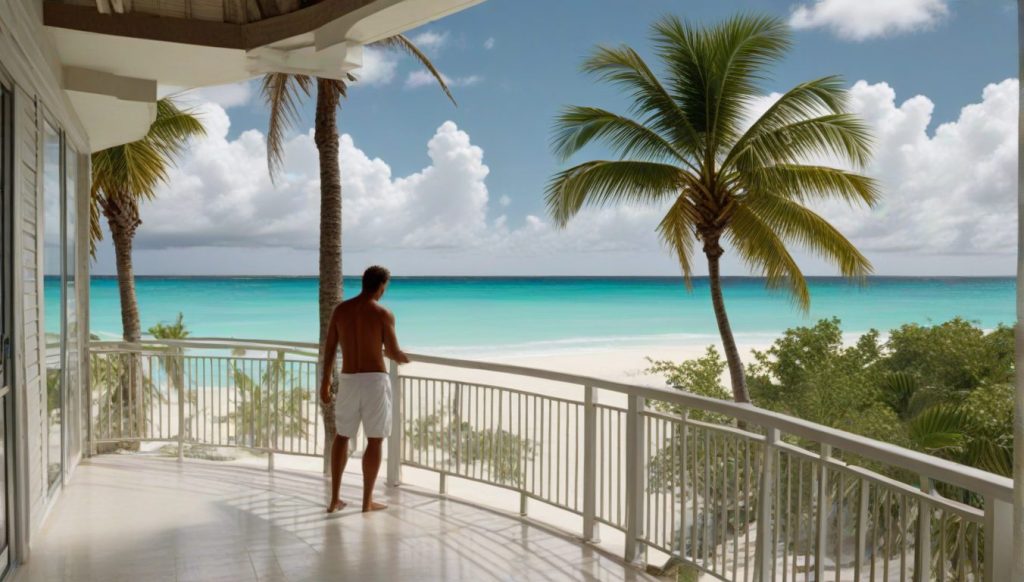
These islands are the most consistent low-risk choices in hurricane season because they sit below or along the outer edge of the main storm path.
No destination is immune to tropical weather, and fringe impacts can still happen.
But over long historical records, these islands see far fewer direct hurricane strikes than the northern Caribbean. (Frommer’s)
Paradise Is Calling Your Name
Explore Sandals & Beaches deals
If your main goal is a relaxed resort week with minimal forecast anxiety, these are the strongest bets.
Aruba
Aruba is a bright, breezy resort island that sits just north of Venezuela and well south of the hurricane belt. (Frommer’s)
Direct hurricane impacts here are extremely rare in modern records, which is why so many late-summer travelers choose it first. (ABC News)
Most storms curve north long before reaching Aruba’s latitude, so the island typically feels steady even during busy Atlantic weeks. (NOAA)
Aruba also runs drier than much of the Caribbean, so peak-season weather tends to look like quick showers rather than multi-day washouts.
What a resort week feels like is simple and reassuring.
You can book September or October stays without expecting routine shutdowns, and trade winds keep beach time comfortable even when the rest of the region is humid.
If you plan to do popular catamaran sails, off-road jeep days, or snorkeling, locking those in ahead of time through GetYourGuide often saves real time on island.
In shoulder season, operators cap group sizes earlier, and having mobile tickets already sorted means you skip will-call lines and don’t burn a morning hunting for availability.
Aruba is also one of the easiest islands to explore on two wheels.
Using BikesBooking.com to pre-reserve an e-bike or comfort cruiser is a practical upgrade if you want to glide between Palm Beach, Eagle Beach, and Oranjestad without car-rental stress.
That kind of simple mobility matters in hurricane season because it lets you pivot your day quickly if cloud cover rolls in for an hour or two.
Bonaire
Bonaire offers a calm, reef-centered resort escape that stays safely outside the main hurricane corridor. (Frommer’s)
It sits in the same southern chain as Aruba and Curaçao, a region known across climatology for very low direct-hit frequency.
Storm tracks rarely dip south enough to strike Bonaire head-on, and late-summer weather is usually steadier than islands farther north. (NOAA)
For resort travelers, the signature advantage is how the island connects you to the water.
Many of Bonaire’s best snorkel and dive sites are walk-in or a short drive from resorts, so your enjoyment doesn’t depend on boat schedules.
Even if seas are a touch choppier for a day, you can still have a full reef experience from shore.
That lowers stress in storm season because a “weather wobble” doesn’t knock out your whole plan.
Escape the Chaos. Upgrade to Paradise.
See today’s exclusive offers
If you want to cover multiple coastal spots in a single day, a pre-booked e-bike or scooter through BikesBooking.com keeps routing simple and avoids parking bottlenecks near popular entries.
It’s a quiet island, so having your wheels lined up ahead of time often saves more time than you’d expect.
The result is a trip that stays mellow even when the Atlantic is busy elsewhere.
Curaçao
Curaçao feels colorful and lively, and it shares the southern latitude advantage that keeps hurricanes mostly north of its shores.
Direct impacts are rare over long storm histories, which gives resorts here a strong operational track record in late summer and early fall.
Most storms turn north before they approach Curaçao’s latitude, and the island’s infrastructure is built for tropical weather resilience. (NOAA)
For resort travelers, Curaçao shines because you get beaches and a city base in one trip.
Willemstad’s compact waterfront, markets, museums, and restaurants give you built-in alternatives if you get a breezy afternoon.
That depth matters in hurricane season because one gray hour doesn’t derail your vacation mood.
For excursions such as West Coast beach runs, cave visits, or neighborhood cultural walks, booking via GetYourGuide is a clean way to reduce friction.
You tend to save time by skipping on-site ticket lines, and mobile confirmations make last-minute pivots easier if weather shifts.
If you want the most cost-efficient way to stack two or three paid stops in a day, a Curaçao-specific pass from Go City can be worth a close look.
The math usually works best when you’re pairing higher-priced attractions or tours on the same daylight block, and pass reservations reduce the mental load of pricing each stop separately.
That’s especially useful in storm season because it keeps your plan simple and flexible at the same time.
Trinidad And Tobago
Trinidad and Tobago sit near the far southern edge of the Caribbean, close to South America, and they are rarely in the direct path of Atlantic hurricanes.
Most storms form and curve north before reaching this latitude, which keeps direct hits far less frequent than on the northern island chain. (NOAA)
Find the Escape You’ve Been Craving.
Reveal limited‑time Caribbean deals
That lower disruption rate is a real comfort if you’re traveling during the heart of the season.
Trinidad brings culture, markets, and festivals, while Tobago delivers quieter beaches and rainforest calm.
Because major storm interruptions are uncommon, you can plan nature days, birding, and coastal excursions without building a full backup schedule for every morning.
If you’re aiming to see a mix of sites spread across the islands, a hop-on route from Big Bus Tours can reduce backtracking and cut down on taxi churn.
The practical win is predictable headways and fewer “where do we park next” delays.
That kind of smooth transport helps keep your trip easy even if a tropical system creates regional flight noise elsewhere.
Barbados
Barbados sits closer to the storm corridor than the ABC islands, yet it still ranks as a lower-risk choice compared with much of the northern Caribbean.
Its eastern position and strong preparedness systems have historically reduced frequent direct strikes, even though rare impacts do occur.
For resort travelers, the big benefit is consistency.
Properties here are used to operating through late summer, and the most common pattern is short showers rather than prolonged closures.
Barbados also offers a wide range of indoor and sheltered attractions.
Caves, rum distilleries, historic Bridgetown, and food events make a rainy spell feel like a shift in flavor, not a ruined day.
If you know you’ll want to do multiple ticketed stops, comparing a Barbados pass option through Go City can help you control costs.
The pass tends to pay off when you plan two or more paid attractions in one day, and having a single mobile entry method cuts line time at the door.
In hurricane season, that efficiency buys you more usable daylight without over-planning.
Grenada
Grenada is not as storm-shielded as the ABC islands, but it remains one of the safer hurricane-season resort picks in the southern Caribbean.
Its latitude lowers direct-hit odds, and the island’s terrain and tourism systems support steady recovery even when a rare system comes close. (NOAA)
Resort travelers love Grenada because it offers variety beyond the beach.
Chocolate estates, spice plantations, rainforest hikes, and the underwater sculpture park give your week depth.
That matters in late summer because you’re not held hostage to a “perfect beach day” mentality.
Turn Your Next Getaway into Magic.
Discover your perfect resort match
If seas look rough one morning, you still have a full menu of land adventures that feel worthwhile.
For pairing multiple sights across the island without parking headaches, reserving an e-bike or scooter through BikesBooking.com can be a quiet game-changer.
It keeps routing efficient, reduces backtracking on narrow roads, and lets you slip in scenic coastal stretches when the light is right.
In storm season, that flexible movement is the difference between a day feeling compromised and a day feeling creatively redirected.
Why These Caribbean Islands Stay Safer During Hurricane Season
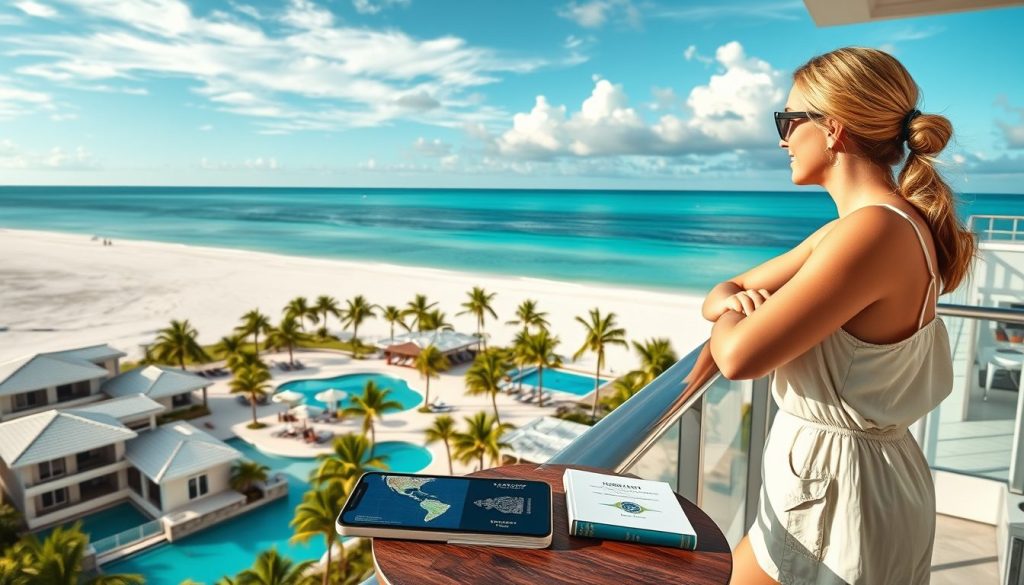
The safety pattern in the far southern Caribbean is not random.
Geography is the first driver.
Islands closer to the equator sit below the latitude where most Atlantic hurricanes track, so storms often pass north without ever nearing shore. (NOAA)
Historical storm records reinforce that position advantage.
Over many decades of climatology, direct landfalls cluster in the central and northern Caribbean far more often than in the deep south.
Infrastructure also plays a role.
Southern resort hubs have long prepared for tropical weather, and newer properties are engineered for high winds, heavy rain events, and quick operational pivots. (U.S. News Travel)
Traveler seasonality supports stability, too.
Because these islands hold steady during peak hurricane months, cancellation rates are generally lower and tourism operations remain predictable.
The takeaway for you is practical.
You are choosing a destination where the baseline odds favor uninterrupted beach days, open tours, and normal resort rhythm.
What Resorts Do in Hurricane Season—Even on Safer Islands
Even on low-risk islands, resorts take hurricane season seriously.
Most properties monitor the National Hurricane Center feed and communicate early if a system forms. (NOAA Coastal Management)
They secure beachfront furniture, suspend water activities if needed, and shift entertainment indoors when conditions call for it.
Resorts also coordinate with local authorities on safety decisions and maintain clear shelter or relocation protocols if a rare threat approaches. (U.S. News Travel)
What matters for your wallet is the refund reality.
Even in safer zones, many resorts operate under force-majeure clauses, meaning full cash refunds usually apply only if the property closes officially. (U.S. News Travel)
If the resort stays open, you’re more likely to see credits, rebooking offers, or partial concessions instead of a full refund.
That’s fair from their point of view, but it leaves travelers exposed to ripple disruptions.
Which leads to the simplest smart move of hurricane-season travel.
You still want coverage, even when your island choice is low risk.
How Travel Insurance Turns Hurricane Season into a Managed Risk
Choosing a safer island lowers hurricane odds, but it doesn’t eliminate disruption.
A storm that never touches Aruba can still shut down a U.S. hub you fly through, which can cost you nights and connections.
That kind of indirect impact is the most common vacation spoiler in storm season.
A strong hurricane-aware policy can cover trip cancellation if a storm warning affects your destination or your flights.
It can also cover trip interruption if you must leave early, plus delays, missed connections, and certain prepaid activity losses.
For maximum flexibility, some plans offer Cancel For Any Reason upgrades.
These must be purchased within a short window after your first trip payment, usually about two to three weeks, and they reimburse only part of non-refundable costs.
That matters if your biggest stress is emotional uncertainty rather than an actual storm.
Insurance turns hurricane season from a gamble into a managed risk.
And managed risk is what makes summer resort pricing feel like a win instead of a worry.
How Planning Partners Protect Your Safer Caribbean Resort Trip
Lower storm exposure is step one.
Protecting the money you already put down is step two.
These planning partners help you do that in different, complementary ways.
VisitorsCoverage: Flexible Hurricane-Season Protection
VisitorsCoverage lets you compare multiple insurers side by side, which is especially useful in hurricane season.
Storm triggers and covered-reason language vary by carrier, so a comparison view keeps you from guessing.
You can scan for policies that explicitly include hurricane-related cancellation and interruption, rather than assuming every plan handles storms the same way.
If flexibility is your comfort blanket, many plans available through VisitorsCoverage also offer CFAR add-ons.
Just remember that CFAR is time sensitive and usually requires insuring the full prepaid total.
For resort trips with multiple rooms or prepaid excursions, that clarity can save you thousands of dollars if travel goes sideways.
World Nomads: Strong For Active Resort Trips
World Nomads is built for travelers who mix resort time with excursions.
That matters on safer islands like Bonaire or Grenada, where diving, hiking, and cultural touring are a big part of the appeal.
Their coverage is designed to handle interruption, delay, and medical needs that can pop up alongside active itineraries.
Depending on your state of residence and plan choice, CFAR may be available on select options for U.S. travelers.
So if your late-summer resort plan includes real adventure, World Nomads fits naturally.
It supports the trip you actually want to take, not just the hotel you booked.
Ekta: Affordable Core Coverage
Ekta is a budget-friendly way to secure the essential protections many resort travelers need.
Plans typically include covered-reason cancellation, interruption, emergency medical care, and evacuation.
What Ekta does not offer is CFAR.
So think of Ekta as solid, affordable essentials rather than maximum emotional flexibility.
For plenty of travelers, that is the right match.
You lower storm risk through geography, then cover indirect disruption through a clean core policy.
Insubuy: Plan Aggregation And CFAR Filtering
Insubuy aggregates plans from multiple major insurers and makes hurricane-season comparison fast.
You can filter for storm coverage, price posture, and CFAR availability in one pass.
This is especially helpful for families, wedding groups, or multi-room resort bookings.
When everyone is aligned on coverage triggers, you avoid messy “who gets refunded” situations later.
If your goal is clarity and matched expectations across the group, Insubuy is a practical tool.
It keeps your planning clean before you ever board a plane.
Compensair: The Flight Disruption Backstop
Compensair is not insurance, but it helps you pursue airline compensation for eligible delays or cancellations.
That matters in hurricane season because flights are the first domino to fall, even when your destination is calm.
A shutdown in Miami or Puerto Rico can ripple into a Curaçao trip that never sees a raindrop.
Insurance covers your costs, while Compensair helps you recover what the airline may owe under passenger-rights rules.
Used together, they create a stronger safety net.
You protect both your cash flow and your rights as a traveler.
Real Scenarios That Show Why Insurance Still Matters on Safer Islands
Here is how these tools matter in real life.
Flight delay to Curaçao.
A storm closes a Florida hub, your island stays sunny, but your route collapses, and delay benefits cover food, lodging, and rebooking.
Excursion cancellation in Barbados.
Seas are rough, your prepaid sailing trip is called off, and if the operator cannot refund, eligible activity reimbursement protects you.
Medical problem in Grenada.
A hike ends with a sprain, and emergency medical plus evacuation coverage prevents a painful bill surprise.
Emotional cancellation before departure.
You booked September but feel uneasy watching forecasts, and CFAR lets you cancel early and recover a large share of non-refundable costs.
Early departure mid-trip.
A rare system drifts toward the region, your resort supports a voluntary exit, and interruption benefits help cover unused nights and transport changes.
The thread is consistent.
Safer islands reduce the risk, and insurance handles the parts geography can’t control.
Smart Hurricane-Season Resort Picks for Peace of Mind
If you want the Caribbean during hurricane season without living inside a forecast app, go south.
Aruba, Bonaire, and Curaçao are the lowest-risk core trio because they sit well below the main storm path. (Frommer’s)
Trinidad and Tobago, Barbados, and Grenada are also strong choices when you want far fewer direct-impact odds than the northern island chain.
Pair that geography advantage with hurricane-aware travel protection through VisitorsCoverage or Insubuy.
Add World Nomads if your resort trip includes diving, hiking, or heavy excursion days.
Use Ekta if you want dependable core coverage at a lighter price.
Keep Compensair in your back pocket for airline disruption follow-through.
Do that, and June-to-November travel stops being a stress test.
It becomes a smart way to get a calmer, often cheaper Caribbean resort week, with your money and your peace of mind protected.
FAQ – Why Do Some Caribbean Islands See Far Fewer Direct Hurricane Hits?
Which southern Caribbean islands consistently avoid the strongest hurricane impacts?
Aruba, Bonaire, and Curaçao sit well south of the main storm corridor, so most Atlantic systems curve north long before reaching them.
Their latitude keeps direct strikes extremely rare, which is why resort operations in late summer tend to feel steady.
This matters for travelers who want predictable beach days and fewer last‑minute itinerary changes.Why does geography make islands like Aruba and Bonaire safer during hurricane season?
These islands sit below the latitude where most storms travel, and long-term climatology shows that hurricanes typically form in the Atlantic, drift west, and then bend north.
Because they lie outside that bend, they avoid the repeated passes that northern islands experience.
Understanding this pattern helps travelers choose destinations where weather-related disruptions are less likely.How does Curaçao’s mix of beaches and city life help during unpredictable weather?
Curaçao offers both coastal relaxation and a compact urban center in Willemstad.
If a breezy afternoon rolls in, travelers can pivot to markets, museums, or restaurants without losing the day.
This built‑in flexibility keeps trips enjoyable even when conditions shift, which is especially valuable during peak hurricane months.What makes Trinidad and Tobago a low‑risk option for late‑summer resort travel?
Their southern position near South America keeps them far from the typical hurricane track.
Storms usually curve north before reaching this latitude, so major interruptions are uncommon.
This allows travelers to plan nature days, birding, and coastal excursions without building a full backup schedule for every morning.How do islands like Barbados and Grenada stay relatively stable despite being closer to the storm corridor?
Barbados benefits from strong preparedness systems and an eastern position that reduces frequent direct hits, while Grenada’s southern latitude lowers impact odds.
Both islands also offer diverse indoor and land-based activities—such as caves, distilleries, chocolate estates, and rainforest hikes—so a rainy spell doesn’t derail the entire trip.What steps do resorts on safer islands take when a tropical system forms?
Resorts monitor official storm feeds, secure outdoor areas, pause water activities when needed, and shift entertainment indoors.
They also coordinate with local authorities and maintain clear shelter protocols.
These measures help maintain normal operations during minor disturbances and ensure readiness if a rare threat approaches.Why is travel insurance still important even when visiting low‑risk islands?
Storms can disrupt flights or connecting hubs even if your destination stays sunny.
Insurance can cover cancellations, interruptions, delays, missed connections, and certain prepaid activity losses.
This protects the value of your trip from indirect impacts—the most common hurricane‑season spoiler.How do planning tools like VisitorsCoverage, Insubuy, World Nomads, Ekta, and Compensair support hurricane‑season travel?
VisitorsCoverage and Insubuy help compare policies with hurricane‑specific triggers, World Nomads supports active itineraries, Ekta offers essential coverage at a lower price, and Compensair helps pursue airline compensation for eligible delays.
Using these tools together creates a stronger safety net for both flights and resort plans.What real‑world scenarios show why coverage matters even on safer islands?
A storm closing a U.S. hub can delay a trip to Curaçao; rough seas can cancel a prepaid sailing in Barbados; a hiking injury in Grenada may require medical care; or a traveler may simply feel uneasy watching forecasts and want flexibility.
Insurance helps absorb these disruptions so the trip doesn’t become a financial burden.How can travelers keep their plans flexible when weather shifts on islands like Aruba or Grenada?
Pre‑booking mobile-friendly excursions through platforms such as GetYourGuide or using e‑bikes and scooters from BikesBooking.com allows quick pivots when conditions change.
These small planning choices reduce friction, save time, and help travelers make the most of each day—even if clouds or choppy seas briefly appear.