
Hurricane season in the Caribbean runs from June through November, but not every island is equally exposed.
That’s why you should choose storm‑safe islands with luxury resorts, vibrant culture, and calm escapes — all outside the hurricane belt.
With fewer crowds and off‑season rates, these destinations turn storm anxiety into stress‑free confidence.
From Aruba’s desert landscapes and nightlife to Bonaire’s world‑class diving, Curaçao’s colorful culture, Barbados’ rum heritage, Grenada’s spice plantations, and Trinidad & Tobago’s music‑driven festivals, these islands consistently rank among the safest Caribbean alternatives during storm season.
Aruba – Desert Beauty and Storm‑Safe Luxury
Aruba is one of the driest islands in the Caribbean, averaging just 15 inches of rain annually.
Its southern location keeps it well outside the hurricane belt, making it a reliable year‑round choice.
Beyond its beaches, travelers can explore Arikok National Park’s desert terrain, snorkel at Tres Trapi with sea turtles, or dive the Antilla shipwreck.
Evenings bring Dutch‑Caribbean cuisine, casinos, and live music along Palm Beach.
Top Resorts:
- The Ritz‑Carlton Aruba
- Hyatt Regency Aruba Resort Spa & Casino
- Bucuti & Tara Beach Resort (adults‑only, Eagle Beach)
Bonaire – Diving Paradise with Calm Seas
Bonaire is a diver’s dream, with more than 80 marked sites in its marine park.
September through November brings warm waters and fewer divers, making it ideal for underwater exploration.
Visitors can also kayak through mangroves, spot flamingos at Goto Lake, and enjoy Rincon’s traditional music and cuisine.
Top Resorts:
Paradise Is Calling Your Name
Explore Sandals & Beaches deals
Curaçao – Colorful Culture and Coastal Adventures
Curaçao blends Dutch colonial charm with Caribbean flair.
Its southern position makes it a safe bet during storm season.
Willemstad’s UNESCO‑listed pastel streets provide cultural depth, while Shete Boka National Park offers dramatic coastal hikes.
September and October bring lively music and food festivals that celebrate Afro‑Caribbean heritage.
Top Resorts:
- Baoase Luxury Resort
- Avila Beach Hotel
- Sunscape Curaçao Resort, Spa & Casino
Barbados – Rum Heritage and Rare Storms
Barbados sits on the eastern edge of the Caribbean and rarely suffers direct hurricane hits.
Travelers can tour the Mount Gay Rum Distillery, explore Harrison’s Cave, or surf Bathsheba’s rugged Atlantic coast.
Carlisle Bay offers calm waters for snorkeling, while cultural performances echo the island’s Crop Over traditions.
Top Resorts:
- Sandy Lane
- Fairmont Royal Pavilion
- The Crane Resort
Grenada – The Spice Island
Grenada’s southern location reduces hurricane frequency, making it a safer alternative.
Visitors can snorkel at the Underwater Sculpture Park, hike to Annandale Falls, or tour spice plantations that give the island its nickname.
Escape the Chaos. Upgrade to Paradise.
See today’s exclusive offers
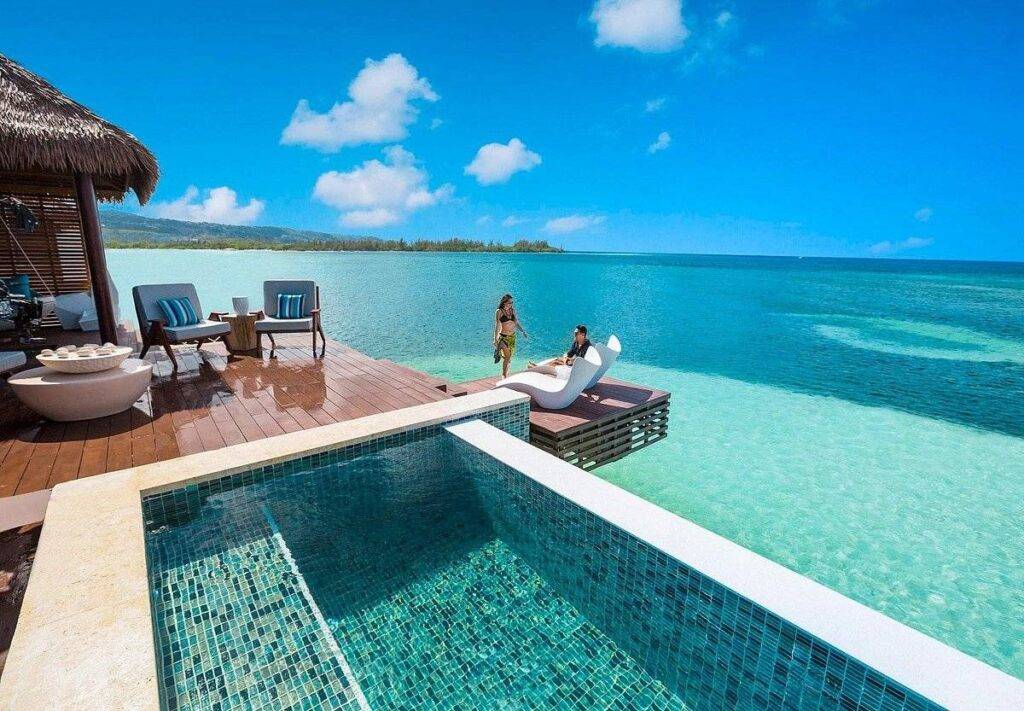
St. George’s, with its colorful markets and colonial architecture, adds cultural richness.
Top Resorts:
- Spice Island Beach Resort
- Silversands Grenada
- Mount Cinnamon Resort & Beach Club
Trinidad & Tobago – Music, Nature, and Storm Safety
These twin islands, located far south near Venezuela, are rarely affected by hurricanes.
Trinidad’s Asa Wright Nature Centre offers rainforest birdwatching, while Tobago’s coral reefs and the Nylon Pool sandbar provide idyllic water experiences.
Visitors can immerse themselves in steel‑drum music, Carnival‑style festivals, and vibrant street food culture.
Top Resorts:
- Hyatt Regency Trinidad
- Magdalena Grand Beach & Golf Resort (Tobago)
- Coco Reef Resort & Spa
Real Scenarios: Why Insurance Still Matters
Even in storm‑safe destinations, disruptions can happen.
| Event | Impact on Travelers | Source |
|---|---|---|
| Hurricane Maria (Puerto Rico, 2017) | Tourists evacuated or stranded as resorts collapsed; mass infrastructure failure disrupted vacations. | France24 |
| Medical emergencies in Jamaica | Visitors faced sudden hospitalizations and costly evacuations, highlighting the need for insurance. | U.S. Embassy in Jamaica |
| Hurricane Dorian (Bahamas, 2019) | More than 1,400 flights canceled; tourists stranded as airports and resorts shut down. | CNBC |
Insurance Response – How to Protect Yourself in These Situations
- VisitorsCoverage – Protection When Nature Forces a Change
- Covers prepaid costs, rebooking, and trip interruption during storm evacuations.
- Ekta – Medical Security When the Unexpected Happens
- Provides hospitalization and evacuation coverage for sudden medical emergencies.
- Insubuy – Stability When Flights and Plans Collapse
- Covers meals, hotels, and rebooked flights during mass cancellations.
- Compensair – Extra Relief When Airlines Fail You
- Secures compensation from airlines for delays and cancellations, complementing broader coverage.
FAQ – Storm‑Safe Caribbean Resorts for Confident Travel
Which Caribbean islands are safest during hurricane season?
Aruba, Bonaire, Curaçao, Barbados, Grenada, and Trinidad & Tobago are consistently outside the hurricane belt.
Their southern locations reduce storm risk and provide reliable year‑round travel confidence.
These destinations combine safety with vibrant culture, making them ideal for stress‑free escapes.Why is Aruba considered a storm‑safe luxury destination?
Aruba averages only 15 inches of rain annually, making it one of the driest Caribbean islands.
Its southern position keeps it well outside the hurricane belt, ensuring consistent travel reliability.
Luxury resorts and desert landscapes create a unique blend of safety and adventure.What makes Bonaire a calm choice for divers during storm season?
Bonaire’s marine park offers more than 80 marked dive sites with consistently calm waters.
September through November brings warm seas and fewer divers, enhancing underwater exploration.
Its southern location minimizes hurricane disruptions, supporting uninterrupted diving experiences.How does Curaçao combine cultural depth with storm safety?
Curaçao’s southern geography shields it from most hurricanes, ensuring dependable travel.
Willemstad’s UNESCO‑listed pastel streets provide cultural immersion alongside coastal adventures.
Seasonal festivals in September and October add Afro‑Caribbean vibrancy without storm anxiety.Is Barbados truly safe from hurricanes?
Barbados rarely suffers direct hurricane hits due to its eastern edge positioning.
Visitors enjoy rum heritage tours, cave explorations, and calm snorkeling bays with minimal storm risk.
Its resilience makes it a reliable destination for travelers seeking cultural richness and safety.Why is Grenada called the Spice Island and considered storm‑safe?
Grenada’s southern location reduces hurricane frequency compared to northern Caribbean islands.
Visitors explore spice plantations, waterfalls, and underwater sculpture parks without storm disruption.
Its cultural markets and colonial architecture add depth to a safe travel experience.How do Trinidad & Tobago maintain storm safety for travelers?
These twin islands lie far south near Venezuela, rarely impacted by hurricanes.
Trinidad offers rainforest birdwatching, while Tobago provides coral reef adventures and calm sandbars.
Music festivals and vibrant street food culture thrive without storm interruptions.Do I still need travel insurance if visiting storm‑safe islands?
Yes, insurance remains essential even in storm‑safe destinations.
Unexpected events like medical emergencies or airline disruptions can still affect travel.
Providers such as VisitorsCoverage, Ekta, Insubuy, and Compensair support travelers with coverage for cancellations, evacuations, and delays.What real scenarios show why insurance matters during Caribbean travel?
Hurricane Maria in Puerto Rico stranded tourists despite resort protections.
Medical emergencies in Jamaica highlighted costly evacuations without coverage.
Hurricane Dorian in the Bahamas canceled over 1,400 flights, proving insurance safeguards are vital.How can travelers maximize peace of mind when booking Caribbean resorts?
Choose destinations outside the hurricane belt for reduced storm risk.
Book resorts with strong reputations for safety and cultural experiences.
Secure comprehensive travel insurance to support confidence during unexpected disruptions.