


Don’t Let One Problem Ruin Your Vacation
A few seconds now protects the trip you’ve already invested so much into.
Short Excerpt
- October can deliver lower Caribbean resort rates and fewer crowds, but it also falls within one of the Atlantic hurricane season’s most active periods.
- Canceling is not automatically the right response; destination, forecast timing, booking flexibility, traveler needs, and financial exposure should shape the decision.
- When the risk feels too high, changing islands, shifting dates, or restructuring reservations can preserve the vacation without accepting the original itinerary’s full exposure.
Quick Take
- Canceling becomes more reasonable when you combine peak-season timing, a higher-risk island, vulnerable travelers, rigid reservations, and little financial protection.
- Keeping the trip can make sense when you are headed to a lower-risk island such as Aruba, Bonaire, or Curaçao and can tolerate itinerary changes.
- A third option is to pivot by changing destinations, moving the trip to late November or early December, or replacing nonrefundable bookings with flexible ones.
- Monitor the forecast closely during the final 5 to 7 days and establish a personal decision deadline before airline and resort options become limited.
- Travel protection can help with eligible cancellations, interruptions, medical emergencies, delays, and additional expenses, but coverage depends on the specific policy and trigger.
How To Decide Whether an October Hurricane Threat Means Cancel, Keep, or Change Your Caribbean Trip
October in the Caribbean feels tempting—low prices, quiet beaches, and postcard views.
But beneath the calm lies peak hurricane season, where storms can cancel flights, evacuate resorts, and derail your plans.
Even islands untouched by direct hits suffer ripple effects: itinerary chaos, unexpected costs, and safety concerns.
That’s why October travel demands more than optimism—it requires insurance, flexibility, and a clear storm strategy.
This guide gives you the risks, rewards, and smart pivots to protect your investment and keep your vacation stress-free.
If you’re booked for October or considering it, this is your essential briefing.
Expose the Hidden Storm Risks That Can Wreck Your Caribbean Escape
When travelers hear “hurricane season,” many imagine constant storms, but the reality is more nuanced.
The Caribbean is vast, and storm activity varies by island, month, and even week.
For example, a family booked in Jamaica in late September faces a very different risk profile than a couple heading to Aruba in early June.
Understanding these distinctions is critical: storms may never materialize, but the probability of disruption rises sharply in peak months.

Paradise Is Calling Your Name
Explore Sandals & Beaches deals
Beyond weather, risks include canceled flights, resort evacuations, and unexpected costs.
By breaking down storm likelihood, operational impacts, resort safeguards, and financial exposure, you’ll see how hurricane season could affect your trip and whether those risks are acceptable for you.
- Storm probability: September–October is peak activity, but southern Caribbean islands face lower direct risk.
- Operational impacts: Flights may cancel, resorts may shelter in place or evacuate, and excursions may be rescheduled.
- Resort safeguards: Properties follow strict emergency protocols and coordinate with local agencies.
- Financial exposure: Without insurance, you risk losing prepaid nights or paying unexpected costs.
Best for you if: You want to weigh the real risks before committing to travel.
Recognize Red Flags Before Hurricane Season Turns Your Trip Upside Down
Canceling isn’t always necessary, but there are clear scenarios where it’s the smarter move.
Think of a couple traveling with an infant, booked at a nonrefundable resort in the Bahamas during late September.
Their flexibility is low, their exposure is high, and their ability to adapt is limited.
In these cases, canceling or rescheduling is the safer choice.
Similarly, travelers with medical needs or those who cannot afford to lose prepaid costs should view hurricane season as a high‑risk gamble.
The bullets below highlight the most common “red flag” conditions — from high‑risk islands to vulnerable travelers — that make canceling the safer choice.
- High‑risk timing and location: Booked in Bahamas, Jamaica, or Puerto Rico during peak weeks.
- Low flexibility: No ability to change flights or dates without major consequences.
- Vulnerable travelers: Infants, elderly, or those with medical needs.
- No safety net: Prepaid nonrefundable package without insurance.
Choose this path if: You cannot absorb disruption or risk financial loss.

Secure the Rewards of October Travel Without Hurricane Regrets
For some travelers, hurricane season is an opportunity rather than a deterrent.
Imagine a flexible couple booking Aruba in early June: their risk is lower, their costs are reduced, and their insurance provides a safety net.
These travelers can enjoy quieter resorts, lush landscapes, and significant savings.
Escape the Chaos. Upgrade to Paradise.
See today’s exclusive offers

The key is preparation: knowing which islands face lower risk, layering protection with insurance, and adopting an adaptive mindset.
The bullets below show the “green light” conditions where keeping your trip is rational.
- Lower‑risk islands: Aruba, Curaçao, Bonaire.
- Value focus: Lower prices and fewer crowds.
- Layered protection: Insurance covering cancellations, delays, and medical needs.
- Adaptive mindset: Willingness to adjust activities and itineraries.
Best for you if: You’re flexible, insured, and comfortable with adjustments.
Arm Your Vacation with Insurance Against October’s Hurricane Chaos
Insurance is the pivot point between canceling and keeping your trip.
Without it, you’re exposed to losing prepaid nights, flights, and excursions.
With it, you gain reimbursement for cancellations, coverage for medical emergencies, and compensation for delays.
Consider a family rerouted mid‑trip due to a storm: their resort may offer credits, but insurance ensures they don’t lose prepaid nights or medical access.
The providers below are explained through real storm scenarios so you can see exactly how each one helps.
VisitorsCoverage — Reimbursement for Prepaid Resort Nights
If your resort is evacuated mid‑stay due to a hurricane warning, VisitorsCoverage ensures you don’t lose the money you’ve already paid.
Resorts may offer credits, but they rarely reimburse prepaid nights or third‑party excursions.
VisitorsCoverage fills that gap by reimbursing unused nights, deposits, and prepaid tours.
- Best for you if: You’ve prepaid a package or multiple nonrefundable components and want guaranteed reimbursement if storms cut your trip short.
Find the Escape You’ve Been Craving.
Reveal limited‑time Caribbean deals
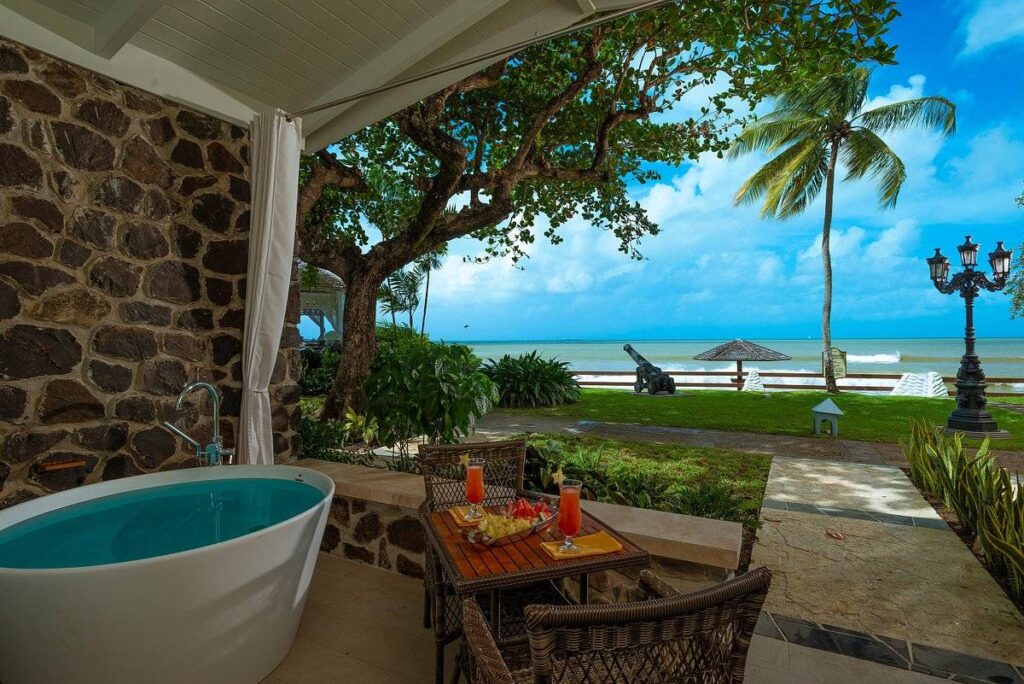
Ekta — Medical Coverage During Storm Disruptions
If you or a family member fall ill during a storm relocation, Ekta covers hospital treatment, prescriptions, and emergency evacuation.
Resorts can shelter you, but they can’t guarantee medical access when local systems are strained.
- Choose this when: You’re traveling with children, seniors, or anyone with health conditions that require reliable care.
Insubuy — Extra Support for Flight Cancellations
If your return flight is canceled due to a storm, Insubuy reimburses extra hotel nights, meals, and rebooking fees.
Airlines may rebook you, but they rarely cover incidental costs.
- Ideal for travelers who: Route through storm‑prone hubs like Miami or San Juan and want to avoid paying out of pocket during delays.
Compensair — Post‑Event Airline Compensation
If your flight is canceled or delayed beyond legal thresholds, Compensair pursues cash compensation from airlines.
This is separate from insurance and adds a post‑event payout.
- Use this coverage if: You want to recover additional funds after disruptions, even once your trip is over.

Pivot Smartly: Safer Moves That Keep Your Caribbean Dream Alive
Canceling isn’t binary.
Many travelers pivot instead.
For example, a group of friends may shift their trip from September to early December, preserving their vacation while reducing risk.
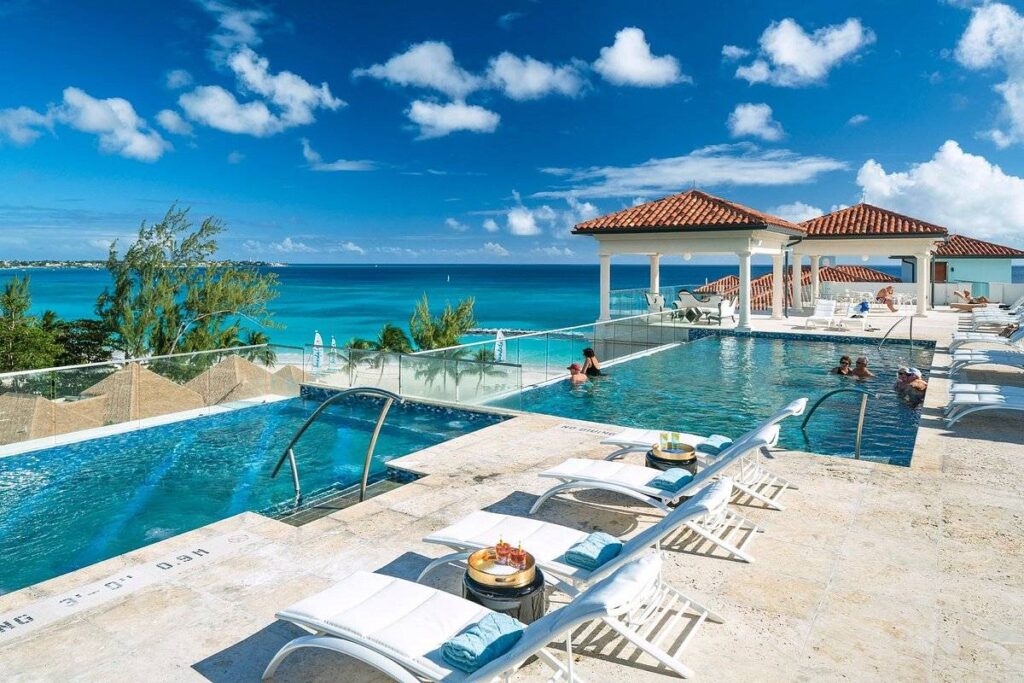
Turn Your Next Getaway into Magic.
Discover your perfect resort match
Others may swap Jamaica for Aruba, or rebook with refundable rooms and flexible airfare.
These strategies preserve your vacation while reducing exposure to storm disruptions.
- Shift dates: Late November or early December for lower risk.
- Change geography: Southern Caribbean, Pacific Mexico, or Mediterranean.
- Reconfigure bookings: Refundable rooms and flexible airfare.
- Use decision windows: Monitor forecasts 5–7 days out and set a personal cutoff.
Best for you if: You want to travel but prefer a lower‑risk setup.
Map Your Best Move: Cancel, Keep, or Pivot Without Guesswork
Sometimes the best way to resolve uncertainty is to map scenarios.
Imagine you’re booked in Puerto Rico in late September without insurance: the decision tree points to “cancel.”
But if you’re heading to Aruba in June with insurance, the tree points to “keep.”
For those who want the Caribbean but less risk, the pivot option provides a middle ground.
- Cancel: Uninsured, vulnerable travelers, peak‑risk islands.
- Keep: Insured, flexible, lower‑risk islands.
- Pivot: Want Caribbean but prefer less risk.
Choose this when: You want a fast, no‑guessing framework.
Stay Calm and Protected When Hurricanes Crash Your Vacation Plans
Even if you go, you need a plan for what to do if a storm develops mid‑trip.
Imagine being in the Dominican Republic when a storm warning is issued: having a communication plan, a waterproof pouch, and backup flights can make the difference between panic and calm.
The bullets below outline the essentials — from communication to packing — that will keep you calm and in control.
- Communication plan: Save resort, airline, and embassy contacts.
- Packing for resilience: Waterproof pouch, meds, power bank, rain jacket.
- Money logistics: Cash buffer and verified cards.
- Activity sequencing: Outdoor excursions early, indoor activities during rain bands.
- Insurance documentation: Policy numbers and receipts ready.
Best for you if: You want to stay calm and proactive during disruptions.
Take Command When October Hurricanes Threaten Your Caribbean Escape
Abstract advice is less useful than concrete examples.
Imagine your outbound flight is canceled due to a storm: do you rebook, salvage, or cancel?
Or picture your resort sheltering in place: how do you secure essentials and document for claims?
These scenarios turn uncertainty into clear action steps.
- Forecast cone includes your island: Confirm resort policy, hold backup flights, set a 72‑hour cutoff.
- Airline cancels outbound flight: Rebook, claim meals/hotel, salvage trip if arrival still viable.
- Resort shelter‑in‑place: Follow instructions, secure essentials, document for claims

FAQ – Should You Cancel Your October Caribbean Trip or Change the Plan?
How do storm risks actually differ between islands like Jamaica, Aruba, and Puerto Rico in October?
Storm exposure varies sharply across the Caribbean.
Jamaica and Puerto Rico sit in higher‑risk corridors during late September and October, which means travelers there face a greater chance of flight cancellations, itinerary changes, or resort evacuations.
Aruba, Curaçao, and Bonaire sit outside the hurricane belt, so disruptions are less common.
Understanding these differences helps you decide whether your destination aligns with your comfort level and flexibility.What signs suggest I should cancel an October trip rather than hope for the best?
Canceling becomes the safer move when multiple risk factors stack together—such as traveling with infants or elderly relatives, staying at a nonrefundable resort in the Bahamas or Jamaica during peak weeks, or having no ability to shift flights or dates.
These conditions reduce your ability to adapt if a storm develops, and they increase the financial and logistical consequences of disruption.Why do flexible travelers often keep their October plans even during hurricane season?
Flexible travelers can absorb changes more easily.
Someone booked in Aruba in early June or Curaçao in October may enjoy lower prices and quieter resorts while still having insurance as a safety net.
Their willingness to adjust excursions, shift plans, or reroute flights makes the season’s unpredictability manageable rather than stressful.How can travel insurance change the decision between canceling and keeping an October trip?
Insurance acts as the dividing line between high exposure and manageable risk.
Without it, you could lose prepaid resort nights, flights, or excursions if a storm forces changes.
With it, you gain reimbursement for unused nights, coverage for medical needs during relocations, and compensation for delays.
This protection often determines whether travelers feel comfortable proceeding.What types of coverage matter most for hurricane‑season travel?
Coverage that addresses real storm scenarios is essential.
VisitorsCoverage helps recover prepaid resort nights if an evacuation cuts your stay short.
Ekta provides medical support when local systems are strained during storm disruptions.
Insubuy covers extra hotel nights and meals when canceled flights leave you stranded.
Compensair helps pursue compensation after major airline delays.
Each one solves a different problem you might face mid‑trip.If my resort evacuates or shelters in place, what should I expect as a guest?
Resorts follow strict emergency protocols and coordinate with local agencies.
You may be relocated, sheltered in place, or offered credits for unused nights.
However, credits rarely cover all prepaid costs, which is why insurance matters.
Knowing the resort’s policy ahead of time helps you prepare for how communication, meals, and safety procedures will work during a storm.What practical steps help me stay calm if a storm develops while I’m already on the island?
Having a plan makes a major difference.
Save resort, airline, and embassy contacts; pack essentials like a waterproof pouch, medications, and a power bank; keep a cash buffer; and schedule outdoor excursions early in the trip.
These small preparations help you stay organized if warnings are issued, especially in places like the Dominican Republic where rapid changes can occur.How do travelers decide whether to cancel, keep, or pivot their October vacation?
A simple decision map helps.
Uninsured travelers heading to peak‑risk islands like Puerto Rico in late September often lean toward canceling. Insured travelers booked in lower‑risk areas like Aruba usually keep their plans.
Those who want the Caribbean but prefer less risk often pivot—shifting dates to late November or early December, choosing southern Caribbean islands, or rebooking refundable rooms and flexible airfare.What are realistic pivot options if I want to reduce hurricane exposure without giving up my vacation?
You can shift your dates to early December, choose southern Caribbean islands such as Aruba or Bonaire, or even look beyond the region to Pacific Mexico or the Mediterranean.
Another option is reconfiguring your bookings with refundable rooms and flexible airfare.
These moves preserve your trip while lowering the chance of major disruption.What should I do if my outbound or return flight is canceled because of a storm?
If your outbound flight is canceled, rebooking quickly helps you salvage the trip if arrival is still viable.
If you’re stuck mid‑trip, airlines may rebook you but rarely cover hotel nights or meals.
Insurance fills that gap by reimbursing extra costs, and documenting everything helps with claims.
Having backup flight options ready makes the situation easier to manage.