
Don’t Let One Problem Ruin Your Vacation
A few seconds now protects the trip you’ve already invested so much into.
Short Excerpt
- Caribbean resorts generally prepare for hurricanes with structured storm procedures, but the bigger vacation risk is often disruption rather than personal safety.
- Southern destinations such as Aruba, Bonaire, Curaçao, and Trinidad and Tobago historically face fewer direct hurricane impacts than much of the northern Caribbean.
- Resort refund policies can leave important gaps, making flexible rates and suitable travel protection especially valuable from June through November.
Quick Take
- Resorts typically monitor official forecasts, secure exposed areas, adjust services, prepare protected spaces, and coordinate with local authorities as storms approach.
- Full cash refunds are most common when a property closes before arrival, while mid-stay evacuations may result in unused-night refunds or future credits.
- Canceled excursions, rough seas, limited amenities, and rainy weather rarely guarantee a resort refund when the property remains operational.
- Choosing a southern island can lower direct-hit risk, but connecting airports and airline networks can still disrupt an otherwise unaffected resort vacation.
- Travel protection can address eligible cancellation, interruption, delays, medical emergencies, evacuation, and prepaid expenses that a resort policy may leave uncovered.
- Flexible resort rates, simple flight itineraries, early insurance purchases, and clear documentation create a stronger hurricane-season backup plan.
Why Hurricane-Season Resort Travel Is Often More About Disruption Than Danger
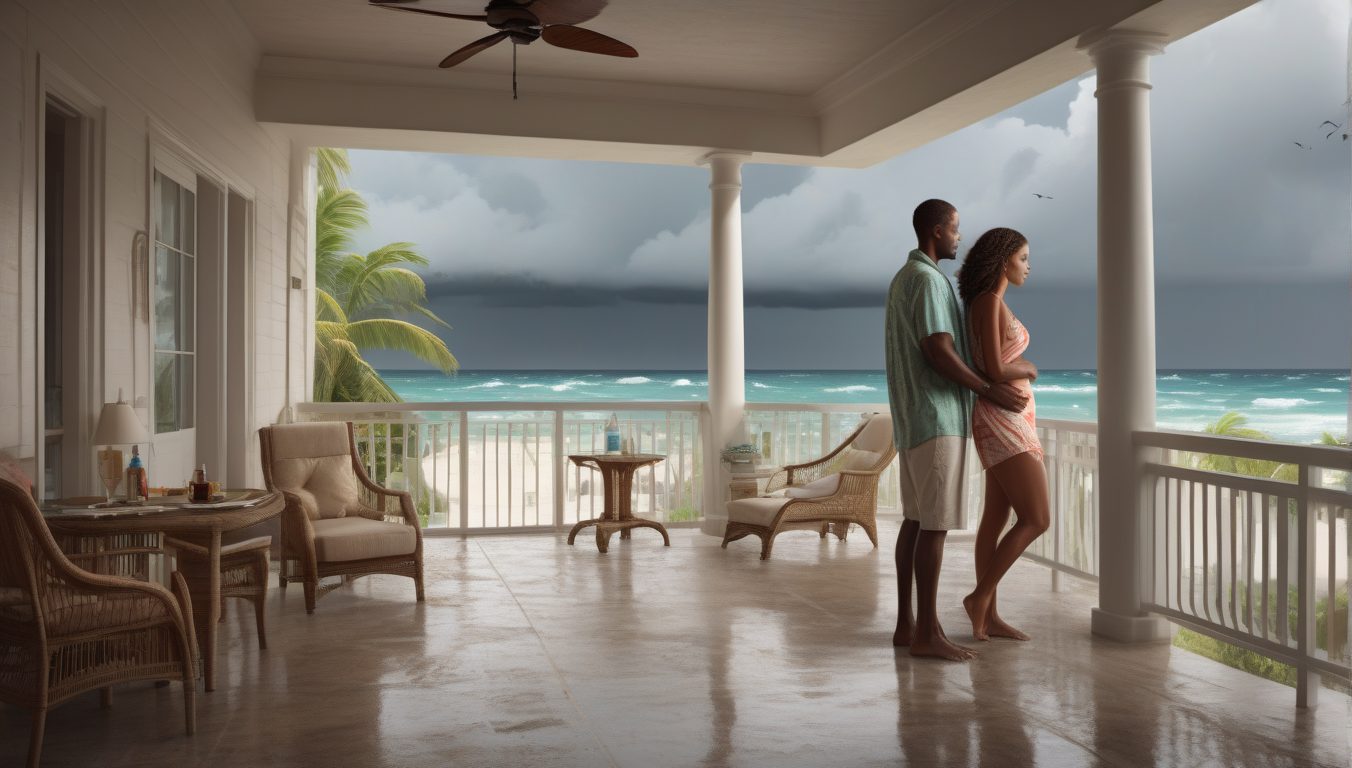
Hurricane season in the Caribbean runs from June through November, but that does not make resort travel unsafe.
Safety is rarely the issue—disruption is.
Storms can reshape itineraries and refund expectations even when your resort stays open.
For resort travelers, that timing naturally raises a big question: are Caribbean resorts safe during hurricane season?
The honest answer is yes in most cases, but with a few important qualifiers.
Safety is rarely the problem.
Disruption is.
Most modern resorts are made to handle tropical weather, staff are trained for storm procedures, and islands have long-running emergency playbooks.
What changes in hurricane season is the reliability of your itinerary and the refund reality if weather forces changes.
That is why destination choice, flexibility, and travel insurance matter more from June through November than they do in winter.
Here’s what safety really looks like, which islands are statistically safer, and how to protect your investment before you book.
What Hurricane Season Really Means for Caribbean Resort Travelers
Hurricanes form in warm Atlantic waters and are steered by predictable wind and ocean patterns.
The season officially spans June through November, but activity is not evenly distributed across those months.
Storm formation ramps up in late July, peaks from mid-August through early October, and September is typically the most active month.
That timing matters because it helps you calibrate your risk instead of guessing.
A vacation in early June usually carries a different risk profile than one in late September.
Another key reality is warning time.
Most hurricanes give multiple days of advance notice, and islands begin official preparation well before a storm is on top of them.

Paradise Is Calling Your Name
Explore Sandals & Beaches deals
Resorts are not caught off guard in the way travelers sometimes imagine.
They operate in this environment every year, and their systems are built around early alerts, property prep, and guest coordination.
Direct hits on any one island during your specific week are statistically uncommon.
But storm-related disruptions are common in the region during these months, even when the storm never makes landfall where you are staying.
Flights slow down, ports close, excursions pause, and island infrastructure can take time to stabilize after nearby impacts.
Safer Caribbean Resorts During Hurricane Season—and Why They Matter
This is where geography does most of the work.
The Caribbean “hurricane belt” runs through the central and northern islands, where storms most frequently track before curving north.
Islands farther south and closer to South America are below that main corridor and see far fewer direct strikes.
If reliability is your priority, the safest statistical resort picks include:
Aruba, Bonaire, and Curaçao.
These Dutch Caribbean islands sit well south of the usual storm path and have a long history of avoiding major hurricane impacts.
For resort travelers, that means fewer shut-down days, steadier flight operations, and a much higher chance that your stay runs normally even in September.
Trinidad and Tobago.
These islands are also very far south.
Storms can still pass nearby, but direct hurricane strikes are rare compared to the northern chain.
Resorts here tend to operate uninterrupted through peak months.
Barbados.
Barbados is a borderline zone.
It is not as protected as the ABC islands, but it has historically experienced fewer direct hits than the northern arc and has resilient infrastructure and storm procedures.
Resort travelers still benefit from lower disruption odds here compared with places farther north.
Escape the Chaos. Upgrade to Paradise.
See today’s exclusive offers
Higher-risk zones include the Bahamas, Jamaica, Puerto Rico, the Dominican Republic, the U.S. Virgin Islands, and eastern Mexico.
These destinations can still be great during hurricane season, but the probability of a tropical system affecting flights or resort operations is higher.
If you choose these areas in peak months, the importance of flexible bookings and strong insurance rises sharply.
How Resorts Respond When Hurricanes Hit—and What That Means for You
Caribbean resorts take storms seriously because their business depends on safety.
When a tropical system develops, resorts typically move into a structured protocol that looks something like this:
They monitor official storm tracks and communicate with guests early.
They secure beachfront areas, outdoor furniture, and any exposed infrastructure before winds arrive.
They adjust schedules for dining, entertainment, pools, and water sports based on conditions.
They prepare on-site shelters or internal relocation plans if conditions worsen.
They coordinate with local authorities for evacuation if required.
This is why personal safety inside a resort environment is usually high during hurricane season.
You are surrounded by staff who know what to do, buildings made for high winds, and response systems that have been practiced year after year.
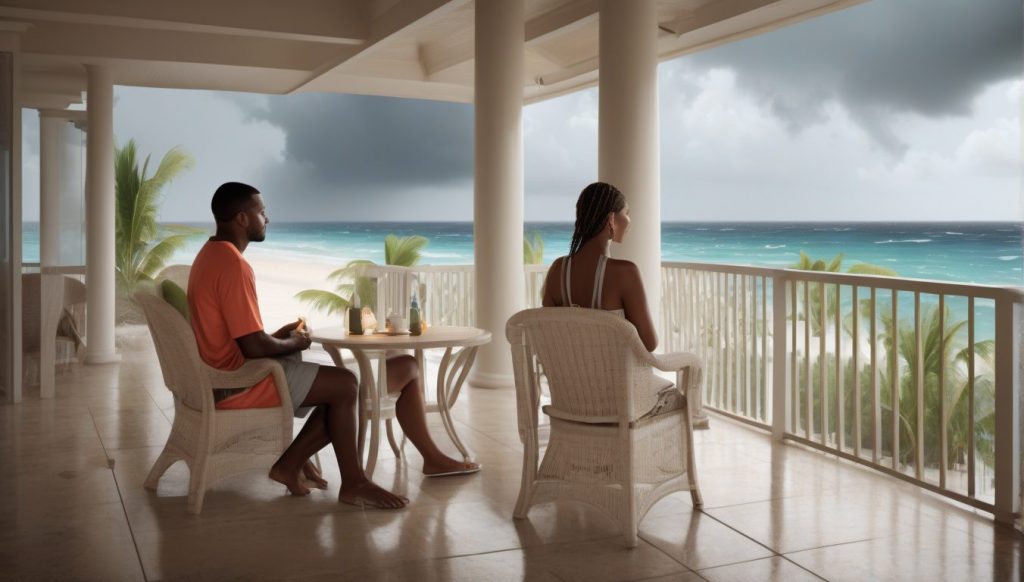
The more realistic traveler concern is not “will the resort collapse?”
It is “will my vacation get interrupted, shortened, or reshaped?”
And that leads straight to refund reality.
The Refund Reality: What Resorts Actually Cover—and What They Won’t

Most resorts include force majeure or “act of God” clauses in their booking terms.
That language protects the resort from being financially responsible for weather events.
So while staff may be excellent at keeping guests safe, they are rarely required to refund you just because the weather was bad.
Here is what most Caribbean resort refund policies typically look like in practice.
Full refunds are most common only if the resort closes before arrival.
If a hurricane warning leads the resort to shut down entirely before your check-in date, many properties will refund unused nights or allow penalty-free cancellation.
This is the cleanest refund scenario.
Find the Escape You’ve Been Craving.
Reveal limited‑time Caribbean deals
If you evacuate mid-stay, you usually get partial reimbursement or future credits.
Some resorts refund unused nights directly.
Many offer credits for a future stay instead of cash, often with booking windows or blackout periods.
Canceled amenities rarely trigger refunds.
If the resort stays open but cancels excursions, spas, entertainment, or water sports, that is usually treated as a weather adjustment, not a refund right.
You might receive small goodwill credits, but that is discretionary.
Weather discomfort is not refundable.
High winds, rainy days, rough seas, or even short power issues rarely earn full or partial refunds if the property remains operational.
Voluntary cancellations follow the standard policy.
If you cancel because you feel uneasy but there is no official hurricane trigger and the resort is open, your normal cancellation rules apply.
If you booked a non-refundable deal rate, that often means no cash comes back.
This mismatch is why travelers feel stuck during hurricane season.
Your instincts might tell you to cancel early, but refunds often require a storm to be officially close enough to meet strict resort criteria.
Why Travel Insurance Is Your Lifeline in Hurricane Season
Travel insurance is what bridges the gap between resort contracts and traveler expectations.
It covers costs that most resorts are not obligated to return.
A strong hurricane-season policy can help with:
Trip cancellation if a hurricane warning is issued for your destination, your resort closes before arrival, or your flights become unusable due to storm fallout.
Trip interruption if your stay is cut short by evacuation orders, unsafe conditions, or confirmed property damage.
Delays and missed connections when storms shut down hubs you fly through.
Emergency medical care and evacuation if you are injured or need transport during a storm disruption.
Losses on prepaid excursions if conditions force cancellations and vendors don’t refund.
Turn Your Next Getaway into Magic.
Discover your perfect resort match
And for travelers who want maximum emotional flexibility, some policies offer Cancel for Any Reason upgrades, allowing cancellation even if your reason is personal rather than “covered.”
Those upgrades must be purchased soon after your first trip payment and reimburse only a portion of non-refundable costs, but they are valuable if storm anxiety or itinerary fragility is high.
How Planning Partners Protect Your Resort Trip During Hurricane Season
VisitorsCoverage: Flexible Protection and Easy Comparison
VisitorsCoverage lets you compare multiple insurers and policy types in one place.
That matters because hurricane triggers, cancellation windows, and reimbursement limits vary by underwriter.
For resort travelers, VisitorsCoverage is especially useful when you want:
Trip cancellation and interruption that clearly includes hurricane warnings and resort closures.
Emergency medical and evacuation coverage sized to your destination.
Optional CFAR upgrades for maximum flexibility, if the plan offers it and you buy within the time-sensitive window.
Real-time travel safety resources.
It is a clean way to shop confidently instead of guessing which policy handles hurricanes best.
World Nomads: Strong Coverage for Active Resort Trips
World Nomads is a solid choice for resort travelers who are also booking excursions and active experiences.
Their policies typically include trip cancellation and interruption for covered reasons, emergency medical care, and activity protection for things like snorkeling, hiking, and cultural tours.
CFAR is available for many U.S. residents on select plans, but it is not universal across every residence or product, so travelers should confirm availability at checkout.
If your resort trip includes adventure add-ons, World Nomads can be a well-rounded fit.
Compensair: A Flight Backup When Weather Breaks the Chain
Compensair is not insurance, but it complements your policy brilliantly during hurricane season.
If a storm causes major flight delays or cancellations on eligible routes, Compensair can help you pursue airline compensation under passenger-rights rules.
That means you may recover money from the airline in addition to whatever your travel policy pays.
For resort travelers whose biggest risk is getting stranded in a connecting airport, it is a smart extra layer to know about.
Ekta: Affordable Core Coverage Without CFAR
Ekta offers budget-friendly travel insurance that can include trip cancellation for covered reasons, interruption, emergency medical care, and evacuation.
It is a dependable low-cost option for hurricane-season resort travel when your goal is strong core protection without paying premium prices.
Ekta does not offer CFAR upgrades, so it is not the right fit if your main priority is “cancel for any reason” flexibility.
But for standard storm-season safeguards on a tighter budget, it can be a very practical choice.
Insubuy: Aggregated Hurricane-Ready Resort Options
Insubuy is another comparison hub that aggregates plans from major insurers, many with hurricane language and CFAR options.
It is particularly useful for:
Families booking multiple rooms.
Group resort trips where coverage needs to align across travelers.
If you want to quickly filter for hurricane protections and optional flexibility upgrades, Insubuy makes that process simpler and less error-prone.
Real Hurricane Scenarios—and How Insurance Saves Your Vacation
Resort closure before arrival.
A hurricane warning is issued two days before check-in.
The resort shuts down.
Even if the resort refunds room costs, your policy can also cover flights, transfers, and prepaid add-ons.
Evacuation mid-stay.
You are in St. Lucia when a Category 2 storm approaches and authorities mandate evacuation.
A resort may only credit unused nights, but trip interruption coverage can reimburse remaining trip value plus emergency transport and extra lodging.
Flight delay to a safe island.
Your destination is Aruba, but a storm in Miami cancels your connecting flight.
Insurance covers lodging, meals, and rebooking costs while you wait for the next viable route, and Compensair may help recover eligible airline compensation.
Medical emergency during storm disruption.
You are injured while relocating or sheltering.
Emergency medical and evacuation benefits protect you from major out-of-pocket expenses.
Excursion cancellation.
Your resort cancels a prepaid snorkeling day because seas stay rough.
If the vendor does not refund, your policy may reimburse eligible prepaid activity losses.
Destination wedding disruption.
A hurricane forces a Jamaica resort to close two days before your ceremony.
Cancellation and interruption benefits can cover venue deposits, guest rooms, and prepaid travel segments that the resort’s own policy may not refund in cash.
These are the moments when hurricane-season insurance stops being theoretical and becomes the difference between a ruined budget and a manageable pivot.
Smart Moves That Make Hurricane-Season Resort Travel Safer
If you want to travel confidently between June and November, focus on what you can control.
Choose safer geography when reliability matters.
Going south to Aruba, Bonaire, or Curaçao dramatically lowers direct-hit risk.
Keep airfare simple.
Direct flights reduce the chance a storm in a connecting hub collapses your trip.
Book a resort rate you understand.
If flexibility is worth money to you, pay slightly more for refundable or semi-flex rates.
Buy insurance immediately after booking.
Hurricane coverage depends on foreseeability rules, and CFAR has strict purchase windows.
Mentally plan for one flexible day.
Even safe-zone islands get passing rain, and having a backup plan keeps your mood steady.
When you do these things, hurricane season stops feeling like a gamble and starts feeling like a value window.
How to Travel Confidently During Hurricane Season
Caribbean resorts are generally safe during hurricane season in the sense that properties and staff are built to protect guests.
The bigger threat is disruption, not danger.
Storm paths, flight chains, and refund limitations can reshape a trip even when your resort never suffers a direct hit.
That is why smart travelers pair hurricane-season bookings with strong insurance and realistic expectations.
Pick safer southern islands if you want maximum reliability, book flexible rates when your budget allows, and protect your investment through VisitorsCoverage or Insubuy comparisons, adventure-ready coverage through World Nomads if your trip is active, affordable core protection through Ekta, and flight recovery backup through Compensair.
Do that, and hurricane season becomes less about worry and more about enjoying the Caribbean at its best prices, with a plan that can bend without breaking.
FAQ – Hurricane-Season Resort Travel Questions Readers Naturally Ask
How different is the actual safety inside a Caribbean resort during hurricane season compared with the risk of trip disruption?
Safety inside modern Caribbean resorts is generally strong because buildings, staff training, and island emergency systems are designed for tropical weather.
The real vulnerability is disruption—flight delays, excursion cancellations, temporary closures, or itinerary changes that can reshape your trip even when the resort itself remains secure.
Understanding this distinction helps you plan around the true risk rather than the imagined one.Which Caribbean islands offer the most reliable resort experience from June through November?
Southern islands such as Aruba, Bonaire, Curaçao, Trinidad and Tobago, and Barbados sit below the main hurricane corridor and historically see far fewer direct strikes.
Choosing these destinations increases the odds that flights run normally, resort operations stay steady, and your itinerary remains intact during peak storm months.Why does the timing within hurricane season matter so much when choosing travel dates?
Storm activity ramps up in late July, peaks from mid‑August through early October, and September is typically the most active month.
Early June carries a very different risk profile than late September.
Knowing these patterns helps you calibrate expectations, choose dates intentionally, and decide whether flexible bookings or stronger insurance are worth the added cost.How do resorts typically prepare when a tropical system begins forming nearby?
Resorts follow structured protocols: monitoring official storm tracks, communicating early with guests, securing outdoor areas, adjusting dining and activity schedules, preparing internal shelters, and coordinating with local authorities if conditions worsen.
These steps keep guests safe and ensure the property is ready long before winds arrive, which is why physical danger is rarely the main concern.What refund outcomes should travelers realistically expect if a hurricane affects their trip?
Full refunds usually occur only when a resort closes before arrival.
Mid‑stay evacuations often lead to partial refunds or future‑stay credits.
Canceled excursions, spa appointments, or beach activities are typically treated as weather adjustments rather than refund triggers.
Understanding these norms prevents surprises and helps you plan financially for possible interruptions.How does a force majeure clause influence what a resort owes you during severe weather?
Force majeure language protects resorts by stating that weather events fall outside their financial obligations.
This means they are rarely required to refund simply because conditions were unpleasant or amenities were canceled.
Knowing this ahead of time helps you avoid relying on resort refunds as your primary safety net.What travel insurance features matter most for hurricane‑season resort trips?
Trip cancellation and interruption coverage that explicitly includes hurricane warnings, resort closures, and flight disruptions is essential.
Emergency medical and evacuation benefits protect you if injuries or relocation occur during a storm.
These features fill the gaps left by resort policies and ensure you’re not financially exposed when weather reshapes your plans.When is Cancel for Any Reason worth considering for a Caribbean trip?
CFAR is valuable if you want the freedom to cancel for personal reasons or if storm anxiety makes rigid policies stressful.
It reimburses a portion of nonrefundable costs but must be purchased soon after your first trip payment.
Travelers who prioritize emotional flexibility or who are booking during peak storm months often find CFAR worth the added expense.How can flight disruptions affect a hurricane‑season resort stay even when the island itself is safe?
Storms often disrupt major hubs like Miami or San Juan, causing cascading delays or cancellations that affect travelers heading to safer southern islands.
You may need extra lodging, meals, or rebooking support while waiting for a new route.
Insurance can cover these costs, and flight‑compensation services can help recover additional funds when airline rules apply.What planning steps make hurricane‑season resort travel smoother and more predictable?
Choosing southern islands reduces direct‑hit risk, booking direct flights minimizes vulnerability to hub shutdowns, and selecting refundable or semi‑flex rates gives you room to adjust plans.
Buying insurance immediately after booking ensures hurricane triggers are covered, and keeping one flexible day in your itinerary helps you stay relaxed if passing rain or minor disruptions occur.