


Don’t Let One Problem Ruin Your Vacation
A few seconds now protects the trip you’ve already invested so much into.
Short Excerpt
- Caribbean resort refund policies during hurricane season often protect travelers only when the property closes, evacuation becomes mandatory, or another specific policy trigger occurs.
- A disrupted vacation does not automatically mean a cash refund, especially when the resort remains open but pools, excursions, restaurants, or other amenities become unavailable.
- Refundable rates, written hurricane policies, and appropriate travel protection can reduce the financial gaps left by force majeure clauses and restrictive resort terms.
Quick Take
- A full refund is most likely when the resort closes before you arrive, although the exact remedy still depends on the property’s written policy.
- Mandatory evacuation during your stay may lead to refunds for unused nights, but some resorts issue future-stay credits instead of returning cash.
- Closed pools, canceled entertainment, rough seas, temporary power problems, and other storm-related inconveniences usually do not trigger automatic lodging refunds.
- Canceling because you are worried about a developing storm generally falls under the resort’s normal cancellation policy unless a qualifying hurricane trigger has occurred.
- Flight cancellations do not necessarily require an open resort to refund your room, creating an important gap for travelers arriving through disrupted airports.
- Before booking, compare cash-refund rules, future-credit restrictions, force majeure language, hurricane triggers, and protection for expenses outside the resort.
What Caribbean Resorts Actually Refund When a Hurricane Disrupts Your Vacation
Booking a Caribbean resort during hurricane season can feel thrilling—but also risky.
Storms can cancel flights, shut down islands, and force evacuations that derail your plans.
What most travelers miss is that resort refund policies rarely match expectations.
Resorts usually protect their business first, and travel insurance is what protects you.
Here’s how hurricane policies really work on the ground, what resorts typically refund (and what they don’t), and how planning partners like VisitorsCoverage, World Nomads, Compensair, Ekta, and Insubuy can close the gap.
How Resorts Respond When Hurricanes Strike
Resorts prioritize safety and continuity, but they rarely default to full refunds unless they physically cannot host guests.
Most Caribbean resorts operate under “force majeure / act of God” clauses that say weather and natural disasters are outside their control, so services and amenities may change without triggering cash refunds.
In practice, that means a storm can reshape your trip without automatically reshaping your bill.
Typical resort responses include:
They may pause beachfront services, pool access, boating, or excursions as conditions worsen, even if the resort remains open.
They may move guests into safer buildings, shift meal service to limited hours, or consolidate operations until weather clears.
If local authorities issue evacuation orders or airports close, resorts usually help coordinate logistics, but that help does not guarantee a refund.

Paradise Is Calling Your Name
Explore Sandals & Beaches deals
Many properties will offer credits for future travel instead of returning money, especially if you booked a discounted or non-refundable rate.
A small number of resorts advertise “hurricane guarantees” with clear refund promises when watches or warnings hit, but those are exceptions, not the rule.
So the baseline mindset is simple.
Unless the resort is officially closed or you are ordered out, your “refund” is more likely to be a rebooking offer than cash back.

What Resort Refund Policies Actually Cover During Storms
Every resort writes its own policy, but across the Caribbean you’ll see the same pattern repeated.
1. Full Refund If The Resort Closes Before Arrival
If a hurricane forces a resort to close entirely before your check-in date, many properties will refund unused nights or offer a full cancellation without penalty. (The Sands)
This is the clearest scenario for a cash refund.
It is also relatively rare, because many resorts can stay open even during moderate storms.
2. Partial Refund Or Credit For Unused Nights After Evacuation
If you are already on site and authorities mandate evacuation, policies often allow for unused nights to be refunded or converted into a future-stay credit.
Some resorts refund the unused portion directly, but many issue credits with booking windows or blackout rules.
3. No Automatic Refund For Lost Amenities
If the resort stays open but cancels snorkeling trips, shuts down the spa, suspends entertainment, or closes parts of the property, this is usually treated as a weather adjustment, not a refund trigger.
At best, you might get goodwill credits at checkout, but that varies by brand and manager.
4. No Refund For Discomfort Or Power Issues
Storm-related discomfort—rainy days, high winds, seaweed surges, or even short power outages—almost never earns a refund.
Resorts consider that part of traveling in a tropical climate.
5. Voluntary Cancellations Follow The Normal Policy
If you cancel because you are nervous about weather but there is no official storm warning and the resort is open, the standard cancellation policy applies.
If you booked non-refundable rates, that often means no cash comes back.
That one detail is why so many hurricane-season travelers feel stuck.
They want to cancel early, but the system won’t recognize the risk until it is already obvious.
Escape the Chaos. Upgrade to Paradise.
See today’s exclusive offers

The Force Majeure Reality That Can Cost You Money
“Force majeure” sounds like it should protect guests, but legally it mostly protects the seller.
A force majeure clause does not automatically create a right to refunds unless the contract specifically says so.
So when a resort points to “acts of God,” they are usually saying:
“We’ll try to help, but we are not obligated to return your money unless closure or evacuation criteria are met.”
Knowing this upfront keeps you from relying on optimism as your strategy.
Why Travel Insurance Is Your Lifeline in Hurricane Season
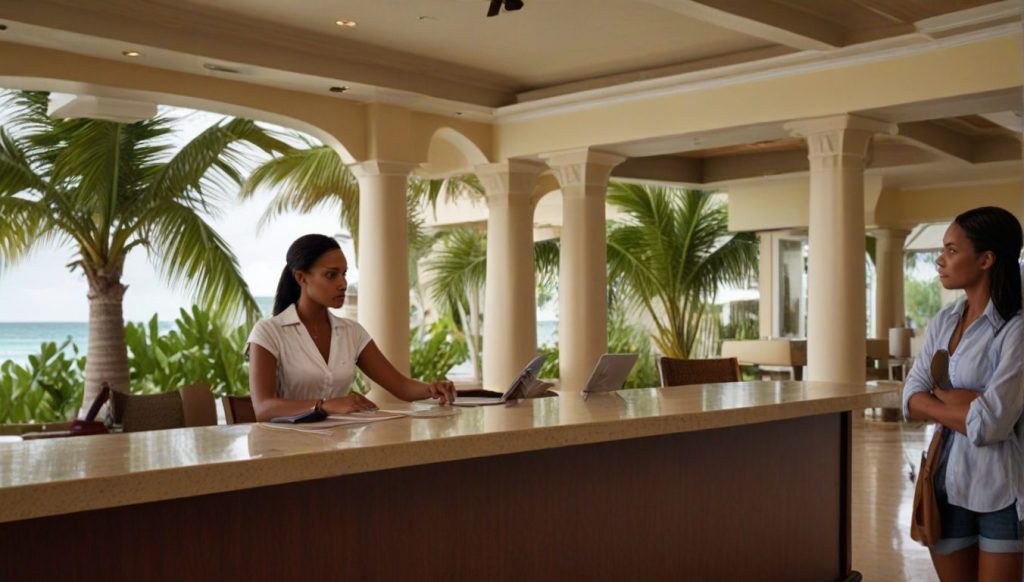
Travel insurance is how you turn a force majeure loophole into real protection.
A strong policy can cover costs that resort contracts intentionally avoid.
Insurance can help with:
Trip cancellation when a hurricane warning is issued for your destination, or your resort closes before you arrive.
Trip interruption if your stay is shortened by evacuation or unsafe conditions.
Extra hotel nights and meals if you are stranded by canceled flights.
Emergency medical care and evacuation if injuries or health issues arise during storm disruptions.
Missed connections and rerouting costs when airports or hubs shut down.
Some travelers also add Cancel for Any Reason coverage for emotional flexibility, but remember that CFAR reimburses only a portion of non-refundable costs and must be purchased early after your first trip payment. (Money)
In other words, resorts protect their liability.
Insurance protects your wallet and schedule.
Find the Escape You’ve Been Craving.
Reveal limited‑time Caribbean deals
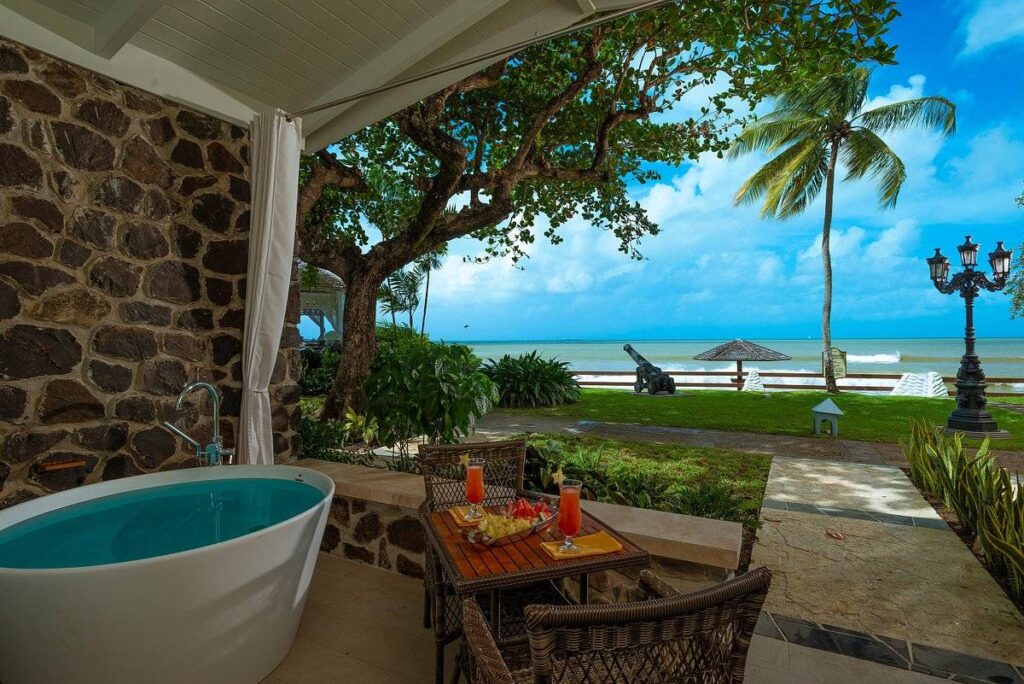
How Planning Partners Protect Your Trip During Hurricane Season
VisitorsCoverage: Side-By-Side Hurricane-Ready Plans
VisitorsCoverage lets you compare plans from multiple insurers in one place, including options with hurricane trip cancellation and interruption language.
That comparison angle matters because hurricane triggers, reimbursement limits, and timelines vary by underwriter.
For resort travelers, VisitorsCoverage is especially helpful when:
You book all-inclusive packages with tight refund windows.
You are traveling in August through October and want storm-specific wording.
You want optional CFAR flexibility layered on top of standard hurricane triggers. (Money)
World Nomads: Solid Core Coverage, CFAR Availability Varies
World Nomads is often a good fit for resort travelers who also book excursions like diving, hiking, or sailing.
Their plans include standard trip cancellation and interruption protections that can apply to hurricane disruptions.
CFAR is not universal across all World Nomads markets or states, and some older plan versions do not offer it, so travelers should verify availability for their residence before counting on it.
If CFAR is available on your plan, it usually must be added within a short window after your first trip payment and requires cancellation at least two days before departure.
Compensair: Airline Compensation When Storms Break Your Flights
Compensair is not travel insurance, but it complements it well.
If a hurricane causes major delays or cancellations on eligible routes, Compensair can help you pursue compensation from the airline under passenger rights rules, potentially adding recovery beyond what the resort or your policy pays.
This matters most when you are flying internationally or through hubs where disruptions cascade.
Ekta: Affordable Hurricane-Season Protection (No CFAR)
Ekta is a solid budget-friendly option for medical, evacuation, delay, and standard trip cancellation coverage during hurricane season.
But Ekta plans do not include CFAR upgrades, so it is a core-coverage pick, not a maximum-flexibility pick.
If your goal is affordable storm protection for a normal resort stay, Ekta can fit well.
If your goal is “I want to be able to cancel for nerves alone,” you’ll need a different plan with explicit CFAR.
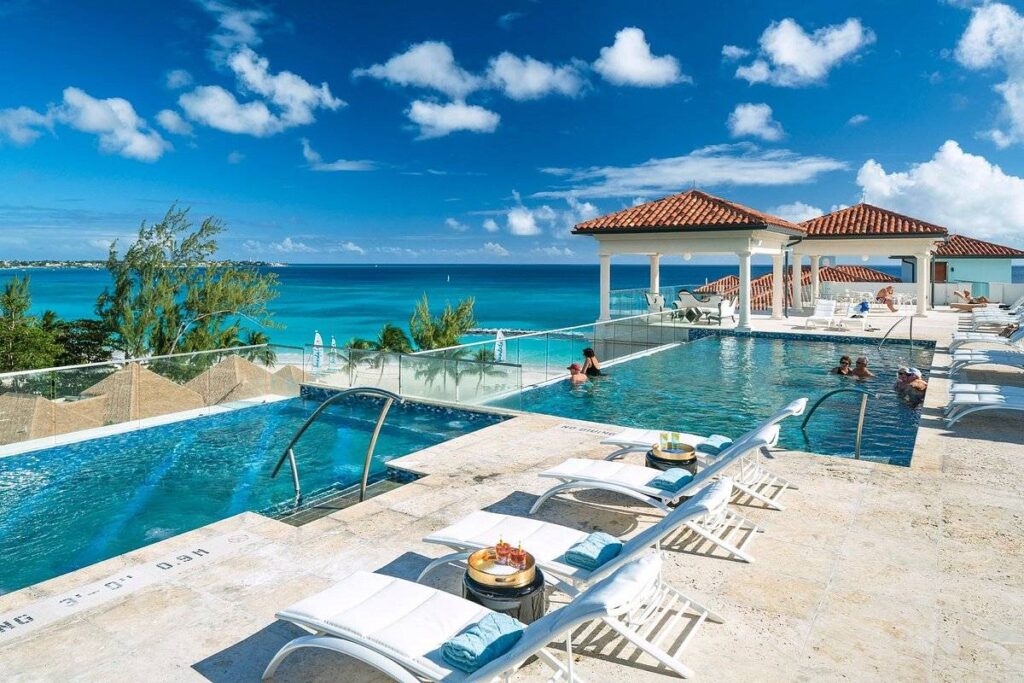
Turn Your Next Getaway into Magic.
Discover your perfect resort match
Insubuy: Aggregated Plans With Hurricane and CFAR Filters
Insubuy makes hurricane-season shopping easier by letting you filter plans from large insurers that often include hurricane language and optional CFAR add-ons.
It is especially useful for:
Families booking multiple rooms.
Wedding groups.
Travelers bundling flights and resorts through third-party sites.
When a storm hits, having one well-matched policy is simpler than trying to coordinate vendor exceptions across separate bookings.
Real Hurricane Scenarios—and How Insurance Saves Your Vacation

Resort Closure Before Arrival
A hurricane warning is issued two days before your trip, and the resort shuts down.
Even if the resort refunds the room, your policy can also cover flights, transfers, and any non-refundable add-ons bundled into the trip. (The Sands)
Evacuation Mid-Stay
You are in St. Lucia when authorities mandate evacuation.
Most resorts will only refund unused nights or issue credits, but trip interruption coverage can reimburse the remaining trip value plus emergency transport and extra lodging.
Flight Delay To Your Resort
A storm in a connecting airport cancels your flight to Aruba.
Your resort may call it a “no-show” unless you negotiate, but delay coverage can pay hotel and meal costs during the disruption, and airline claims support can help recover the flight portion.
Medical Emergency During A Storm
You slip during an evacuation rush and need treatment.
Medical and evacuation benefits cover care and transport that the resort cannot.
Excursion Cancellations
Your resort cancels a prepaid snorkeling tour because seas stay rough for days.
If the resort does not refund the excursion, a policy that covers prepaid activity losses may reimburse it.
Destination Wedding Disruption
You book a resort wedding in Jamaica, and a hurricane closes the property two days before the ceremony.
Resorts may only offer credits or partial concessions, but cancellation and interruption coverage can protect venue deposits, guest rooms, and prepaid travel segments tied to the event.
How to Decode Resort Hurricane Policies Before You Commit
Before paying a deposit, look for these exact details.
Does the policy specify what counts as a covered hurricane trigger, such as an official watch or warning within a set distance.
Does the resort promise cash refunds, or only future credits, and what booking windows apply.
What happens if flights are canceled but the resort is still open, because that is one of the most common gray areas.
Are you booking a refundable rate, a semi-flex rate, or a fully non-refundable “deal” rate, because hurricane outcomes depend heavily on that choice.
If the policy is vague, email the resort and ask.
Getting a written answer about hurricanes is far easier before a storm forms than after one is on your radar.
Smart Moves for Hurricane-Season Travel
During hurricane season, most resorts will not hand out full refunds unless they are forced to close or evacuate.
Everything else is usually treated as weather inconvenience under force majeure clauses.
The smartest way to travel in this season is not to avoid the Caribbean.
It is to book with clear eyes, choose rates you understand, and pair your resort stay with hurricane-aware travel insurance.
That combination is what turns a storm from a financial disaster into a manageable inconvenience.
Meta Title: Caribbean Resort Hurricane Refund Policies Explained
Meta Description: Learn what Caribbean resorts refund during hurricanes, what “force majeure” really means, and how VisitorsCoverage, Insubuy, World Nomads, Ekta, and Compensair protect your trip.
FAQ – Hurricane Season Resort Refunds That Travelers Worry About Most
What actually triggers a full refund when a Caribbean resort faces a hurricane?
A full refund generally happens only when the resort closes before your arrival.
Resorts across the Caribbean often stay open through moderate storms, so closure is the clearest and rarest trigger.
When a shutdown does occur, unused nights are typically refunded, but travelers should still confirm whether the resort also waives penalties for prepaid add‑ons or bundled packages.If I’m already checked in and an evacuation order is issued, what refund should I expect?
Evacuations usually lead to refunds or credits for unused nights.
Many properties prefer issuing future‑stay credits with blackout dates rather than returning cash.
This matters because credits can limit flexibility, especially for travelers who booked discounted or non‑refundable rates.
Keeping written proof of the evacuation helps with both resort negotiations and insurance claims.How do resorts handle canceled amenities like snorkeling, spa treatments, or entertainment during storms?
Lost amenities almost never qualify for refunds.
Resorts treat canceled excursions, closed pools, or suspended entertainment as normal weather adjustments.
Some managers may offer goodwill credits, but these are discretionary.
Travelers who prepaid for activities—such as snorkeling tours or spa packages—often rely on travel insurance to recover those costs when the resort declines reimbursement.Why do force majeure clauses matter so much for hurricane‑season bookings?
Force majeure clauses protect the resort, not the traveler.
They allow the property to modify services during storms without offering refunds unless closure or evacuation criteria are met.
This means disruptions like high winds, seaweed surges, or temporary power issues rarely qualify for compensation.
Understanding this clause helps travelers avoid assuming refunds will be automatic.How does travel insurance fill the gaps left by resort hurricane policies?
Travel insurance covers costs that resort contracts intentionally exclude.
Strong plans can reimburse trip cancellation when a hurricane warning is issued, trip interruption after evacuation, extra hotel nights during flight delays, and emergency medical care during storm‑related incidents.
This coverage becomes essential because resorts typically protect their liability first, leaving travelers responsible for many out‑of‑pocket expenses.What should I know about Cancel for Any Reason (CFAR) coverage for hurricane‑season trips?
CFAR offers flexibility by reimbursing a portion of non‑refundable costs, but it must be purchased shortly after your first trip payment.
Availability varies by insurer and residence, and some providers—like Ekta—do not offer CFAR at all.
Travelers who want the option to cancel for nerves alone need to confirm CFAR eligibility early and understand its reimbursement percentage.If my flight is canceled but the resort stays open, how are refunds handled?
Flight cancellations do not automatically trigger resort refunds.
Many properties treat this scenario as a no‑show unless you negotiate or provide documentation.
Travel insurance can cover extra lodging and meals during delays, and services like Compensair may help recover airline compensation on eligible routes.
This combination is often necessary because the resort’s policy may not recognize flight disruptions as a refund event.Which planning partners help travelers compare hurricane‑ready coverage options?
Several services streamline hurricane‑season protection.
VisitorsCoverage offers side‑by‑side comparisons of plans with hurricane cancellation and interruption triggers.
World Nomads provides strong core coverage for travelers booking excursions, though CFAR availability varies.
Ekta offers budget‑friendly protection without CFAR, while Insubuy helps families and groups filter plans with hurricane and CFAR options.
Compensair complements insurance by assisting with airline compensation after storm‑related delays.What documentation should I gather to support refund or insurance claims after a storm?
Travelers should collect resort communications, evacuation orders, airline cancellation notices, and receipts for extra expenses.
These documents help prove eligibility for refunds or reimbursements, especially when policies distinguish between closures, evacuations, and weather‑related inconveniences.
Keeping written confirmations for any credits or concessions also prevents disputes later.How should wedding or group travelers prepare for hurricane‑season risks?
Group and wedding travelers benefit from comprehensive cancellation and interruption coverage that protects venue deposits, multiple room bookings, and prepaid travel segments.
Platforms like Insubuy simplify selecting policies that cover large parties.
Because resorts may offer only partial concessions or credits when storms disrupt events, having a well‑matched policy ensures smoother coordination across vendors and stronger financial protection.