


Don’t Let One Problem Ruin Your Vacation
A few seconds now protects the trip you’ve already invested so much into.
Short Excerpt
- Caribbean hurricane risk varies significantly by island, with the Bahamas, Puerto Rico, Jamaica, the Dominican Republic, and other northern or central destinations experiencing more historical exposure than many far-southern islands.
- Aruba, Bonaire, Curaçao, Trinidad and Tobago, Barbados, and Grenada can reduce direct-hit risk, but even a lower-risk destination can be affected by disrupted flights, rough seas, or connecting airports.
- Resort policies and travel protection matter alongside geography because a property that remains open may offer rebooking or credits rather than a full cash refund.
Quick Take
- Atlantic hurricane season runs from June 1 through November 30, with August through October historically carrying the greatest storm activity.
- Aruba, Bonaire, and Curaçao provide some of the strongest starting points when reducing hurricane exposure is a major booking priority.
- Higher-risk islands can still work well during hurricane season when resort policies, flights, transfers, and prepaid activities remain flexible.
- Travel protection should be purchased early enough to preserve eligible storm-related benefits and any time-sensitive CFAR options you want.
- Protect the entire itinerary, not only the resort, because storms can disrupt airlines, ferries, excursions, transfers, and connection hubs even when your destination avoids a direct hit.
How To Lower Caribbean Hurricane Risk Without Giving Up the Resort Vacation You Want
For resort vacationers dreaming of warm Caribbean water and sleep-late mornings on a balcony, hurricane season can feel like the one variable you can’t plan around.
From June 1 through November 30, the Atlantic shifts into storm mode. (NOAA)
Flights get rerouted, marinas close, excursions pause, and the word “non-refundable” suddenly feels louder than it did when you clicked “book now.”
The reassuring truth is that hurricane risk is real, but it is also manageable.
When you pair smart destination choice with clear resort expectations and the right travel protection, a June-to-November Caribbean trip can still be calm, beautiful, and worth every dollar.
This guide breaks down the actual risks, the most reliable strategies, and how planning partners like VisitorsCoverage, World Nomads, Ekta, Insubuy, and Compensair protect both your money and your peace of mind.
What Hurricane Season Really Means for Caribbean Resort Travelers
Hurricane season in the Atlantic officially runs June 1 to November 30, with August through October historically producing the highest storm activity. (NOAA)
September is typically the busiest single month because ocean temperatures are at their peak and upper-air patterns still favor storm growth.
Storms usually form off West Africa or in the western Atlantic, then travel west across warm water and often bend north as they approach the Caribbean and Gulf. (NOAA)
For 2025, NOAA’s seasonal outlook (issued May 22, 2025) projected an above-normal year with 13 to 19 named storms, 6 to 10 hurricanes, and 3 to 5 major hurricanes. (NOAA)

Paradise Is Calling Your Name
Explore Sandals & Beaches deals
That range is lower than the “17–25” you may see floating around online, and it is the most current official guidance for this season. (NOAA)
Even in active years, a direct hit on your resort island is uncommon, but disruption can still happen through flight hubs, ferry links, or regional storm swell. (NOAA)
Resorts rarely want to cancel unless they must, so the practical risk for travelers is usually trip interruption or lost value, not constant life-threatening danger.
The real planning goal is simple.
Reduce your odds of a direct impact, and protect yourself from the ripple effects storms can create even when your island stays sunny.
Which Caribbean Islands Face the Highest Hurricane Risk—and How to Choose Safer Spots
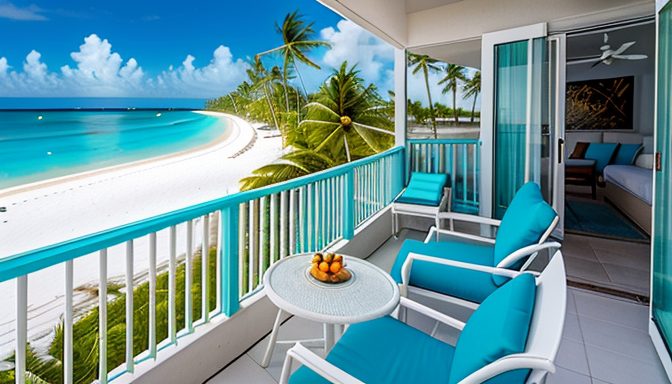
Not all Caribbean islands face the same exposure.
Storm tracks favor the central and northern Caribbean, where many systems pass through on the way toward the Gulf or the U.S. coast. (NOAA)
Higher-Risk Zones
These places sit inside the storm corridor and see more frequent passes over decades of records. (Frommer’s)
- The Bahamas.
- Puerto Rico.
- Jamaica.
- Dominican Republic.
- U.S. Virgin Islands.
- Eastern Mexico (Cancún and the Riviera Maya). (U.S. News Travel)
That doesn’t mean you should never go.
It means you should assume higher odds of itinerary disruption in peak season, and plan accordingly.
Escape the Chaos. Upgrade to Paradise.
See today’s exclusive offers

Lower-Risk Zones
Far-southern islands sit below the typical hurricane latitude or on the edge of the belt, which cuts direct-hit odds sharply. (Frommer’s)
- Aruba.
- Bonaire.
- Curaçao.
- Trinidad and Tobago.
- Barbados.
- Grenada. (Frommer’s)
These are the islands where you can book late summer weeks with much less forecast anxiety, without giving up the Caribbean resort feel you want.
If safer odds are your top priority, this southern list is your strongest baseline strategy.
How Resorts Respond When Hurricanes Hit—and What That Means for Your Trip
Caribbean resorts operate with practical, rehearsed storm protocols.
They monitor National Hurricane Center updates, secure coastal areas early, and communicate to guests before conditions change. (NOAA)
If a significant threat develops, resorts may shift dining and entertainment indoors, pause water activities, and stage staff for guest support.
When a storm is expected to come close, properties coordinate closely with local authorities on evacuations or shelter guidance. (NOAA)
The most important traveler reality is the refund structure.
Most resorts will only issue full cash refunds if the property closes officially.
If they remain open, even under gray or windy conditions, you will often be offered credits, rebooking windows, or partial concessions instead of a full refund.
That is normal for force-majeure clauses across the region. (U.S. News Travel)
So even on safer islands, the “money risk” is still there.
That’s why travel protection belongs in your plan as a normal hurricane-season component, not as a panic purchase.
VisitorsCoverage: Flexible Hurricane-Season Coverage That Protects Your Plans
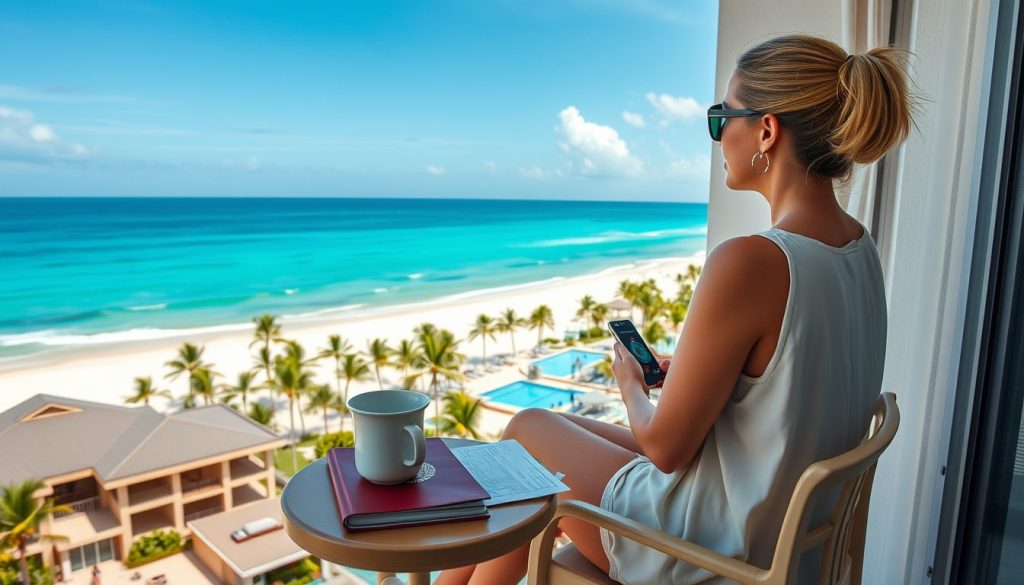
VisitorsCoverage is useful in hurricane season because it lets you compare multiple insurers and policy triggers in one place.
Hurricane language is not identical across plans, so side-by-side viewing helps you avoid rule-guessing. (NOAA)
Key benefits often available through VisitorsCoverage include trip cancellation, trip interruption, emergency medical care, and evacuation protection. (NOAA)
Many plans in their marketplace also offer Cancel For Any Reason upgrades, which matter if you want emotional flexibility as the season ramps up. (NOAA)
CFAR is time-sensitive and usually requires purchase soon after your first trip payment, so it works best when you add it early rather than waiting for a forecast to form. (NOAA)
Find the Escape You’ve Been Craving.
Reveal limited‑time Caribbean deals
Why this matters in a high-risk zone is straightforward.
If a warning causes a resort to close before arrival, covered-reason cancellation reimburses those hotel and package costs.
If a storm pushes you out mid-stay, interruption coverage helps with unused nights and urgent transport.
And if nothing official happens but you decide you don’t want to travel, CFAR offers a partial recovery path that ordinary cancellation rules won’t.
For Jamaica, Puerto Rico, or the Dominican Republic in September, this is the flexibility layer that keeps a “good deal” from becoming a sunk cost.
World Nomads: Hurricane-Season Coverage Built for Active Resort Travelers
World Nomads is built for travelers who aren’t only sitting poolside.
If your resort trip also includes diving, waterfall hikes, cultural tours, or multiple paid activities, this kind of coverage matches the way you travel. (U.S. News Travel)
Standard benefits include trip cancellation and interruption, emergency medical care, and support for a long list of activities. (U.S. News Travel)
In hurricane season, the day-to-day win is excursion protection.
If rough seas cancel a prepaid snorkel day and the operator can’t refund you, eligible activity reimbursement can cover that loss.
If evacuation conditions create an injury or medical need, medical coverage and emergency coordination keep a travel headache from becoming a financial one.
World Nomads pairs especially well with southern islands like Grenada or Barbados, where your vacation value often comes from what you do beyond the resort gates.
If you’re building your trip around experiences, not just the room, this fits naturally.
Compensair: Flight Disruption Support When Hurricanes Break Your Routing
Compensair helps you pursue airline compensation when you’re eligible under passenger-rights rules.
It uses a no-win, no-fee model and focuses on claims under EU261 and similar frameworks.
Here’s the key hurricane-season nuance you should know.
Under EU261, severe weather is often treated as an “extraordinary circumstance,” which can limit compensation paying out.
However, some weather-linked delays can still qualify if the airline’s response or knock-on operational issues are judged avoidable.
So Compensair isn’t a guarantee.
It’s a smart second tool that can recover money when your routing falls under a compensable rule set. (Compensair)
In practice, it pairs well with travel insurance.
Turn Your Next Getaway into Magic.
Discover your perfect resort match
Insurance covers hotels, meals, missed nights, and rebooking needs right away.
Compensair helps you chase whatever the airline owes on top of that when rules allow it.
That dual safety net is valuable in hurricane season because flights are usually the first domino to fall, even if your island stays calm.
Ekta: Affordable Hurricane-Season Protection for Resort Travelers
Ekta is a budget-friendly way to get core protection without overpaying for bells and whistles. (NerdWallet)
Plans generally include covered-reason cancellation, interruption, emergency medical coverage, and evacuation support. (EKTA)
One important clarity point.
Independent reviews note that Ekta does not offer Cancel For Any Reason upgrades on its travel plans, so think of Ekta as a dependable essentials lane rather than a maximum-flexibility lane.
Why travelers still like it in hurricane season is simple.
If a storm forces early departure, interruption benefits can cover unused nights and routing changes.
If an operator cancels a prepaid activity and can’t refund you, eligible loss reimbursement may apply.
And if you face a medical issue while travel conditions are complicated, emergency care and evacuation protection prevent expensive surprises.
Ekta fits well when you’ve already lowered your risk by choosing a safer island and you want solid coverage at a lighter daily cost.
Insubuy: Fast Hurricane-Season Insurance Comparisons for Safer Resort Trips
Insubuy is a U.S.-based aggregator that makes plan-comparison fast, especially for complex trips.
Instead of checking carriers one by one, you can filter by cancellation triggers, medical limits, and storm-related coverage needs in one flow. (NOAA)
This is particularly helpful for group travel.
Families, resort weddings, and multi-room bookings often fall apart financially when coverage terms vary between people.
Insubuy helps you match plans across the group so everyone is protected under the same rules. (Reuters)
If your biggest fear is missing one critical clause because you booked quickly, aggregation is a simple decision advantage.
You reduce the chance of a planning blind spot in a season where blind spots cost money.
Real Hurricane Scenarios—and How Insurance Saves Your Vacation
Resort Closure Before Arrival
A hurricane warning is issued for your destination two days before arrival.
The resort shuts down and airlines start canceling inbound routes.
Covered-reason cancellation reimburses your prepaid resort stay, flights, and transfers. (NOAA)
Evacuation Mid-Stay
You are staying in a central-Caribbean resort when a Category 2 system approaches.
Authorities mandate evacuation for coastal zones.
Interruption coverage helps with unused nights, emergency transport, and additional meals or lodging during the return. (NOAA)
Flight Delay To A Safer Island
Your flight to Aruba is canceled because a storm hits your Florida connection hub.
The island is calm, but your routing collapses overnight.
Delay benefits cover hotels and meals, while Compensair may help if compensation rules apply to your itinerary. (Compensair)
Medical Emergency During Storm Disruption
You slip during a rushed ferry re-route or evacuation transfer.
Emergency medical coverage and evacuation benefits keep treatment and return logistics from turning into a major bill. (EKTA)
Excursion Cancellation
Your resort cancels a sailing or snorkel day due to rough seas.
If the operator cannot refund you, eligible activity reimbursement can recover that prepaid cost. (U.S. News Travel)
Destination Wedding Disruption
A resort wedding in Jamaica is scheduled in late September.
A hurricane forces property closure days before the ceremony.
Group cancellation and interruption benefits can reimburse venue costs, guest stays, and travel losses across multiple bookings. (NOAA)
Emotional Cancellation
You feel uneasy traveling during peak weeks even without an active warning.
If you bought CFAR early, you can cancel for personal reasons and recover a large share of non-refundable costs. (NOAA)
These examples all point to the same traveler truth.
Hurricane season does not require you to avoid the Caribbean.
It requires you to manage the financial risk in advance.
The Safest Hurricane-Season Strategy for Stress-Free Caribbean Resort Travel
If you want a practical, low-stress blueprint, use a three-step plan.
Step one is destination choice.
Favor far-southern islands such as Aruba, Bonaire, Curaçao, Trinidad and Tobago, Barbados, and Grenada because history and positioning keep direct-hit odds lower. (Frommer’s)
Step two is realistic expectations.
Even safe-zone resorts may not issue refunds unless they close officially, so don’t assume geography alone protects your wallet. (U.S. News Travel)
Step three is coverage that matches your risk tolerance.
VisitorsCoverage and Insubuy help you compare hurricane-aware plans and, where available, add CFAR early. (NOAA)
World Nomads fits when activities and excursions are central to your trip value.
Ekta offers a dependable essentials option when you want strong baseline protection at a lighter cost.
Compensair remains a useful flight-rights backstop for qualifying disruptions on eligible routes.
Put that together, and storm season becomes less of a gamble.
It turns into a smart way to enjoy the Caribbean when prices are softer, resorts are quieter, and the experience can feel more personal.
FAQ – How Much Hurricane Risk Should You Accept When Booking a Caribbean Resort?
How does the June‑to‑November hurricane season actually affect a Caribbean resort trip?
Hurricane season shapes how predictable your trip feels.
Storms can reroute flights, pause excursions, or push resorts to adjust operations, even when your island stays safe.
The practical impact is usually disruption rather than danger—missed nights, altered plans, or lost value.
Knowing this helps you plan around the season instead of avoiding it entirely.Which Caribbean islands tend to face the highest storm exposure during peak months?
The Bahamas, Puerto Rico, Jamaica, the Dominican Republic, the U.S. Virgin Islands, and eastern Mexico’s resort corridor around Cancún and the Riviera Maya sit in the main storm pathway.
These destinations experience more frequent passes over long-term records, so travelers often prepare for itinerary changes or stricter refund rules during peak weeks.Where can travelers find lower hurricane risk while still enjoying a classic Caribbean resort experience?
Aruba, Bonaire, Curaçao, Trinidad and Tobago, Barbados, and Grenada sit farther south, below the typical hurricane latitude.
Their positioning sharply reduces direct-hit odds, making them appealing for late-summer and early‑fall trips when travelers want warm weather without constant forecast anxiety.How do resorts typically respond when a storm threat develops near the island?
Resorts follow practiced protocols: they monitor official updates, secure coastal areas, move dining and entertainment indoors, and pause water activities.
If conditions escalate, they coordinate with local authorities on shelter or evacuation guidance.
The key detail is financial—full refunds usually occur only when a resort officially closes, not when conditions simply turn gray or windy.Why do refund policies matter so much during hurricane season?
Refund rules determine how much of your investment you can recover if weather disrupts your stay.
Many resorts offer credits or rebooking options instead of cash refunds unless the property closes.
This means even a safer island still carries “money risk,” making it important to understand your resort’s policies before booking.What types of travel protection help most when visiting higher‑risk islands like Jamaica or Puerto Rico in September?
Covered‑reason trip cancellation, trip interruption, emergency medical care, and evacuation benefits form the core protection.
Cancel For Any Reason upgrades add flexibility when forecasts shift quickly.
These safeguards help recover prepaid resort nights, flights, and excursions if a storm forces closure or evacuation.How do comparison marketplaces such as VisitorsCoverage or Insubuy help travelers during hurricane season?
They let you compare multiple insurers and policy triggers in one place, which is valuable because hurricane language varies across plans.
For group travel—like destination weddings or multi‑room bookings—matching coverage across travelers prevents uneven protection and simplifies claims if a storm disrupts the event.What makes World Nomads a strong fit for travelers planning excursions beyond the resort?
World Nomads supports a wide range of activities, which matters when rough seas or weather conditions cancel prepaid snorkeling, diving, or cultural tours.
Eligible reimbursement helps preserve the value of an experience‑focused trip, especially in southern islands like Grenada or Barbados where excursions are central to the vacation.How do flight disruptions influence the overall hurricane‑season experience?
Flights are often the first domino to fall. A storm affecting a connection hub—such as a Florida airport—can collapse routing even when your island remains calm.
Delay benefits help with hotels and meals, and services like Compensair may assist with compensation claims when passenger‑rights rules apply.
Planning for flight volatility reduces stress when schedules shift suddenly.What’s the simplest strategy for planning a low‑stress Caribbean resort vacation during hurricane season?
Start by choosing lower‑risk islands if flexibility matters.
Then confirm your resort’s closure and refund policies so you know what happens if conditions change.
Finally, select coverage that matches your travel style—CFAR for flexibility, activity‑friendly plans for excursion-heavy trips, or essentials‑focused options like Ekta when you’ve already minimized risk through destination choice.
This three‑step approach keeps the season manageable rather than unpredictable.