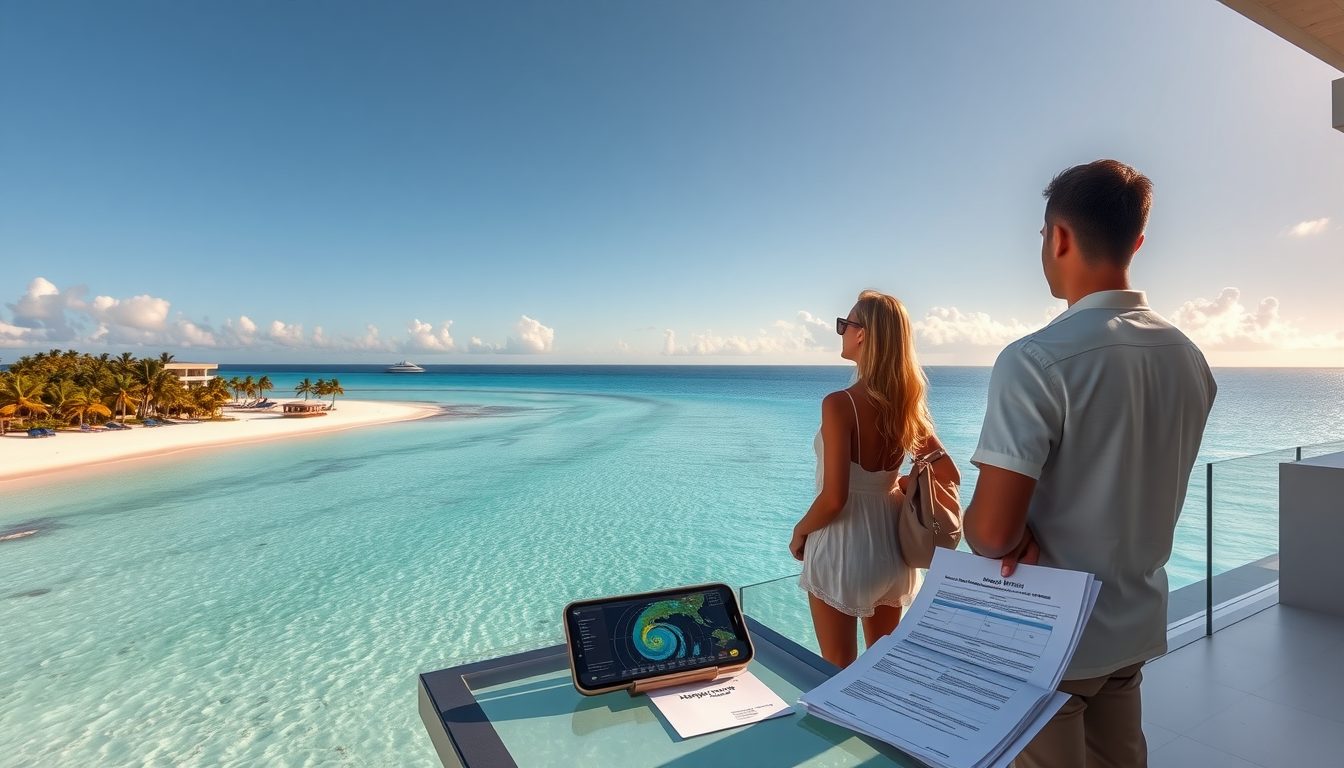

Hurricane season doesn’t have to mean skipping the Caribbean—it just means choosing smarter.
Several islands sit far south of the storm corridor and stay calm even in peak months.
Pair those destinations with resorts built for tropical reality and coverage that protects your investment.
Here’s how to book low-risk Caribbean resorts and keep your summer trip stress-free.
You’ll also see how planning support from VisitorsCoverage, World Nomads, Ekta, Insubuy, and Compensair can protect your costs and your schedule if forecasts shift.
None of these islands are “weather-proof,” but they are the places where named-storm disruptions are far less common than the northern Caribbean.
If you want warm water, great pricing, and lower forecast anxiety, these are the destinations that consistently deliver.
What Really Makes a Caribbean Destination Low-Risk During Hurricane Season
Low-risk Caribbean destinations share a few practical advantages that matter to resort travelers.
First, they sit outside the main Atlantic storm lane, meaning most hurricanes curve north before reaching them.
Second, their summer weather patterns are usually driven by brief tropical showers instead of multi-day systems, so resort life keeps moving.
Third, many of these islands have drier climates and steady trade winds, which reduce the chance of prolonged rain that can derail ocean activities.
Fourth, they tend to have strong infrastructure—airports, roads, and utilities that stay reliable even during rough regional weather.
Finally, resorts in these zones are accustomed to operating through normal tropical variations, so you still get clear communication, consistent services, and easy day-to-day pacing.
For you as a traveler, all of this translates into fewer flight cancellations near your destination, fewer resort shutdowns, and more usable beach and excursion days.
It also means you can book with confidence in August or September—months that make some travelers nervous in the northern islands—without feeling like you’re rolling dice.
The goal isn’t to eliminate risk completely.
The goal is to travel where the odds favor your vacation staying a vacation.
Top Low-Risk Caribbean Destinations for Hurricane Season—and Why They Work
The destinations below are the most reliable picks for hurricane-season resort travel.
They’re either well south of the typical storm arc or positioned so that direct impacts are historically rare.
You’ll still want to watch forecasts and book responsibly, but these islands deliver the most consistent “summer beach week” feel during the season.
Each listing is expanded so you can see how the island behaves in storm months, what resort life feels like, and how to structure your stay for the best comfort, routing, and budget logic.
Aruba
Aruba mornings in summer feel almost identical to Aruba mornings in winter, which is exactly why it’s one of the safest hurricane-season picks.
The island sits far south, outside the main Atlantic storm corridor, and direct impacts are historically rare.
That geography shows up in real life as consistent sunshine, short passing showers instead of full-day rain, and water conditions that stay calmer than most of the Caribbean during peak months.
From a resort perspective, Palm Beach and Eagle Beach properties are built for tropical wind and heat, with elevated designs, heavy-duty materials, and reliable backup infrastructure.
Resort days here are easy to pace: beach early, pool mid-day, then a calm sunset stroll once the trade winds soften the heat.
If you want to explore beyond the resort, Aruba is perfect for short loops to Oranjestad, Alto Vista, or Arikok National Park, and those drives rarely get derailed by weather.
Planning a few paid activities in town can be smarter through GetYourGuide, because mobile tickets and clear cancellation windows let you move a tour earlier in the week if you see a brief shower day coming.
That saves time on rebooking and keeps your schedule light rather than fixed.
If you prefer independent beach-hopping, reserving an e-bike or scooter through BikesBooking.com gives you a flexible way to link coves in cooler morning hours without the cost and delay of taxis.
That route freedom helps you chase the best water conditions and the best photo light on your own rhythm.
Address: —
Cost: Varies by resort and season; Aruba typically prices mid-to-upper Caribbean.
Hours: Year-round resort operations; summer is usually steady with brief showers.
Website: —
Bonaire
Bonaire is quiet, dry, and almost always usable in hurricane season, which makes it a favorite for travelers who want relaxed predictability.
Its far-southern location keeps it out of the strongest storm paths, so named-storm interruptions are uncommon.
What you feel instead are normal coastal trade-wind patterns and short, cooling showers that don’t take over the day.
Resorts and dive lodges here are designed around steady ocean access, with protected shore entries and reliable daytime visibility even in late summer.
If your resort stay is centered on diving or snorkeling, Bonaire is one of the few islands where you can pre-plan multiple water days in September without constant forecast checking.
The best rhythm is early-morning water time, a shaded lunch break, then another short ocean window in late afternoon when light turns soft.
Because so many travelers here book excursions, using GetYourGuide for dive trips or nature tours can keep your plan nimble if a swell day appears, since rescheduling is usually simple inside one platform.
That also helps avoid separate refund rules across small operators.
For exploring between resort and marine parks, a reserved scooter or e-bike through BikesBooking.com keeps your routing smooth and budget friendly, especially if you want to hop between beaches without parking stress.
It’s a comfort win for couples and families who want to move at their own pace in the heat.
Address: —
Cost: Varies; Bonaire often offers strong value compared to larger resort islands.
Hours: Year-round resort operations; summer tends to stay stable.
Website: —
Curaçao
Curaçao combines southern-Caribbean calm with excellent infrastructure, which is why it stays dependable even during peak hurricane months.
Like Aruba and Bonaire, it sits below the main storm highway, so direct hurricane impacts are rare.
Instead of week-long disruptions, you typically get bright days with short rain bursts that pass quickly and leave the coastline comfortable.
Resorts on the leeward side benefit from sheltered bays that stay swimmable when the wider Atlantic is unsettled.
Willemstad’s cultural energy also gives you easy plan-B options, so even a rainy afternoon doesn’t feel like a lost day.
A smart way to structure a Curaçao resort week is to anchor with two or three beach-only days, then sprinkle in half-day city or west-coast coves in the clearer forecast windows.
Booking those half-day experiences through GetYourGuide can save real time because timed tickets and mobile confirmations reduce line and logistics friction.
When the island is busy, that means more time actually enjoying a site instead of waiting at a kiosk.
For independent beach-hopping, BikesBooking.com e-bike reservations are especially useful here, since short loops between bays let you avoid backtracking and enjoy morning shade.
That routing freedom pairs perfectly with Curaçao’s consistent summer light.
Address: —
Cost: Varies; Curaçao resorts usually sit mid-range with strong shoulder-season deals.
Hours: Year-round resort operations; summer weather is typically steady.
Website: —
Barbados
Barbados sits closer to the belt than the southern ABC islands, but it’s on a quieter edge where direct hits are relatively uncommon.
For resort travelers, that means storm season here is usually bright and breezy, with passing showers that cool the afternoons rather than shutting down your week.
The island’s infrastructure is strong, and resorts are organized about weather monitoring, so communication stays clear when regional systems form.
Many coastal properties are reinforced and elevated, and they’ve been running summer operations successfully for decades.
You can comfortably book Barbados in late summer if you plan a balanced schedule with both ocean and inland options.
A strong pacing approach is to put catamaran or snorkel days early in the week, then reserve caves, distilleries, or garden visits for later, since those inland experiences stay viable even if seas get rough.
Using GetYourGuide for those inland tours makes the pivot easy, because you can swap a sea excursion for a land activity without chasing down multiple vendors.
That flexibility matters most when a narrow forecast window compresses your touring options.
If you want a simple way to cover a few paid attractions efficiently, a Go City pass can make sense when you’re stacking two or three ticketed stops on a clear day, because it reduces on-site ticket lines and helps you keep the day moving.
It’s most valuable when weekend pricing rises or when you don’t want to gamble on separate tickets.
Address: —
Cost: Varies by resort and season; Barbados ranges mid-to-luxury.
Hours: Year-round resort operations; summer is mostly steady with short rain spells.
Website: —
Grenada
Grenada’s southern position keeps it away from the busiest storm routes, and hurricane-season travel here is usually smooth and low-stress.
Resort life in summer feels consistent: warm mornings, clear water, and the kind of brief showers that leave the island greener without canceling your plans.
The island is compact and easy to route, so even if seas are unsettled one day, it’s simple to pivot inland without losing time.
Resorts here also coordinate well with local authorities, and they communicate early about any sea-state or weather changes.
A smart Grenada itinerary blends calm-water beach days with inland nature experiences as built-in plan-B options.
That rhythm makes storm season feel like normal summer, not a waiting game.
Booking waterfall hikes or spice-estate tours through GetYourGuide helps protect your schedule because many tours offer generous cancellation windows and easy rescheduling.
That’s a real time win if one afternoon turns wet and you want to slide the hike to a clearer morning.
For short scenic loops between resort areas and viewpoints, BikesBooking.com e-bikes are a comfortable option that lets you avoid driving stress and catch cooler morning air.
It’s especially helpful for couples who want to explore without committing to a full rental car.
Address: —
Cost: Varies; Grenada often offers excellent value for luxury travelers in summer.
Hours: Year-round resort operations; summer weather is typically dependable.
Website: —
Trinidad & Tobago
Trinidad and Tobago sit far south of the hurricane corridor, which makes them among the most reliable Caribbean picks for peak-season travel.
Storm-season risk here is usually limited to normal tropical rains rather than direct storm threats.
That means your flights are less likely to be canceled near the destination, and resort operations rarely face multi-day shutdown conditions.
The islands also have strong medical and utility infrastructure compared to many smaller Caribbean nations, which adds another comfort layer for families and older travelers.
Resorts are built for tropical heat and wind reality, and they run summer operations with stable pacing and consistent services.
A Tobago resort week is easy to structure: beach mornings, shaded mid-day downtime, then coastal or cultural exploring once the sun softens.
Because many visitors mix resort time with sightseeing, a GetYourGuide booking approach can keep your activities flexible if you decide to swap an outdoor tour for a cultural one on a wetter afternoon.
That flexibility helps you preserve variety without adding stress.
If you want to cover multiple coastal stops efficiently in one day, BikesBooking.com scooters can be a budget-friendly routing tool, giving you the freedom to move between bays without parking churn.
It’s a simple way to keep your trip feeling light and self-directed.
Address: —
Cost: Varies; Trinidad & Tobago often feel more affordable than many belt islands.
Hours: Year-round resort operations; summer disruption from named storms is rare.
Website: —
How Resorts Keep Guests Safe During Storm Season—and Why It Matters
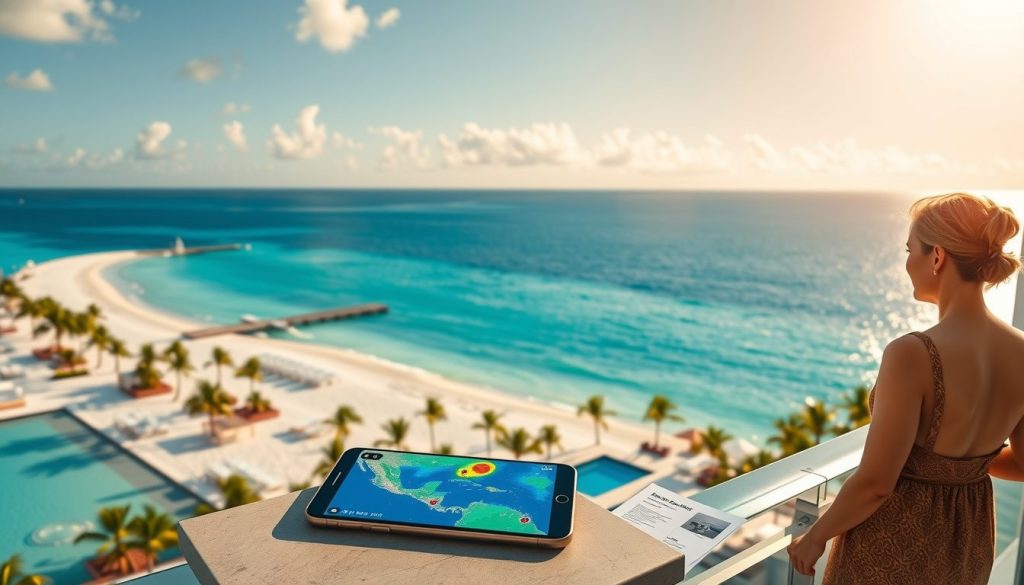
Even low-risk islands plan for weather, because smart resorts don’t assume calm will always hold.
The best properties treat hurricane season as a logistics season, not a panic season.
You’ll often see reinforced or elevated architecture designed to handle tropical wind reality.
Resorts typically secure outdoor furniture and beachfront equipment early when regional systems form, long before local conditions become unsafe.
Staff are trained in shelter and evacuation protocols, even if those protocols rarely need to be used in southern zones.
Most resorts also keep backup power and water reserves ready, because grid instability can happen even from distant regional effects.
Concierge teams monitor forecasts daily and communicate with guests in clear, low-drama language, which helps everyone stay calm.
Flexible rebooking or credit policies are common, but full refunds are not guaranteed unless you have coverage.
That’s why a low-risk destination plus the right insurance plan is the most stress-free way to travel in summer.
When weather and policy work together, you keep control of the trip.
VisitorsCoverage: Flexible Hurricane-Season Coverage That Protects Your Plans
VisitorsCoverage offers plans that can be tailored to storm-season realities, including trip cancellation, interruption, and optional “cancel for any reason” upgrades on select policies.
For resort travelers, the biggest value is protecting prepaid nights and transportation if a named storm causes a closure or airline cancellation.
If your resort shuts down during your dates, covered plans can reimburse unused nights and help cover emergency changes.
If you’re traveling in a higher-risk zone, a CFAR-style upgrade can add emotional flexibility, letting you back out even if the resort remains open.
That matters for families or first-time hurricane-season travelers who want a safety valve for comfort.
VisitorsCoverage is also useful when your booking includes prepaid transfers or excursions, because those add-ons are often the first money you lose without coverage.
The practical move is to select a plan that matches your island’s risk level and your personal comfort level.
That way you’re not over-insuring a low-risk destination or under-insuring a higher-risk one.
Insurance should feel like freedom, not an extra worry.
Cost: Often $2–$10 per traveler per day depending on plan.
Hours: Online purchase anytime; claims timing varies by plan.
World Nomads: Hurricane-Season Coverage Built for Active Resort Travelers
World Nomads is built for travelers who expect to explore beyond the resort, which makes it a strong fit for Caribbean trips where excursions are a core part of the experience.
Coverage typically extends to a wide range of activities, so snorkeling, hiking, and boat tours don’t feel like a gamble.
If rough seas or heavy rain cancel a prepaid activity, covered plans can reimburse the cost depending on your policy terms.
Medical and evacuation components are also valuable if regional systems disrupt services or travel routes.
For islands like Grenada, Barbados, or Saint Lucia, that matters because inland hikes and ocean outings often trade places when weather shifts.
World Nomads gives you confidence to book early rather than waiting for perfect forecasts.
The real benefit is that you protect both your money and your momentum.
You can keep the trip playful instead of cautious.
Cost: Varies by age, trip length, and coverage level.
Hours: Online purchase anytime; 24/7 emergency assistance.
Compensair: Flight Disruption Support When Hurricanes Break Your Routing
Compensair helps travelers pursue airline compensation when flights are delayed or canceled under applicable passenger-rights rules.
Storm season can trigger travel cascades through U.S. hubs even when your destination is calm.
If your route is disrupted because a system hits your connection city, Compensair can handle the paperwork you’d otherwise avoid.
This doesn’t replace travel insurance.
It complements it by recovering what the airline may legally owe when rules apply.
For resort travelers, that can mean meaningful money back after a messy travel day.
The service is especially helpful for families or groups who don’t have time to fight claim processes across multiple tickets.
Used alongside insurance, it closes a common gap in storm-season travel recovery.
Cost: No-win, no-fee; service fee taken from successful claims.
Hours: Claims submitted online anytime; processing varies by airline.
Ekta: Affordable Hurricane-Season Protection for Resort Travelers
Ekta offers budget-friendly travel insurance that still covers key storm-season risks.
It’s a practical choice for travelers booking low-risk islands who want protection without a big cost bump.
Plans can include interruption, early departure, and some activity cancellation coverage depending on what you choose.
Ekta also offers CFAR-style flexibility on certain plans, which can be reassuring if you’re nervous about traveling in peak months.
A streamlined claims system makes it approachable for first-time buyers.
For resort travelers who want simplicity and value, Ekta often hits the right balance.
You stay protected without overpaying for risk that’s already low.
Cost: Often under $2–$5 per traveler per day depending on plan.
Hours: Online purchase anytime; claims timing varies by plan.
Insubuy: Fast Hurricane-Season Insurance Comparisons for Safer Resort Trips
Insubuy aggregates policies from multiple insurers, letting you compare benefits side-by-side before you buy.
This is especially helpful for storm season because “named storm,” “warning,” and “fear-based cancellation” rules vary across plans.
You can filter for hurricane coverage, CFAR-style upgrades, family policies, or group travel needs.
For weddings, reunions, or multi-room trips, that flexibility helps you align coverage to each traveler’s risk and budget.
The platform is also useful if you’re booking through third-party sites and want to make sure your coverage fits the way you paid.
A good comparison upfront prevents claim surprises later.
Insubuy makes the insurance choice feel like a clear decision instead of a guess.
Cost: Varies by insurer and plan; comparison is free.
Hours: Online purchase anytime; claims timing varies by plan.
Real Hurricane Scenarios—and How Resorts and Insurance Save Your Vacation
Storm-season travel is rarely ruined by weather itself.
It’s ruined by surprise costs and rushed decisions.
These scenarios show how low-risk islands plus smart coverage keep disruptions small and manageable.
The pattern is simple: resorts handle safety and logistics, while insurance protects your wallet and your flexibility.
When both pieces are in place, a forecast shift feels like a schedule adjustment, not a crisis.
Use these examples as mental rehearsals before you book.
If you can picture the pivot, you’ll travel calmer.
And calmer travel is the whole point of choosing low-risk islands in the first place.
Scenario 1: Alert Before Arrival
You’re booked at a Curaçao resort in September and a tropical system forms days before departure.
Curaçao itself is likely calm, but your U.S. connection is at risk for delays.
Your resort offers free rebooking to a later week to keep your trip smooth.
VisitorsCoverage reimburses covered flight change fees and prepaid excursions tied to the original dates, depending on plan details.
You shift your week without a financial penalty.
Scenario 2: Mid-Stay Evacuation Elsewhere in the Region
You’re staying in Barbados when a system tightens unexpectedly and a temporary evacuation order is issued for a few coastal zones.
Your resort moves guests inland calmly, long before conditions feel rough.
World Nomads covers covered unused nights and emergency transport costs under interruption benefits.
You return to the resort once the advisory clears and continue the trip.
Scenario 3: Flight Cancellation Through a Hub
Your flight to Aruba is canceled because a storm hits your connection city, not Aruba itself.
The airline rebooks you two days later and you have to cover a hotel and meals while you wait.
Ekta reimburses covered delay expenses if that benefit is included in your plan.
Compensair helps you pursue airline compensation when rules apply.
You lose time, but not money.
Scenario 4: Excursion Disruption
Your Grenada snorkeling tour is canceled because distant swells make seas rough for a day.
You swap to an inland waterfall hike instead and keep the trip varied.
An Insubuy-selected policy reimburses the prepaid sea tour if covered by your insurer.
Your vacation story stays full even when the ocean takes a rest day.
Scenario 5: Comfort-Based Cancellation
You’re booked in late August in a higher-risk zone and feel uneasy after watching multiple forecasts.
Your dates aren’t directly threatened, but your comfort level drops.
A CFAR-style upgrade through VisitorsCoverage lets you cancel for personal reasons and recover a large portion of prepaid costs.
You rebook for a calmer month without losing your budget.
Scenario 6: Group Travel Refund Protection
Your family booked multiple rooms in Trinidad for a reunion and one traveler gets sick before departure.
You chose plans through Insubuy that cover travelers individually, so one cancellation doesn’t trap the whole group financially.
The ill traveler is reimbursed under covered terms, while the rest still go.
The reunion stays joyful and financially fair.
Scenario 7: Resort Wedding Disruption
You planned a small resort wedding in Grenada and a system threatens regional air routes.
Several guests can’t arrive on the original day.
World Nomads reimburses covered venue and travel losses depending on policy selection.
You reschedule the ceremony for a clearer afternoon later in the week.
The celebration stays meaningful because the money stress is already handled.
FAQ – Hurricane-Season Safe Caribbean Resorts: Low-Risk Destinations, Insurance & Emergency-Ready Planning
What defines a low-risk Caribbean resort during hurricane season?
A low-risk resort is sited outside primary Atlantic storm corridors and benefits from natural geographic buffers.
A low-risk resort maintains documented emergency plans, reinforced infrastructure, and clear guest communication protocols.
A low-risk resort demonstrates recent preparedness drills and local civil-defense coordination to support guest safety.Which Caribbean islands are generally lower risk for hurricanes?
Southern Caribbean islands such as Aruba, Bonaire, and Curaçao typically sit south of the main Atlantic storm track and show lower seasonal exposure.
Choosing these destinations can reduce the probability of direct hurricane impact during peak months.
Confirm destination-specific historical storm patterns with official meteorological sources before booking.How do I pick a resort that prioritizes hurricane preparedness?
Choose resorts that publish a clear hurricane policy and provide documented emergency-response procedures.
Verify the property has reinforced structures, elevated critical systems, and an on-site crisis management team.
Ask for recent third-party audits or drill reports to confirm operational readiness.What travel insurance coverage is essential for hurricane season?
Purchase travel insurance that explicitly covers trip cancellation, interruption, and weather-related evacuation.
Confirm policy language for hurricane-specific clauses, coverage windows, and required documentation.
Secure a policy that supports refunds or rebooking when weather disruptions occur.When is the safest time to book a Caribbean trip to minimize storm risk?
Book travel outside the Atlantic hurricane season when possible, typically from mid-November through April.
If travel during season is necessary, prioritize early- or late-season windows and flexible booking options.
Select refundable rates and flexible change policies to protect your plans.What on-resort services should I confirm for hurricane readiness?
Confirm the resort’s evacuation plan, guest shelter locations, and emergency contact procedures.
Ask whether the resort provides real-time weather alerts, backup power, and secure storage for valuables.
Verify staff training and guest communication channels to ensure timely, actionable updates.How will resorts communicate schedule changes or evacuations during a storm?
Resorts typically use SMS, email, and in-room notices to communicate schedule changes and evacuation instructions.
Request the resort’s communication protocol before you travel to ensure you receive timely updates.
Confirm alternate contact methods in case primary channels are disrupted.What are my refund and rebooking options if a hurricane affects my trip?
Refund and rebooking policies vary, so review the resort’s force-majeure and weather-cancellation terms before booking.
Document all communications and policy terms to support claims if disruption occurs.
Combine clear resort policies with travel insurance that covers weather-related cancellations.What should I pack for travel during hurricane season?
Pack a compact emergency kit with a flashlight, portable charger, copies of travel documents, and basic first-aid supplies.
Include waterproof cases for electronics and printed copies of insurance and resort emergency contacts.
Carry essential medications and a small supply of nonperishable snacks to support short-term sheltering.Are there certifications or audits that indicate a resort’s hurricane readiness?
Look for resorts that reference local civil-defense coordination, third-party safety audits, or hospitality emergency certifications.
Ask the resort to describe recent audits, drills, or external assessments that confirm their readiness.
Prioritize properties that transparently share verification details and emergency contact points.