


Don’t Let One Problem Ruin Your Vacation
A few seconds now protects the trip you’ve already invested so much into.
Short Excerpt
- A Caribbean storm does not automatically mean losing your prepaid vacation, but your options depend heavily on the resort, airline, and insurance terms you chose before the forecast changed.
- Flexible reservations, written hurricane policies, and properly selected travel protection can make rescheduling far easier when severe weather threatens.
- Acting early matters because insurance coverage, resort deadlines, available replacement dates, and flight options can become more limited as a storm approaches.
Quick Take
- Read the resort’s hurricane and severe-weather policies before paying for a nonrefundable stay.
- Flexible or refundable bookings can give you more control when forecasts change.
- Travel insurance may cover certain storm-related cancellations, interruptions, delays, medical problems, or evacuations when the policy requirements are met.
- Buying protection before a tropical storm becomes a known event can be critical for hurricane-related coverage.
- Save every confirmation, policy document, airline notice, resort message, and receipt if you need to reschedule or file a claim.
Protect the Money You Have Already Spent Before a Caribbean Storm Forces a Change
A hurricane forecast does not automatically mean your Caribbean vacation is ruined or that every prepaid dollar is lost.
What happens next depends largely on the booking decisions you made before the storm appeared.
Resort cancellation rules, hurricane guarantees, airfare conditions, insurance coverage, and the timing of your response can determine whether you receive new travel dates, a credit, reimbursement for a covered loss, or very little flexibility at all.
That is why the best time to prepare for weather disruption is when you make the original reservation rather than when a hurricane is already approaching your destination.
Start by favoring resort and transportation options that clearly explain what happens when severe weather interferes with travel.
Then review travel protection based on the actual risks you want covered instead of assuming every policy reimburses every hurricane-related cancellation.
The timing of that purchase deserves particular attention because once a storm becomes a known or foreseeable event, losses connected with that specific system may no longer qualify under newly purchased coverage.
Your strategy should also account for problems that happen before, during, and after the resort stay.
A closed property, canceled flight, significant delay, unexpected medical problem, evacuation, or interrupted vacation can each trigger different policies and benefits.
Knowing those differences before departure gives you a much stronger position when severe weather forces you to change plans quickly.
Understand Resort Weather Policies Before They Cost You Your Vacation
Resorts in hurricane‑prone regions know storms are part of the travel landscape, but their policies vary dramatically.
Some offer “hurricane guarantees” that let you reschedule without penalty if a named storm is forecast to hit.
Others issue credits for unused nights or allow rebooking within a year.
A few may only refund if the property officially closes.
The difference between salvaging your trip and losing thousands often comes down to whether you asked the right questions before booking.
Always request the policy in writing.

Paradise Is Calling Your Name
Explore Sandals & Beaches deals
Resorts like Sandals, Disney, and Palace Resorts publish clear hurricane guarantees, but smaller properties may not.
If you don’t confirm in advance, you may find yourself stuck with nonrefundable nights when the forecast turns.
- Hurricane guarantees: Waive penalties if a named storm is forecast.
- Credits or certificates: Many resorts issue vouchers for unused nights.
- Reschedule windows: Some allow rebooking within 12 months.
- Written proof: Always request the policy in writing.
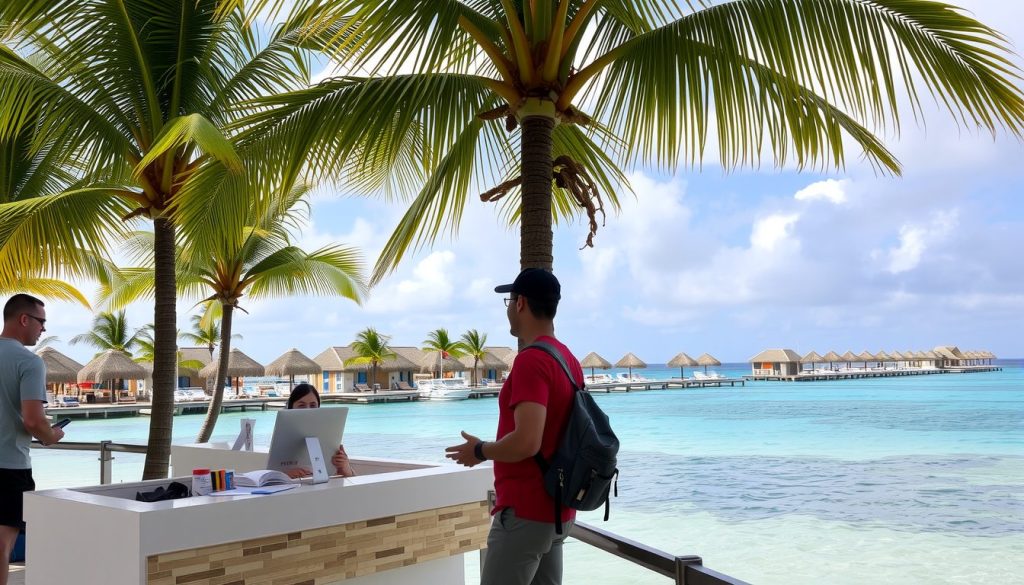
Book Flexible Options That Keep You in Control When Weather Turns
Flexibility is your safety net.
Nonrefundable rates may save a few dollars upfront, but they lock you into brittle plans.
Refundable or change‑friendly bookings give you the power to pivot when forecasts shift.
Booking direct with the resort often unlocks more generous reschedule terms than third‑party platforms like Tripadvisor or Booking.com.
Escape the Chaos. Upgrade to Paradise.
See today’s exclusive offers

Some resorts also sell “vacation protection plans” that allow last‑minute rescheduling.
The smartest move is to combine flexible bookings with hurricane guarantees so you’re covered from both sides.
Think of it as buying optionality: you’re paying for the right to change your mind when the weather demands it.
- Direct bookings: Resorts often offer more generous reschedule terms.
- Third‑party bookings: Must follow platform rules, often stricter.
- Vacation protection plans: Add‑ons that allow last‑minute rescheduling.
- Documentation: Save confirmations and policy details.
Travel Insurance That Turns Storms Into Refunds
Even with resort flexibility, insurance is the backbone of storm protection.
Standard policies cover trip interruption or cancellation if a storm makes your destination uninhabitable.
Cancel for Any Reason (CFAR) coverage goes further, letting you back out even if the resort remains open.
Without insurance, you’re relying entirely on resort goodwill.
With it, you have a contractual right to reimbursement. Insurance transforms weather from a financial threat into a manageable inconvenience.
Below are the four providers that cover the most critical gaps — each one plays a different role in protecting your trip.

VisitorsCoverage — Shield Your Prepaid Resort Nights
When a storm forces a resort to close, prepaid nights can vanish without protection.
VisitorsCoverage is designed to shield that investment.
It’s a marketplace that lets you compare multiple carriers and find policies with explicit closure/interruption language.
If you’ve prepaid thousands for an all‑inclusive stay, this is the module that ensures you don’t lose it all when the resort shutters.
- What it is: Marketplace for cancellation, interruption, and medical policies with closure riders.
- Why recommended: Efficient comparison of closure/interruption language and per‑night caps.
- How to buy: Run quotes, select closure riders, purchase digitally, save hotline.
- Decision filters: Explicit closure clause; per‑night caps; documentation requirements.
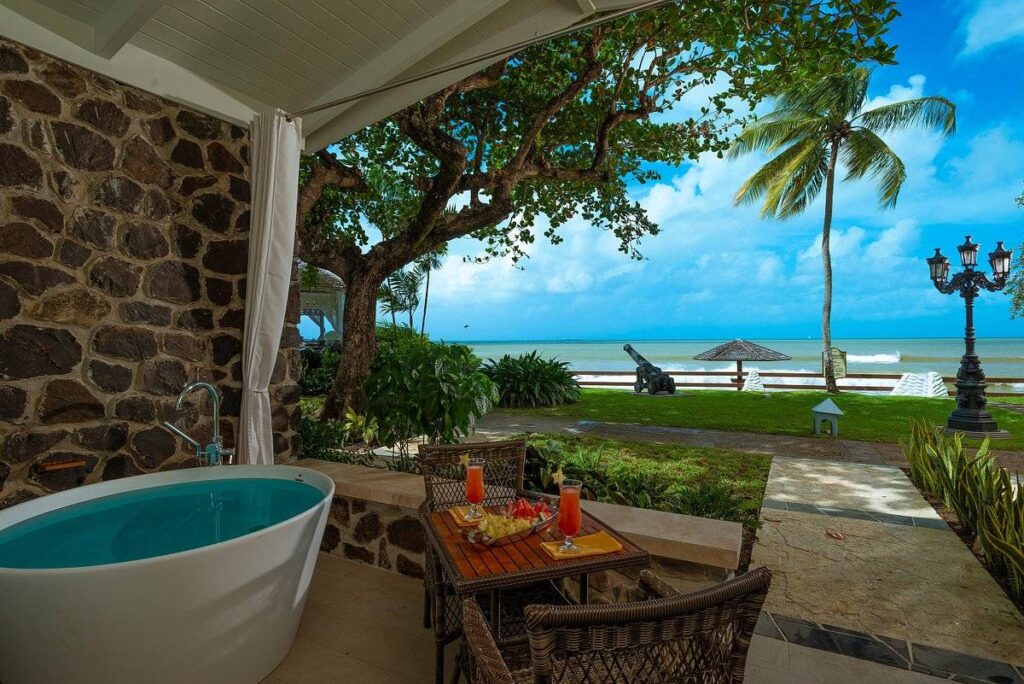
Find the Escape You’ve Been Craving.
Reveal limited‑time Caribbean deals
Ekta — Secure Peace of Mind With Medical and Evacuation Protection
Storms don’t just disrupt flights and resorts — they can create medical emergencies.
If you’re injured or fall ill during a hurricane, local hospitals may be overwhelmed or under‑equipped.
Ekta specializes in high medical limits, evacuation coordination, and guaranteed hospital payments.
This is the provider that ensures you’re not left negotiating costs in a crisis, and that you can be moved quickly to a facility that can handle your needs.
- What it is: Global insurer specializing in medical coverage and evacuation.
- Why recommended: High medical limits and guaranteed payment reduce risk.
- How to buy: Purchase via portal or broker, register travelers, store hotline contacts.
- Decision filters: Medical limits, evacuation caps, activity coverage.
Insubuy — Transform Delays Into Covered Comfort Instead of Stress
Flight delays are inevitable during storm season, but they don’t have to mean sleeping on airport floors.
Insubuy is a broker that simplifies sourcing delay and interruption riders across carriers.
It clarifies per‑day caps and delay triggers, and provides licensed agent support for claims.
With the right rider, you’ll be reimbursed for meals and hotels during delays, and refunded for unused nights if you must cut a trip short.
- What it is: Broker for delay and interruption riders across carriers.
- Why recommended: Clarifies per‑day caps and delay triggers; agent support for claims.
- How to buy: Compare riders, purchase, download documents, note claim timelines.
- Decision filters: Minimum delay hours; per‑day hotel/meal caps; reporting requirements.
Compensair — Claim the Airline Cash You Deserve After Disruption
Airlines owe compensation for delays, cancellations, and denied boarding — but most travelers never claim it.
Compensair specializes in recovering this money, separate from insurance reimbursements.
By submitting your boarding passes, cancellation notices, and receipts, you can unlock cash that airlines are legally obligated to pay.
This is the final layer of your protection stack, ensuring you don’t leave money on the table.
- What it is: Service that pursues airline compensation for delays/cancellations.
- Why recommended: Recovers statutory or contractual payouts separate from insurance.
- How to buy: Submit disruption evidence online; retain boarding passes, notices, receipts.
- Decision filters: Route eligibility; required documentation; filing deadlines.
Turn Your Next Getaway into Magic.
Discover your perfect resort match
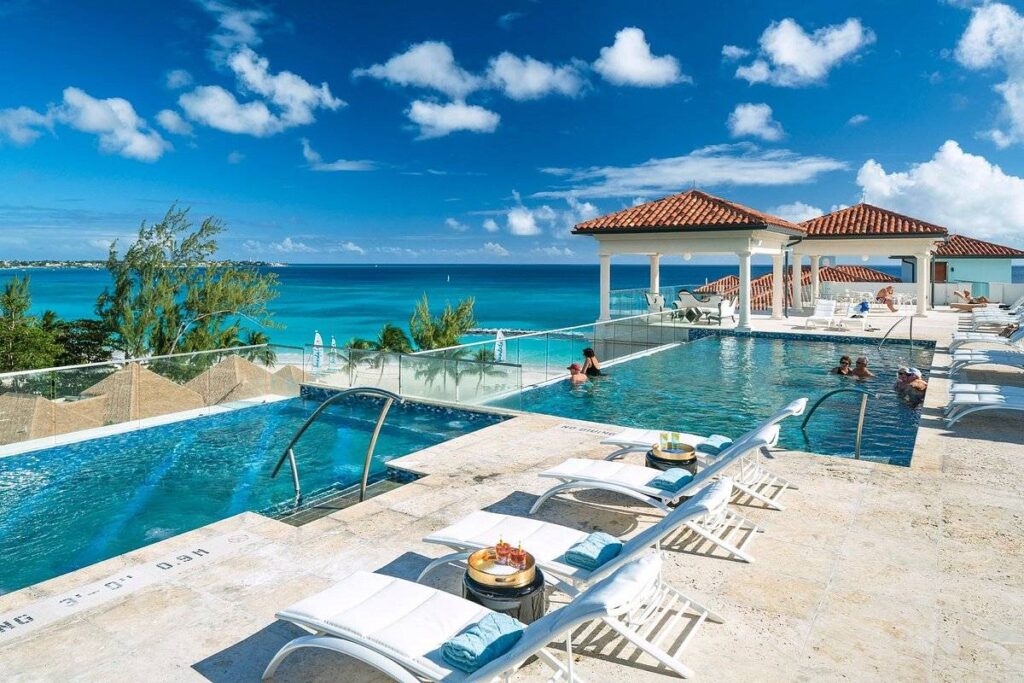
Act Quickly When Weather Threatens to Save Your Options
Resorts and insurers often require action within a set window (e.g., 72 hours before arrival).
Waiting until the storm makes landfall is too late — by then, flights are full, resorts are overwhelmed, and claims may be denied.
The moment a hurricane warning is issued, call your resort, reference their hurricane policy, and request written confirmation of your reschedule or credit.
At the same time, notify your insurer.
Acting early preserves your options and keeps you ahead of the panic.
- Contact resort first: Ask to reschedule or receive a credit.
- Call insurer hotline: File a claim if coverage applies.
- Keep records: Save emails, advisories, and receipts.
- Move early: Acting before the storm hits preserves options.
Real‑World Scenarios That Prove Rescheduling Works
It’s one thing to talk about policies and protections in theory — it’s another to see them in action.
Real travelers have faced storms that forced cancellations, evacuations, and mid‑trip closures.
The difference between panic and control came down to whether they had flexible bookings and the right insurance stack.
These scenarios illustrate how preparation turns chaos into confidence, showing exactly how each protection module plays out in practice.

- Couple at Sandals: A hurricane warning was issued three days before arrival. They rescheduled to new dates without penalty under the resort’s hurricane guarantee.
- Family in Puerto Rico: Resort closed mid‑stay due to power outages. They received a credit for unused nights and rebooked within six months.
- Solo traveler with CFAR insurance: Forecast showed a storm approaching. Even though the resort stayed open, CFAR coverage reimbursed 75% of prepaid costs when they canceled.
FAQ – What Can You Do Before a Caribbean Storm Threatens Your Resort Vacation?
What Should You Check in a Resort’s Hurricane Policy Before Booking?
Start by finding out exactly what must happen before the resort allows a penalty-free change, future credit, or refund.
Some policies may respond only when the property closes, while others can include specific hurricane warnings, evacuation orders, or other defined conditions.
Ask how long you have to use any replacement stay and whether blackout dates, rate differences, or other restrictions apply.
Get the policy in writing and save a copy with your reservation records.Does a Hurricane Guarantee Mean You Automatically Get a Refund?
No, a hurricane guarantee does not automatically mean you receive your money back.
Depending on the resort, the benefit may take the form of new travel dates, a future-stay credit, waived change penalties, or another remedy rather than a cash refund.
Eligibility can also depend on how the property defines a qualifying storm event.
Read the actual policy instead of assuming the phrase “hurricane guarantee” provides the same protection everywhere.Is a Flexible Resort Rate Better During Hurricane Season?
A flexible rate can be valuable because it gives you more options when weather conditions become uncertain.
The cheapest prepaid rate may carry strict cancellation deadlines that leave little room to change plans simply because a storm appears in the forecast.
A refundable or change-friendly reservation can reduce that problem, although the exact flexibility depends on the terms attached to the rate.
Compare the potential savings from a nonrefundable booking with the financial risk you would accept if your trip had to change.Should You Book a Caribbean Resort Directly or Through a Booking Platform?
Either approach can work, but you should compare the cancellation and change rules before deciding.
A direct reservation may allow you to work with the resort itself when severe weather threatens, while a third-party reservation can require changes to be processed through the company that handled the booking.
Booking.com, Tripadvisor, and other travel platforms do not all apply one universal weather policy to every reservation.
The useful comparison is the specific rate, refund deadline, change procedure, and support process attached to the room you are considering.Can Travel Insurance Cover a Caribbean Hurricane Cancellation?
It can, but only when the circumstances satisfy the covered reasons and other requirements in your specific policy.
Some plans may provide trip cancellation or interruption benefits when severe weather makes a destination inaccessible or accommodations unusable, while other qualifying situations can be defined differently.
Coverage generally protects against unforeseen events rather than problems you already knew about when purchasing the policy.
Read the hurricane and severe-weather provisions carefully instead of assuming any storm near your destination guarantees reimbursement.Why Does the Timing of Your Travel Insurance Purchase Matter?
Timing can determine whether losses from a particular hurricane are eligible for coverage.
Once a tropical system becomes a known or foreseeable event under an insurer’s rules, buying a policy afterward generally will not create coverage for losses caused by that already developing storm.
Purchasing protection soon after making your first major trip payment can therefore preserve options that may disappear later.
Always verify the policy’s effective date and rules because requirements differ among plans.What Does Cancel for Any Reason Coverage Add?
Cancel for Any Reason coverage can provide additional flexibility when your reason for canceling does not qualify under standard trip-cancellation benefits.
It usually reimburses only a percentage of eligible prepaid nonrefundable costs rather than 100 percent.
CFAR also commonly carries strict purchase deadlines and requires cancellation within a specified period before departure.
Treat it as a broader but still rule-based benefit rather than permission to cancel at any moment and automatically recover everything you spent.Which Travel Protection Options Can You Compare for a Caribbean Vacation?
VisitorsCoverage and Insubuy can help travelers compare insurance options from multiple insurers, while EKTA offers travel insurance products directly.
The right option depends on whether you are most concerned about cancellation, interruption, medical treatment, evacuation, delays, baggage, or a combination of risks.
Do not select a plan solely because it carries a high medical limit or mentions trip cancellation.
Compare covered reasons, exclusions, benefit limits, waiting periods, deductibles where applicable, and documentation requirements against the cost and structure of your actual vacation.What Happens If a Hurricane Causes a Long Flight Delay?
Your options depend on the airline, route, reason for the disruption, ticket conditions, and any applicable insurance benefits.
Travel-delay coverage may reimburse qualifying expenses such as meals or lodging after the required delay period has been reached.
Airlines may also offer rebooking, but hotel and meal commitments can differ when severe weather rather than an airline-controlled problem causes the disruption.
Keep receipts for necessary expenses because your insurer may require them if you later submit a claim.Does a Storm-Related Flight Cancellation Mean the Airline Owes You Cash Compensation?
Not automatically.
For flights covered by U.S. rules, you can generally be entitled to a refund when the airline cancels the flight or makes a qualifying significant change and you choose not to accept the alternative transportation or other option offered.
Additional cash compensation is a separate issue and should not be assumed when weather caused the disruption.
Compensair can assess certain disrupted flights for compensation eligibility, but eligibility depends on the route, circumstances, and passenger-protection rules that apply.What Should You Do When a Hurricane Starts Threatening Your Destination?
First, check official forecasts and determine whether your resort, airline, or insurer has activated any relevant weather provisions.
Contact the resort before canceling on your own and ask what rescheduling, credit, or refund options are currently available.
If you have travel insurance, review the policy or contact the insurer so you understand what steps and documentation are required before making changes.
Save every email, notice, receipt, advisory, and confirmation connected with the disruption.Should You Reschedule as Soon as a Storm Appears in the Forecast?
Not always.
Changing the trip too early without understanding your contracts can cause you to give up protections that would have become available if the airline canceled, the resort closed, or another covered event occurred.
At the same time, waiting too long can reduce replacement-flight availability and leave fewer suitable resort dates.
Check the official forecast, your cancellation deadlines, insurer requirements, and provider policies together before deciding when to act.What If the Resort Closes After Your Caribbean Vacation Has Already Started?
Contact the resort and your travel insurer immediately to determine what assistance and benefits may apply.
Depending on the policy and circumstances, trip-interruption benefits can potentially address qualifying unused prepaid expenses or additional transportation costs.
If local authorities issue evacuation instructions, follow those directions rather than waiting for a resort or insurer to make the decision for you.
Document the closure, any evacuation order, additional lodging, transportation expenses, and unused portions of your original booking.What Records Should You Keep for a Hurricane-Related Claim?
Keep your original booking confirmation, payment records, insurance policy, airline notices, resort communications, cancellation confirmations, and receipts for additional expenses.
Official storm notices or evacuation information may also become important depending on the claim.
Take screenshots of time-sensitive information when necessary because online notices can change after the event.
Organized documentation makes it easier to demonstrate what happened, when it happened, and what money you actually lost.Can You Protect a Caribbean Vacation Without Buying the Most Expensive Insurance?
Yes, because effective trip protection starts with the structure of the booking rather than insurance alone.
Flexible hotel rates, reasonable cancellation deadlines, changeable transportation, written resort weather policies, and carefully selected insurance can work together.
A more expensive policy is not automatically better if its benefits do not address the risks that could create the greatest loss on your trip.
Build protection around your prepaid costs, destination, health needs, transportation arrangements, and willingness to absorb unexpected expenses.