


Don’t Let One Problem Ruin Your Vacation
A few seconds now protects the trip you’ve already invested so much into.
Short Excerpt
- September sits near the Atlantic hurricane season’s peak, but that does not mean every Caribbean island faces the same level of disruption.
- Aruba, Bonaire, Curaçao, Trinidad and Tobago, and Barbados can reduce storm exposure while still offering beaches, resorts, diving, culture, and warm Caribbean water.
- The strongest September strategy combines favorable island geography with simple flights, flexible resort terms, and travel protection purchased before a storm becomes a known event.
Quick Take
- September can deliver lower resort rates, fewer crowds, warmer water, and better upgrade opportunities than the Caribbean’s winter high season.
- Aruba, Bonaire, Curaçao, Trinidad and Tobago, and Barbados are among the stronger choices when reducing direct hurricane exposure is a priority.
- Avoid stacking risk by combining a storm-prone island, vulnerable flight connections, and a strict nonrefundable resort booking.
- Direct flights, flexible rates, and resorts with clear hurricane policies make a September itinerary easier to adjust.
- Standard travel coverage can protect against qualifying storm disruptions, while CFAR may provide more freedom when you want the option to cancel without a traditional covered reason.
- Expect heat, humidity, and occasional tropical showers even during a storm-free week, so pack for normal September weather as well as possible disruptions.
How To Make a September Caribbean Vacation Safer Without Giving Up the Value
September sits at the peak of hurricane season, but that does not make your Caribbean dream impossible.
It can be safe to travel to the Caribbean in September, but safety and trip success depend on three things you control:
- Where you go.
- How flexible your itinerary is.
- Whether you protect the trip financially with the right coverage.
September trips are not doomed; they just demand smarter choices than winter vacations.
Think of it like this.
You are not betting against a hurricane existing somewhere in the Atlantic.
You are betting on your specific island and week staying clear enough for your plans to run.
The Realities of September Caribbean Travel You Need to Know
Climatology is clear that the Atlantic season peaks around September 10, and most overall activity clusters from mid-August through mid-October. (NOAA)
That does not mean a hurricane is guaranteed to affect your resort.
It means the baseline risk is higher, and you should plan as if a disruption is possible.
Here is what is also true, and why people keep traveling in September anyway.
- Many September weeks pass without any meaningful storm impact on a given island.
- Resorts are open and operating normally most of the time.
- Prices drop hard after August, so you can book higher-tier resorts for the same budget.
- Beaches and pools feel calmer with fewer crowds.
The tradeoff is uncertainty.

Paradise Is Calling Your Name
Explore Sandals & Beaches deals
You might get a flawless week with empty loungers and warm water, or you might watch a tropical system turn your flight path into a puzzle.
September is not unsafe by default.
It is less predictable, and that is the difference that matters. (The Weather Channel)

Why September Caribbean Travel Can Be Your Best Value
If you are comfortable traveling with a little more flexibility, September can be one of the best value windows in the Caribbean.
You’re looking at:
- Lower airfare and resort rates, sometimes by hundreds per person compared to winter.
- More upgrade opportunities, because occupancy is softer.
- Warmer ocean temperatures, especially for snorkeling and diving.
- A slower, more personal resort vibe with less competition for reservations and chairs.
For travelers who want the Caribbean experience without the high-season premium, September is a legitimate strategy.
The Risks That Can Disrupt Your September Caribbean Trip
You already named the big ones, so here is what they look like in real terms for resort guests.
- Tropical storms and hurricanes are more likely somewhere in the region, which can trigger islandwide advisories, harbor closures, or airport slowdowns. (NOAA)
- Flights are the most fragile link. A storm hitting Florida, Puerto Rico, or another hub can cancel your connection even if your destination stays sunny.
- Resorts rarely give full cash refunds unless they close. You may get credits or partial refunds, but that varies by property and rate type.
- Excursions are weather-dependent. Boats, catamarans, and snorkeling trips are often the first things paused for safety.
None of these risks make September a “no.”
They just mean your plan needs to cover more contingencies than a January booking.
Safer Caribbean Islands for September Travel—And Why They Matter
Geography is your best friend here.
Islands outside or below the main hurricane belt see far fewer direct hits, because most storms track west and then curve north before they reach those southern latitudes.
The most reliable September picks are:
- Aruba
- Bonaire
- Curaçao
- Trinidad and Tobago
- Barbados (lower risk than the northern chain, though not as protected as the ABC islands)
These islands stay on the calmer side of the season most years, and they have tourism systems built for year-round operations.
Higher-risk regions in September include the Bahamas, Jamaica, Puerto Rico, the Dominican Republic, the U.S. Virgin Islands, and parts of eastern Mexico.
Those places can still have beautiful September weeks.
Escape the Chaos. Upgrade to Paradise.
See today’s exclusive offers

They just carry a higher chance of a named system passing close enough to disrupt flights or resort operations. (NOAA)
A useful way to think about it is “risk stacking.”
If you choose a high-risk island and fly through a high-risk hub and book a strict non-refundable resort rate, you have built yourself a delicate trip.
If you go south, keep connections simple, and insure properly, September looks a lot safer.
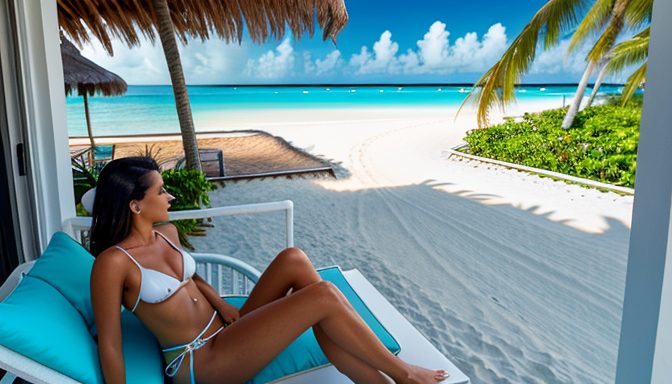
What September Weather Really Means for Caribbean Resort Guests
Most Caribbean islands in September sit in the upper-70s to high-80s Fahrenheit with high humidity.
Afternoon showers are common even without storms.
Resorts are used to this pattern and typically adjust activity schedules around it.
Bring what makes a humid, sometimes-rainy tropical week comfortable, not just what looks cute in photos.
Packing that actually helps:
- Breathable clothing you can re-wear in heat.
- A light rain layer or compact poncho.
- Sandals that handle wet sidewalks.
- Reef-safe sunscreen and insect repellent.
- A backup power bank.
- Your insurance policy PDFs and emergency numbers saved offline.
How Resorts Respond to Hurricanes—and What That Means for You
Most Caribbean resorts have formal storm playbooks.
They monitor alerts, communicate with guests, and follow local authority directives about sheltering or evacuating when needed.
But refund reality is limited.
If the resort stays open, most policies treat lost amenities or bad weather as force-majeure inconvenience, not a refund trigger.
If the resort closes before arrival, you usually get a refund or penalty-free cancellation.
If you evacuate mid-stay, you typically get credits or partial reimbursement for unused nights.
Because that does not cover your whole trip investment, insurance is the tool that fills the gap.
Find the Escape You’ve Been Craving.
Reveal limited‑time Caribbean deals
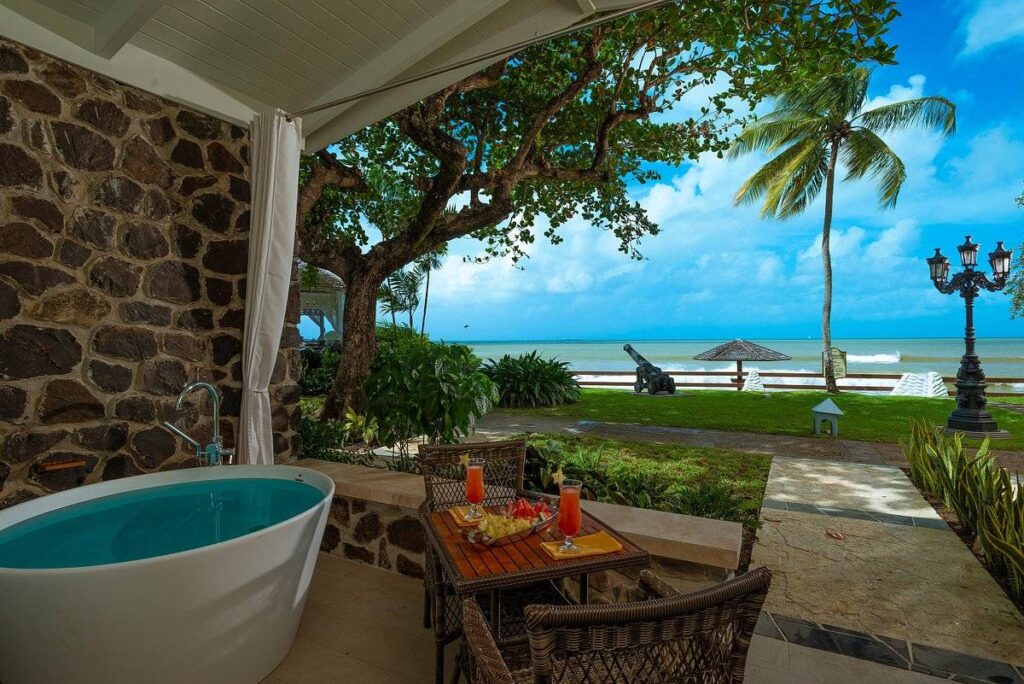
The Insurance Strategy That Turns September Into a Confident Yes
September travelers who feel confident usually have two protections in place.
- Hurricane-aware standard coverage.
- Optional flexibility coverage if they want an emotional off-ramp.
Here is how your planning partners fit naturally into that strategy.
VisitorsCoverage: Compare September-Friendly Plans Fast
VisitorsCoverage is useful because it lets resort travelers compare multiple insurers in one place and look specifically for hurricane language in trip cancellation and interruption coverage.
That matters in September, because “covered hurricane reasons” and timelines vary between plans. (U.S. News Travel)
If you want maximum flexibility, many plans sold through VisitorsCoverage also allow optional Cancel for Any Reason upgrades, which you must buy soon after your first trip payment. (NOAA)
Use it when you are trying to choose between southern safe-zone islands and higher-risk islands, and you want to see which policy handles each scenario best.
Insubuy: Another Good Comparison Hub
Insubuy plays a similar role, aggregating plans from large insurers and letting you filter for hurricane-season coverage and, when available, CFAR add-ons.
This is especially handy for families, wedding groups, or multi-room resort bookings where you want everyone covered under aligned terms. (U.S. News Travel)
World Nomads: Great for Active Resort Trips (CFAR Depends on Plan)
World Nomads is a strong choice if your resort week includes lots of excursions, because its plans are built for adventure-style travel.
It offers standard hurricane-relevant cancellation, interruption, and medical coverage.
CFAR availability depends on your plan and residence, so you should verify it before assuming it is included. (U.S. News Travel)
If you are doing diving, hiking, sailing, or island-hopping activities during September, World Nomads can be a smart fit.
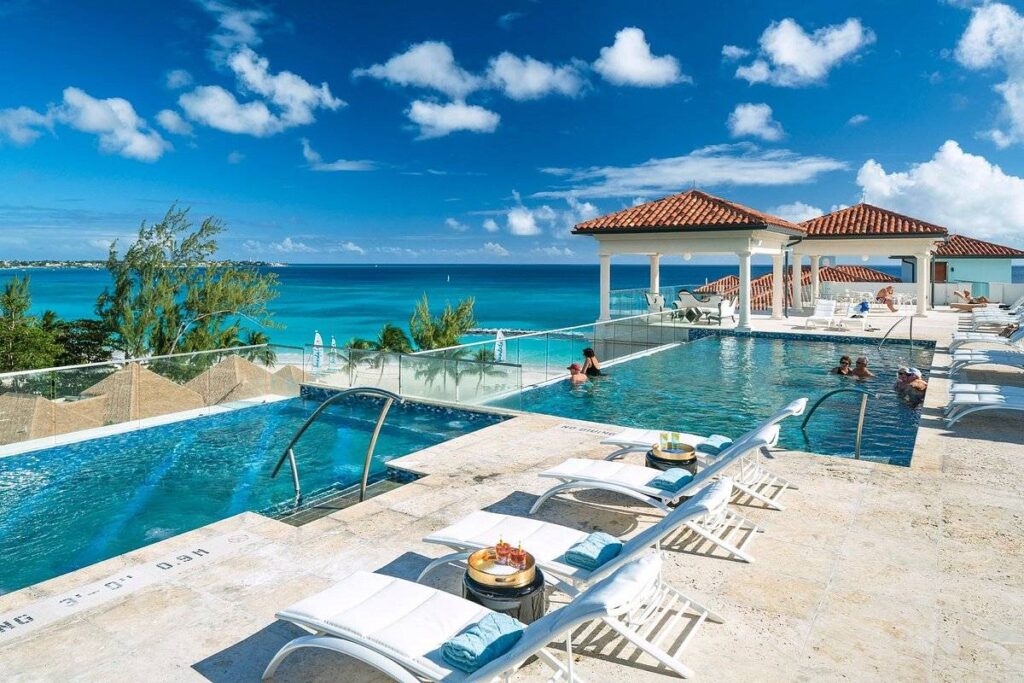
Turn Your Next Getaway into Magic.
Discover your perfect resort match
Ekta: Solid Budget Protection, But No CFAR
Ekta is a good budget-friendly way to get core travel protection like medical care, evacuation, and standard trip cancellation for covered reasons.
But Ekta plans do not include Cancel for Any Reason upgrades.
So Ekta is ideal if you want affordable hurricane-season backstop coverage.
It is not the right pick if your main goal is “I want to cancel just because I feel like it.”
Compensair: The Flight-Recovery Sidekick
Compensair is not insurance, but it is useful when hurricane season causes serious flight delays or cancellations on eligible routes.
If passenger-rights rules apply to your flight, Compensair can help you pursue airline compensation beyond what your resort or insurer pays.

That makes it a strong complement for September travel, where aviation disruptions are the most common domino even on safe islands.
Smart Planning Moves That Make September Caribbean Trips Work
If you want a simple way to turn September into a confident “yes,” do this.
- Pick your island with latitude in mind. Going south reduces your direct-hit risk.
- Keep connections simple. A direct flight to Aruba is dramatically sturdier than a two-stop chain through storm-prone hubs.
- Book a resort rate you understand. If you want maximum refund leverage, choose a semi-flex or refundable rate even if it costs a bit more.
- Buy insurance immediately after booking. Hurricane coverage has foreseeability rules, and CFAR has tight purchase windows. (NOAA)
- Plan one indoor or calm-weather day. Even a quiet week brings occasional heavy rain, and having a spa, cooking class, museum plan, or town day keeps your vibe steady.
How to Make September Travel Safe and Stress-Free
Yes, it can be safe to travel to the Caribbean in September.
Safe does not mean storm-free.
It means you choose islands with better geography, build an itinerary that can flex, and protect your money so weather cannot wreck your investment.
If you want the lowest-stress September trip, head for the ABC islands or other southern picks, book smart flights, and pair your resort stay with hurricane-aware coverage through VisitorsCoverage or Insubuy, adventure-friendly protection through World Nomads if your plans are active, and flight-recovery backup through Compensair if delays hit.
Do that, and September stops being a gamble.
It becomes a high-value way to enjoy the Caribbean while everyone else waits for winter.
FAQ – Planning A Caribbean September Trip Without Unnecessary Stress
How do I choose a September island that feels less vulnerable to storms?
Southern islands such as Aruba, Bonaire, Curaçao, Trinidad and Tobago, and Barbados sit outside or below the main hurricane belt, so they experience fewer direct hits most years. This matters because September’s risk comes from regional storm movement, not constant island-level impacts. Choosing a calmer-latitude island reduces the chance of flight disruptions, resort closures, or itinerary changes, giving you a sturdier foundation for your trip.
Why do travelers still book Caribbean resorts in September even though the season peaks then?
Many September weeks pass without meaningful storm impact on any given island, and resorts operate normally most of the time.
Prices drop sharply after August, occupancy softens, and the ocean stays warm for snorkeling and diving.
The appeal comes from trading a bit of unpredictability for quieter beaches, easier reservations, and lower rates.How can a storm affect my trip even if my chosen island stays sunny?
Storms anywhere along your flight path can disrupt your plans.
A system near Florida, Puerto Rico, or another major hub can cancel or delay your connection even when your destination has clear skies.
This is why September travelers often simplify routing—direct flights to southern islands reduce the number of vulnerable links in the chain.What does “risk stacking” mean when planning a September Caribbean trip?
Risk stacking describes how multiple choices combine to make a trip fragile.
Flying to a high‑risk island, connecting through a storm‑prone hub, and booking a strict nonrefundable resort rate creates a delicate itinerary.
Going south, keeping connections simple, and choosing a flexible rate reduces the number of points where a disruption can cascade.What weather patterns should I realistically expect during a September resort stay?
Most islands sit in the upper‑70s to high‑80s with high humidity, and afternoon showers are common even without storms.
Resorts adjust activity schedules around these patterns.
Packing breathable clothing, a light rain layer, reef‑safe sunscreen, insect repellent, and a backup power bank makes the week more comfortable when humidity or quick showers roll through.How do Caribbean resorts typically respond when a storm threatens operations?
Most resorts follow formal storm playbooks.
They monitor alerts, communicate with guests, and follow local authority directives.
Refunds depend on the situation: full refunds usually occur only if the resort closes before arrival; mid‑stay evacuations often lead to credits or partial reimbursement; and lost amenities during bad weather are usually treated as force‑majeure inconvenience rather than refund triggers.Which insurance features matter most for a September Caribbean trip?
Hurricane‑aware trip cancellation and interruption coverage is essential because it lists specific storm triggers and timelines.
Platforms like VisitorsCoverage and Insubuy make it easier to compare plans with clear hurricane language.
If you want emotional flexibility, adding Cancel for Any Reason gives you the option to walk away for personal reasons, but it must be purchased soon after your first trip payment.How do I decide whether Cancel for Any Reason is worth adding?
Choose CFAR when you want the ability to cancel for reasons beyond measurable storm impacts—uncertainty, shifting comfort levels, or concerns about higher‑risk islands like Jamaica or the Bahamas.
Standard hurricane coverage is enough when you mainly want protection from resort closures, flight cancellations, or evacuation orders.
CFAR is the better fit when you want an off‑ramp regardless of official storm status.What role do comparison platforms like VisitorsCoverage and Insubuy play during hurricane season?
They streamline the process of finding plans with strong hurricane‑season terms.
These platforms let you filter for cancellation and interruption coverage that includes storm‑specific triggers and timelines.
They also highlight CFAR options when available, which is useful for families or groups who need aligned coverage across multiple rooms or bookings.How can I protect myself from flight chaos if a storm disrupts air travel across the region?
Pair your insurance with a flight‑recovery service like Compensair.
It isn’t insurance, but it helps travelers pursue compensation for eligible delays or cancellations—an important complement during September, when aviation disruptions are more common than direct island impacts.
Document airline notices, keep receipts for extra expenses, and coordinate claims promptly to recover what you can.