
Don’t Let One Problem Ruin Your Vacation
A few seconds now protects the trip you’ve already invested so much into.
Planning a Caribbean resort vacation during hurricane season does not have to feel like a gamble.
Some islands sit far south of the storm corridor, and certain resorts combine safer geography with strong protocols and clear guest support.
When you pair those choices with hurricane-aware travel protection, storm season becomes a smart way to enjoy the Caribbean at its best prices.
The good news is that storm safety in the Caribbean is not a mystery.
Some islands sit far enough south that hurricanes rarely track there, and some resorts are especially dependable because they combine safer geography with strong protocols and clear guest support. (Frommer’s)
This guide walks you through what actually makes a resort feel safer in storm season, where to look first, and which specific resorts are reliable choices for travelers who want a calmer late-summer escape.
Throughout, you’ll also see practical ways planning partners like VisitorsCoverage, World Nomads, Ekta, Insubuy, and Compensair protect your money even when the region’s weather does what it wants.
What Really Makes a Caribbean Resort Storm-Safe During Hurricane Season
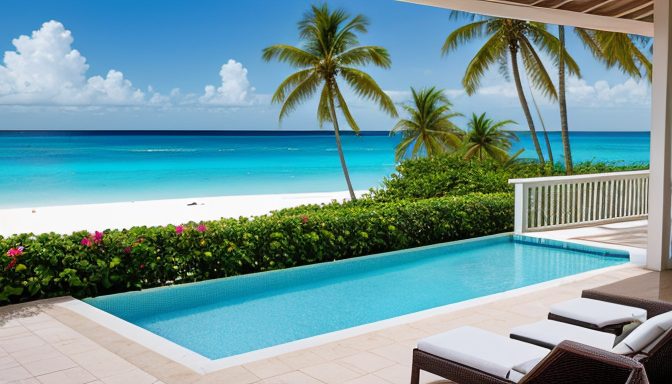
Storm safety is partly about the island you choose, but your resort matters just as much.
The most dependable hurricane-season resorts share a handful of patterns.
First, they are usually built to modern coastal building codes and wind standards, which helps properties stay operational through heavy rain, gusts, and regional squalls.
Paradise Is Calling Your Name
Explore Sandals & Beaches deals
Second, they run formal hurricane procedures—early warning communication, clear shelter or relocation plans, and staff training for guest support when forecasts change.
Third, they tend to be upfront about what happens financially during bad weather.
Most Caribbean resorts only offer full cash refunds if they close officially, so resorts that clearly explain policies and rebooking options reduce stress long before a storm is on the map.
Fourth, the best properties make it easy to pivot.
Resorts with strong on-site amenities, sheltered pools, spa programs, and rich non-beach activities don’t feel “canceled” if a single day turns windy.
Finally, storm-season peace of mind comes from coverage you control, not just a resort’s goodwill.
Even in low-risk islands, a storm can shut down your flight hub or connection route, which is the most common way travelers lose nights and money. (Reuters)
That is why travelers who book between June and November get the best results when they pair a safer resort with hurricane-aware travel protection from the start.
Safest Caribbean Islands for Hurricane-Season Resort Travel—and Why They Matter
If your goal is to lower risk before you even choose a property, geography is your strongest friend.
The far southern Caribbean sits below or near the edge of the hurricane belt, so direct hits are much less frequent over long storm records. (Frommer’s)
These islands are consistently recognized as safer long-run choices during hurricane season:
- Aruba.
- Bonaire.
- Curaçao.
- Trinidad and Tobago.
- Barbados.
- Grenada.
They are not “storm-proof,” and fringe impacts can still happen.
But they sit far enough south that most hurricanes turn north before reaching them. (Frommer’s)
When you base your resort trip on one of these islands, you’re already cutting the odds of a direct hurricane disruption compared with the northern Caribbean.
Now let’s talk about resorts that match that safer positioning with reliable guest experience.
Escape the Chaos. Upgrade to Paradise.
See today’s exclusive offers
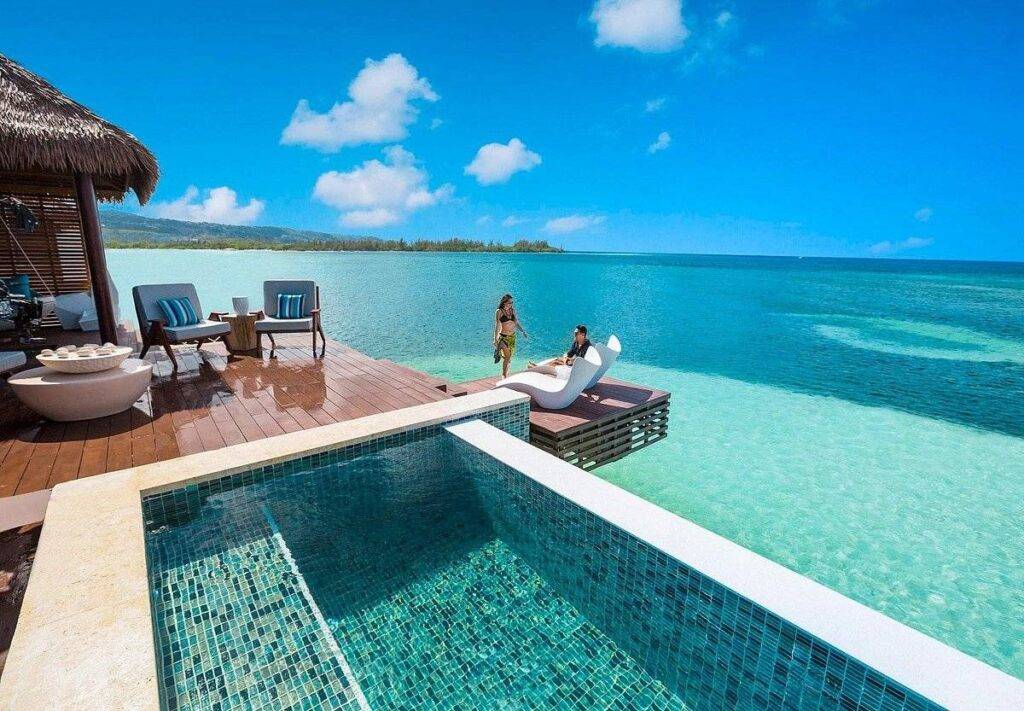
Aruba: Hyatt Regency Aruba—Storm-Safe Luxury on Palm Beach
Aruba is widely viewed as the lowest-risk mainstream resort island in the Caribbean during storm season because it sits well south of the typical hurricane track.
The Hyatt Regency Aruba Resort Spa & Casino is a strong option if you want a full-service property on the island’s most dependable shoreline. (Hyatt)
Palm Beach has calm water most days of the year, and Aruba’s climate is notably dry, averaging roughly 18 inches of rain annually, with showers usually brief rather than multi-day events.
That means a late-August or September stay here usually feels like normal Caribbean summer travel, not a constant weather watch.
For planning, Aruba is the kind of island where you can confidently pre-book excursions, because operators rarely lose whole weeks to storms.
Booking catamarans, island tours, or snorkeling via GetYourGuide can save you serious time once you arrive.
The main advantage is simple logistics: mobile tickets, clear cancellation windows, and fewer on-site lines, which keeps your day smooth if a cloud band rolls through and you decide to shift activities.
Even on Aruba, flight disruptions can happen via U.S. hubs in storm season.
A policy you compare through VisitorsCoverage can cover delays, missed connections, or interruption costs when the storm is nowhere near your island but your routing still collapses. (Reuters)
That pairing—safer island plus clear coverage—creates a trip that feels almost indistinguishable from winter travel, just with better pricing.
Curaçao: Baoase Luxury Resort—Boutique Calm in Hurricane Season
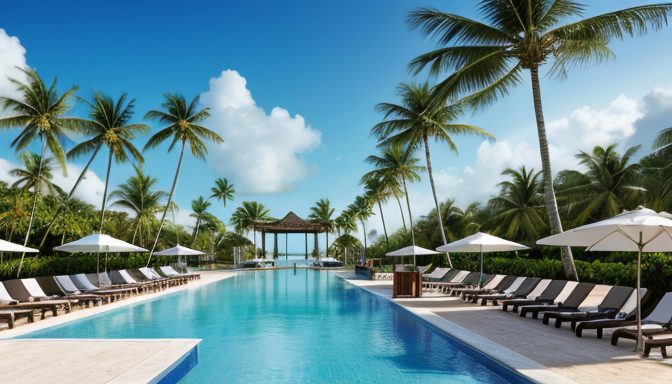
Curaçao sits on the outer fringe of the hurricane belt, with a long history of rare direct hurricane strikes. (Frommer’s)
Baoase Luxury Resort is a boutique-scale retreat known for private villas and a calm, sheltered beachfront environment.
Because Curaçao’s storm risk is low, the bigger hurricane-season win here is operational stability.
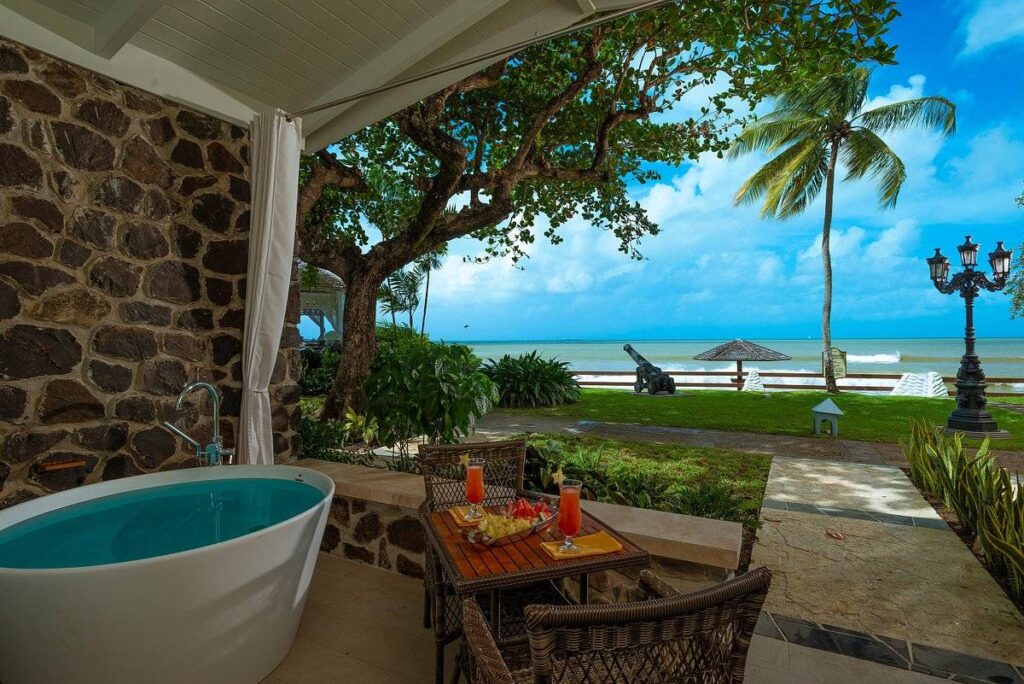
Find the Escape You’ve Been Craving.
Reveal limited‑time Caribbean deals
Resort services, dining, and excursions usually run on normal schedules through September, which helps your vacation feel predictable even in an active Atlantic year.
Baoase itself promotes Curaçao as a hurricane-season-friendly destination, and while that is partly marketing, it aligns with the island’s broader storm track reality.
If your Curaçao stay includes diving, beach-hopping, or cultural touring, World Nomads makes practical sense.
Their plans are built for travelers who mix resort downtime with excursions, and interruption or medical coverage is especially valuable when you’re on the water or moving between sites.
This is the kind of trip where insurance is not about fear.
It is about protecting the cost of the experiences that make Curaçao worth visiting in the first place.
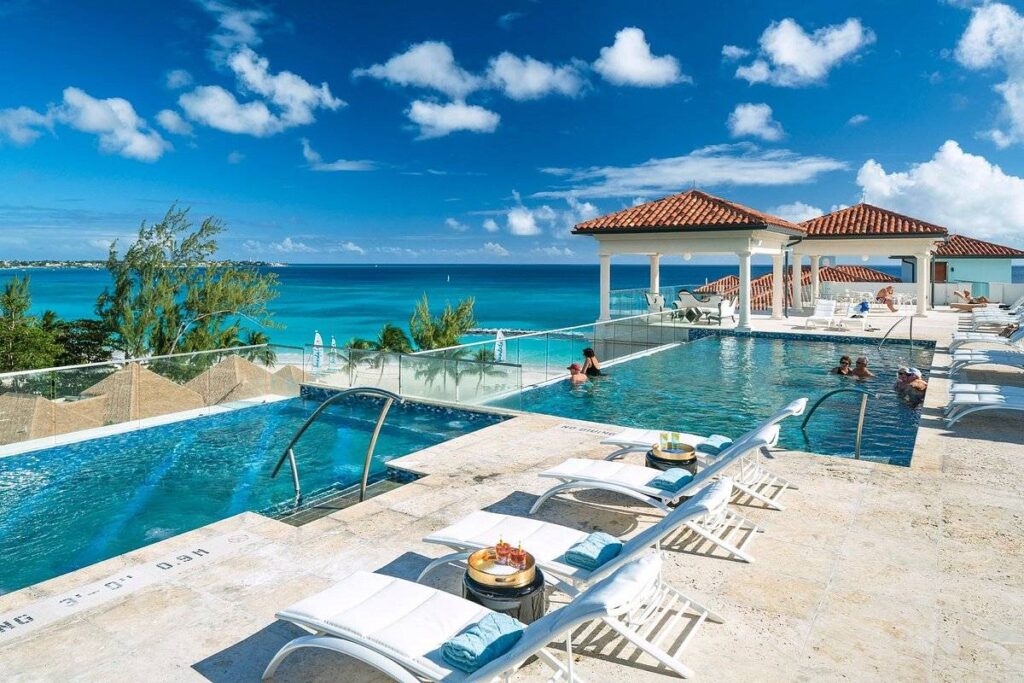
Barbados: The Crane Resort—Elevated Comfort When Weather Turns
Barbados sits closer to the storm corridor than Aruba or Curaçao, but it is still considered lower risk than much of the northern chain.
The island also invests heavily in preparedness and public hurricane readiness, which supports stable resort operations. (Reuters)
The Crane Resort is perched above the shoreline, giving it a naturally elevated setting and a long track record as one of Barbados’s most established resort properties. (The Crane Waiver)
The advantage in storm season is that elevation and robust on-site systems help the resort remain comfortable even when weather turns unsettled.
You still want to check the resort’s hurricane policy before booking, because refund rules vary by property.
But in most seasons, the reality in Barbados is that you’re more likely to see short passing showers than full itinerary shutdowns.
If you’re trying to keep protection affordable while still covering hurricane-related interruption or delay, Ekta is a good fit.
Ekta plans typically offer strong core coverage at a lower daily cost, which works well for resort travelers who already reduced their storm odds by choosing a southern destination.
The emotional comfort comes from knowing that if a rare storm does push close, your unused nights and transport changes don’t become money you simply lose.
Grenada: Silversands—Modern Storm-Ready Luxury on Grand Anse
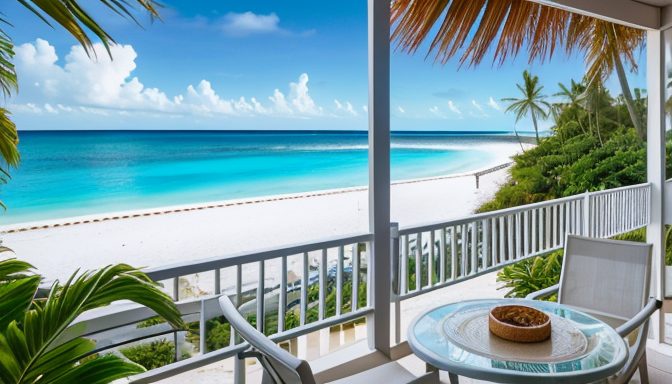
Grenada is a southern Caribbean island with lower direct-hit frequency than the central and northern chain, and it has been strengthening resilience and preparedness across infrastructure after recent regional storm events.
Silversands Grenada is a modern luxury beach resort on Grand Anse, designed within the current era of coastal engineering and storm-aware construction norms.
What makes Silversands especially storm-season-friendly is the combination of safer island positioning and strong resort flexibility.
Grenada vacations often blend beach time with spice estates, waterfall hikes, and marine experiences, so even a breezier day still has plenty of value.
Turn Your Next Getaway into Magic.
Discover your perfect resort match
For families, couples, or groups booking multiple rooms, Insubuy is a strong planning tool here.
Because it aggregates plans from multiple carriers, you can filter quickly for hurricane-aware cancellation and interruption terms and make sure everyone in the trip is protected under matching rules. (Reuters)
That shared alignment matters most for destination weddings and group resort trips, where one disruption can affect a lot of prepaid deposits at once.
Trinidad & Tobago: Magdalena Grand—Southern Latitude Calm and Resort Scale
Trinidad and Tobago sit at the far southern edge of the Caribbean and are historically among the least hurricane-exposed mainstream destinations.
If you want a storm-season resort week with the best odds of calm weather, this latitude advantage is hard to beat.
Magdalena Grand Beach & Golf Resort in Tobago is a major beachfront property with a wide range of on-site options, from pools to golf to guided nature activities.
The practical storm-season benefit is that Tobago rarely enters the direct storm lane, and the resort’s scale means you have plenty to do even if you catch a rainy stretch.
This is also a trip where flight disruption is the most plausible risk.
If a storm elsewhere in the Caribbean or in your U.S. connection hub triggers cancellations, Compensair can help you pursue airline compensation on eligible routes, while your travel policy handles lodging, meals, and rebooking costs right away.
Compensair isn’t a guarantee in weather cases, because severe weather is often treated as an extraordinary circumstance under passenger-rights rules, but it can still be valuable when your situation qualifies. (Caribbean Hotel & Tourism Association)
Used together, insurance plus compensation support is what keeps a rare travel hiccup from turning expensive.
Real Hurricane Scenarios—and How Resorts and Insurance Save Your Trip
Storm safety becomes real when you imagine actual trip outcomes.
Here’s what these choices protect you from, in plain terms.
A storm forms before your Curaçao departure, and Baoase offers a rebooking window to shift dates.
VisitorsCoverage can reimburse prepaid flights and activities if covered storm triggers are met, so you’re not stuck with non-refundable pieces even if the resort is flexible. (Reuters)
A system drifts toward Barbados mid-week, and The Crane adjusts operations while authorities recommend early coastal departures.
World Nomads interruption coverage can help with unused nights and transport changes, so your safety pivot doesn’t become a financial loss.
Your Aruba flight is canceled because a storm shuts down Miami, even though Aruba stays sunny.
Ekta or another hurricane-aware policy covers hotel and meal costs during the delay, and Compensair is your follow-up route if your itinerary qualifies for airline compensation.
A snorkeling day from Silversands is canceled due to rough seas, and the operator can’t offer a refund.
A plan you selected through Insubuy may reimburse eligible prepaid excursion losses, protecting the activity value that made the trip special. (Reuters)
The shared lesson is that safer resorts reduce disruption odds, but coverage protects you from the ripple effects that geography can’t prevent.
Storm-Safe Caribbean Resorts for Stress-Free Travel
If you want the Caribbean in hurricane season without living in forecast anxiety, start with safer southern islands.
Aruba, Curaçao, Barbados, Grenada, and Tobago consistently offer lower direct-impact odds than the northern chain, and that positioning is the foundation of storm-safe resort planning.
Then choose resorts that combine modern coastal build standards, clear hurricane procedures, and flexible guest support.
Hyatt Regency Aruba, Baoase Curaçao, The Crane in Barbados, Silversands Grenada, and Magdalena Grand Tobago are reliable picks precisely because they sit in places where storms rarely arrive at full strength, and they are used to running stable operations through summer and fall.
Finally, protect the money you commit.
VisitorsCoverage and Insubuy help you compare hurricane-aware plans early, World Nomads supports excursion-heavy resort trips, Ekta keeps core protection affordable, and Compensair handles airline-rights recovery when your route qualifies. (Reuters)
Do that, and hurricane season stops feeling like a gamble.
It becomes a smart way to enjoy the Caribbean when resorts are quieter, pricing is softer, and the experience can feel even more personal.
FAQ – How Can Storm Safe Caribbean Resorts Make Hurricane Season Travel Feel Calm?
How Do Storm Safe Caribbean Resorts Actually Reduce Hurricane Season Risk for Travelers?
Storm safe Caribbean resorts reduce risk by combining safer geography with strong on‑property protocols.
Islands like Aruba, Bonaire, Curaçao, Trinidad and Tobago, Barbados, and Grenada sit at or below the main hurricane belt, so direct hits are historically less frequent.
Resorts such as Hyatt Regency Aruba, Baoase Luxury Resort in Curaçao, The Crane Resort in Barbados, Silversands Grenada, and Magdalena Grand Beach & Golf Resort in Tobago then layer modern coastal building standards, clear hurricane procedures, and flexible guest support on top of that geographic advantage.
Together, those choices turn storm season from a vague gamble into a calculated, lower‑probability risk.Why Are Far Southern Islands Like Aruba, Curaçao, Barbados, Grenada, And Tobago Considered Safer in Hurricane Season?
Far southern islands are considered safer because most hurricanes curve north before reaching their latitude.
Long‑run storm records show that Aruba, Bonaire, Curaçao, Trinidad and Tobago, Barbados, and Grenada sit below or near the edge of typical tracks, so direct landfalls are much less common than in the northern chain.
Fringe impacts—swells, rain bands, or breezy days—can still happen, but the odds of a full‑strength hurricane hitting your resort week are significantly lower.
Choosing one of these islands is the single strongest move you can make before you even pick a property or buy insurance.What Makes Hyatt Regency Aruba a Strong Storm Season Choice on Palm Beach?
Hyatt Regency Aruba stands out because it pairs Aruba’s low hurricane exposure with a full‑service resort on one of the island’s most stable shorelines.
Palm Beach usually offers calm water, and Aruba’s dry climate—around 18 inches of rain annually, with brief showers—means late‑August or September often feels like normal summer rather than constant weather monitoring.
The resort’s scale, pools, dining, and casino give you plenty to do even if a windy day rolls through.
For travelers, this combination of geography, climate, and amenities makes pre‑booking excursions and activities feel far less risky than on more exposed islands.How Does Baoase Luxury Resort in Curaçao Support a Calm Hurricane Season Experience?
Baoase Luxury Resort benefits from Curaçao’s position on the outer fringe of the hurricane belt and from its own boutique design.
Curaçao has a long history of rare direct hurricane strikes, so resort operations—dining, spa, and excursions—usually run on normal schedules through September.
Baoase’s private villas and sheltered beachfront create a contained, manageable environment if weather turns breezy.
When guests add coverage from a provider like World Nomads for diving, beach‑hopping, and cultural touring, they protect the prepaid experiences that make Curaçao special, turning storm season into a time to enjoy the island with fewer crowds rather than a period to fear.Why Is the Crane Resort in Barbados Highlighted for Hurricane Season Comfort and Safety?
The Crane Resort is highlighted because its elevated clifftop setting and established infrastructure help it stay comfortable when weather becomes unsettled.
Barbados sits closer to the storm corridor than Aruba or Curaçao but still carries lower risk than many northern islands and invests heavily in public preparedness.
The Crane’s height above the shoreline, robust on‑site systems, and long operating history give it an advantage when seas are rough or rain bands pass through.
Travelers who pair a stay here with affordable hurricane‑aware coverage from Ekta gain both physical resilience and financial protection if a rare storm forces itinerary changes.What Makes Silversands Grenada a Modern Storm Ready Option on Grand Anse Beach?
Silversands Grenada is designed within contemporary coastal engineering norms, which means its structures, pools, and beachfront layout reflect current storm‑aware standards.
Grenada itself has lower direct‑hit frequency than the central and northern Caribbean and has been strengthening infrastructure after recent regional storms.
Vacations here often mix beach time with spice estates, waterfalls, and marine experiences, so a breezier day doesn’t erase the trip’s value.
When families or groups use Insubuy to align hurricane‑aware cancellation and interruption terms across all rooms, they turn Silversands into a hub where both the property and the planning are built for storm‑season realities.How Does Magdalena Grand Beach & Golf Resort in Tobago Use Its Southern Latitude to Benefit Guests?
Magdalena Grand leverages Tobago’s far southern latitude, which historically keeps it outside the main hurricane lane.
This positioning means resort weeks here have some of the best odds of calm weather during storm season among mainstream Caribbean destinations.
The property’s scale—pools, golf, and guided nature activities—ensures there is plenty to do even if a rainy stretch arrives.
Because the most likely disruption is flight‑related rather than a direct hit, travelers often pair their stay with insurance that covers delays and missed connections, and may use Compensair when passenger‑rights rules apply, keeping a rare travel hiccup from becoming an expensive surprise.How Do Planning Partners Like VisitorsCoverage, World Nomads, Ekta, Insubuy, And Compensair Work Together for Storm Season Trips?
These partners cover different parts of the risk puzzle.
VisitorsCoverage and Insubuy let you compare multiple insurers, hurricane triggers, and limits early, which is crucial when you’re booking non‑refundable resort nights and excursions.
World Nomads fits itineraries that mix resort stays with diving, tours, and day trips, especially in places like Curaçao or Grenada.
Ekta focuses on strong core protections—cancellation, interruption, medical, evacuation—at lower daily cost, a good match for southern islands where you’ve already reduced storm odds.
Compensair then helps pursue airline compensation on eligible routes when cancellations or denied boarding occur. Used together, they turn unpredictable weather into defined, manageable scenarios.What Real Hurricane Season Scenarios Does This Kind of Planning Actually Protect Against?
This planning protects against both direct and indirect disruptions.
You might see a storm form before a Curaçao departure and use Baoase’s rebooking window plus VisitorsCoverage to recover flights and activities.
A system could drift toward Barbados mid‑week, prompting The Crane to adjust operations while World Nomads interruption coverage helps with unused nights and transport changes.
An Aruba flight might be canceled because a storm shuts down a U.S. hub, with Ekta or similar coverage handling hotel and meal costs and Compensair pursuing airline compensation when rules allow.
Even a canceled snorkeling day from Silversands can be reimbursed if you chose a plan through Insubuy that covers prepaid excursions.What Core Steps Turn Hurricane Season Caribbean Resort Travel from a Gamble into a Strategy?
Three core steps make storm‑season resort travel strategic.
First, start with safer southern islands—Aruba, Curaçao, Barbados, Grenada, and Tobago—where long‑term storm odds are lower.
Second, choose resorts that combine modern coastal build standards, clear hurricane procedures, and flexible guest support, such as Hyatt Regency Aruba, Baoase, The Crane, Silversands, and Magdalena Grand.
Third, protect your investment early with hurricane‑aware coverage compared through VisitorsCoverage or Insubuy, adding World Nomads, Ekta, and Compensair where they fit your itinerary.
When you do all three, hurricane season becomes a deliberate way to enjoy quieter, better‑priced Caribbean stays instead of a roll of the dice.