

Don’t Let One Problem Ruin Your Vacation
A few seconds now protects the trip you’ve already invested so much into.
Short Excerpt
- Hurricane travel insurance protects more than a resort reservation by addressing eligible cancellations, interruptions, delays, medical emergencies, evacuation, and other prepaid losses.
- Timing is critical because storm-related benefits generally depend on purchasing coverage before the hurricane becomes a known event under the policy.
- Resort cancellation policies and airline waivers can help, but they often leave transfers, excursions, replacement lodging, and other expenses exposed.
Quick Take
- Buy travel insurance soon after your first nonrefundable trip payment rather than waiting for hurricane forecasts to become concerning.
- Trip cancellation applies before departure, while trip interruption can protect eligible unused costs and additional expenses when a storm cuts your resort stay short.
- Delay coverage becomes especially valuable when hurricanes disrupt connecting airports even though your Caribbean resort remains open.
- Emergency medical and evacuation benefits deserve attention on smaller islands where specialized treatment may require transportation elsewhere.
- Prepaid excursions can represent another financial gap, so verify whether eligible tours and activities are included in the trip cost you insure.
- CFAR can provide additional cancellation flexibility, but reimbursement is usually partial and strict purchase and cancel-by deadlines apply.
Where Hurricane Travel Insurance Fills The Gaps Your Resort And Airline Can Leave Behind
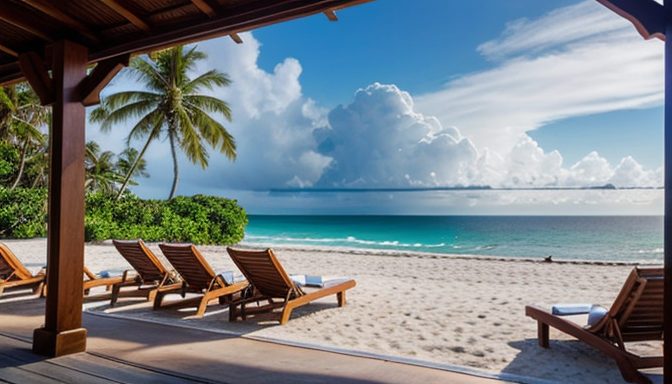
A resort vacation should feel like an escape—not a financial gamble.
During hurricane season, skipping travel insurance is like leaving your passport on the plane.
One named storm can cancel flights, shut down your resort, and erase your prepaid plans.
The right hurricane travel insurance doesn’t just protect your wallet—it protects your peace of mind.
Many travelers assume that if their airline offers a refund or their resort rebooks them, they’re covered.
But that’s rarely the case.
Flights may be refunded, but excursions, transfers, and non-refundable resort nights often aren’t.
Without comprehensive coverage, you’re left absorbing the cost of a vacation that never happened.
Why Hurricane Travel Insurance Is Essential for Resort Vacations
Hurricane coverage isn’t just for cruise passengers or backpackers.
It’s essential for resort-goers, because resorts are fixed-location investments.
You’re not mobile, flexible, or able to reroute like you might be on a road trip.

Paradise Is Calling Your Name
Explore Sandals & Beaches deals
If your resort closes, your entire itinerary collapses.
And if a storm disrupts your flight path, you can lose multiple nights before you even arrive.
Caribbean hurricane season runs from June 1 to November 30, with peak activity usually August through October.
That timing overlaps perfectly with resort travelers chasing summer deals, family schedules, and shoulder-season calm.
The risk isn’t hypothetical.

Recent storms have triggered evacuations, airport shutdowns, and widespread resort disruptions across parts of the Caribbean and nearby coastal regions.
Even when your island avoids a direct hit, ripple effects can still derail the trip.
A storm hundreds of miles away can close your connection hub, delay your baggage for days, or create power and supply disruptions that make a resort temporarily uninhabitable.
Travel insurance with hurricane protection ensures you’re not paying for a vacation you couldn’t take.
It also gives you options.
You can rebook, recover costs, and make decisions based on safety—not sunk costs.
What Hurricane Travel Insurance Covers—and Where Gaps Can Hurt You
Understanding coverage is the difference between “I’m protected” and “I thought I was protected.”
Many travelers buy insurance assuming the word “weather” covers everything.
It doesn’t.
Policies define hurricanes in specific ways, and timing rules matter.
Here’s what strong hurricane-season resort policies usually cover, and where gaps can appear.
Trip Cancellation
Trip cancellation is the benefit you use when you can’t take the trip at all.
If a hurricane forces your resort to close, makes your destination unsafe, or causes official service shutdowns that prevent travel, cancellation benefits can reimburse your prepaid, non-refundable costs up to your limit.
For resort travelers, that includes deposits, prepaid nights, and often bundled packages.
It can also include prepaid excursions if they were insured as part of your trip cost.
The important detail is this.
A hurricane becomes a “foreseeable event” the moment it is officially named.
If you buy insurance after the storm is named, hurricane-related claims tied to that event are typically excluded.
Escape the Chaos. Upgrade to Paradise.
See today’s exclusive offers

Trip Interruption
Trip interruption covers you after the vacation has started.
If you’re already at the resort and a storm forces an early departure or relocation, interruption benefits can reimburse unused nights and certain extra costs to get home or move to safety.
This is critical for resort vacations, because mid-stay evacuations are where travelers lose money quickly.
You’ve already paid for the week.
You might need to fly out early.
You may need a last-minute hotel in a transit city.
Interruption coverage is built for that exact chain of events.
Trip Delay
Trip delay coverage is the quiet hero of hurricane season.
If your flight is delayed or canceled due to severe weather, delay benefits can pay for hotels, meals, and basic essentials while you wait, once your delay passes the plan’s hour threshold.
This matters because many Caribbean routes connect through storm-prone hubs even when your destination is calm.
A system near Miami or Atlanta can strand you far from your resort.
Trip delay coverage keeps that disruption from turning into a surprise bill before your vacation even begins.
Emergency Medical And Evacuation
Emergency medical coverage pays for treatment abroad if you get sick or injured.
Emergency evacuation coverage pays to transfer you to a facility that can treat you, or to get you home if needed.
During storms, these benefits become even more important.
Injuries can happen in rough conditions, and local healthcare systems can be strained when weather affects utilities and transport.
If you’re on a smaller island and need specialized care, evacuation costs can reach tens of thousands of dollars without insurance.
This is the part of coverage you hope you never use, but you never want to lack.
Find the Escape You’ve Been Craving.
Reveal limited‑time Caribbean deals
Excursions And Prepaid Activities
Some policies reimburse prepaid excursions or tours canceled for covered reasons like severe weather.
That’s a meaningful layer for resort travelers who prepay snorkeling trips, catamarans, guided hikes, or island hops.
A storm often doesn’t wipe out the entire week.
It wipes out specific days.
If your high-cost days were prepaid, excursion coverage prevents “silent losses” that add up fast.
What’s Not Covered
Two exclusions trip people up more than anything else.
First, anything tied to a storm that was named before your policy took effect.
That’s the foreseeable-event rule, and it’s standard across the industry.
Second, voluntary cancellations because you feel worried.
Standard policies require a covered reason.
If you back out purely for comfort, you’ll need Cancel For Any Reason coverage to receive reimbursement.
When to Buy Hurricane Travel Insurance—and Why Timing Changes Everything
Timing is the whole game in hurricane season.
The biggest mistake travelers make is waiting until the forecast looks risky.
By then, a storm may be named, and hurricane-related claims tied to it won’t be covered.
The safest move is buying travel insurance right after your first trip deposit.
That locks in protection for storms that form later, and it keeps your trip eligible for time-sensitive upgrades.
Cancel For Any Reason coverage is the most time-sensitive upgrade of all.
Most CFAR options require purchase within a short window after your initial deposit, often about 14–21 days depending on the plan.
CFAR also usually requires canceling at least 48 hours before departure to qualify.
If you’re booking a resort trip between June and November, that early purchase window is your leverage.
Use it, then relax.
CFAR Coverage: The Emotional Safety Net for Hurricane-Season Resort Trips
CFAR is the only benefit that covers emotional uncertainty.
It lets you cancel for personal reasons and still recover part of what you prepaid.
Most CFAR benefits reimburse about 50% to 75% of your non-refundable trip cost, depending on the plan.
That matters in hurricane season because storms create gray zones.
Maybe your destination is technically open, but your flight path is unstable.
Maybe the system is tracking close enough to make you uncomfortable traveling with kids or older relatives.
Maybe you simply don’t want to spend a week watching radar.
Standard insurance won’t cover those reasons.
CFAR gives you a practical escape hatch, as long as you buy it early and follow the cancel-by rules.
It doesn’t return every dollar.
But it returns enough to keep your plan flexible and your mind calm.
Turn Your Next Getaway into Magic.
Discover your perfect resort match
Top Hurricane Travel Insurance Providers for Resort Travelers—and How They Differ
Not all providers handle hurricane risk the same way.
Some are strongest on flexibility.
Some are built for excursion-heavy resort weeks.
Some help you compare multiple insurers clearly.
And some recover airline compensation that travel insurance doesn’t touch.
Here’s how your approved partners fit into hurricane-season resort travel.
World Nomads
World Nomads is a strong fit for resort travelers who want more than pool time.
Their plans are designed around active travel, and they cover a long list of common Caribbean activities such as snorkeling, scuba, hiking, and boat excursions.
That makes them particularly useful in storm season, because rough seas and heavy rain most often disrupt the activity side of a resort trip.
World Nomads includes trip cancellation and trip interruption for covered natural disasters if your policy was purchased before the storm was named.
They also offer CFAR on select plans when purchased in the time-sensitive window, which gives you personal flexibility if your comfort level changes.
Medical and evacuation benefits are part of their core posture too, which matters if you’re traveling to smaller islands with limited specialized care.
If your resort vacation is part beach, part exploring, World Nomads protects the trip you’re actually planning.
VisitorsCoverage
VisitorsCoverage is built for travelers who want to choose the right plan rather than accept a single preset option.
Their platform compares multiple insurers and highlights policies that include hurricane clauses, resort-closure protections, and trip delay benefits.
This is helpful because not every Caribbean destination carries the same storm exposure, and your policy should match your real-world risk.
Many plans available through VisitorsCoverage include CFAR upgrades when purchased early, which makes the platform a strong fit for travelers who want emotional flexibility in peak months.
VisitorsCoverage is also a clean choice for families and groups because it’s easy to quote for multiple travelers and tailor limits to your full prepaid cost.
If you want hurricane-ready protection without guesswork, this is a practical place to start.
Ekta
Ekta is a smart option for travelers who want solid storm-season medical protection at a budget-friendly daily cost.
Ekta emphasizes emergency medical and evacuation coverage, which is the non-negotiable safety backbone of hurricane travel insurance.
Depending on the specific plan you select, trip cancellation, interruption, and delay benefits can respond to covered storm disruptions, as long as your policy is active before the storm is named.
Ekta is especially attractive for longer resort stays or lower-risk islands where you want reliable protection without paying for layers you don’t need.
CFAR availability is not their primary strength, so if emotional cancellation flexibility is your top priority, you’ll want to confirm that upgrade carefully or choose another provider.
But if your focus is strong health protection plus dependable hurricane-season trip benefits, Ekta fits well.
Insubuy
Insubuy works best when your resort trip is complex or group-based.
They aggregate plans from multiple insurers and let you filter for hurricane coverage, uninhabitable-destination clauses, interruption limits, and CFAR options.
That side-by-side view matters because “hurricane coverage” is not identical across policies.
Some plans trigger on resort closure.
Some require a formal evacuation order.
Some reimburse activities, others don’t.
Insubuy helps you see those differences up front, which is priceless for weddings, reunions, or multi-room bookings where one cancellation can affect the whole group.
If your itinerary has moving parts, Insubuy is your clarity tool.
Compensair
Compensair is not travel insurance.
It’s a flight-compensation service that helps travelers recover money from airlines when delays or cancellations qualify under passenger-rights rules.
Storm season creates flight chaos, and many travelers never file compensation claims because the process is time-consuming and confusing.
Compensair handles that paperwork on a no-win, no-fee basis, meaning you only pay if they succeed.
This is useful for resort travelers because insurance may cover your hotel and meals during delays, while airline compensation can add an additional payout when eligible.
Think of Compensair as your airline-side backup to your hurricane insurance plan.
Used together, they close a common storm-season gap.
How to Hurricane-Proof Your Resort Vacation Before the Forecast Turns
Preparation is your best defense.
Here’s the resort traveler approach that protects your time, your money, and your calm.
Book Smart
Choose resorts with clear storm-season policies and strong infrastructure.
Look for properties that communicate early, have backup power, and offer realistic rebooking terms.
Storm season is not a surprise to experienced resorts, and the best ones operate with quiet competence when forecasts get busy.
Insure Early
Buy your policy when you make your first trip deposit.
That’s the moment you lock in eligibility for named-storm coverage and time-sensitive upgrades like CFAR.
Track Storms Like A Planner
Use NOAA updates, local advisories, and resort alerts.
Check once a day, not every hour.
Your goal is awareness, not anxiety.
If a system becomes meaningful, your resort will communicate what you need to know.
Save Receipts
Keep confirmation emails and prepaid expense receipts for flights, transfers, excursions, and resort nights.
Clean documentation makes claims smooth.
Storm-season claims are easiest when your paper trail is ready.
Know Your Policy Triggers
Before you travel, highlight the clauses you might need.
Named storm timing.
Destination uninhabitable definitions.
Delay thresholds.
CFAR rules if you bought it.
Knowing the trigger points turns a stressful moment into a simple checklist.
How Hurricane Travel Insurance Turns Risk Into Calm
Hurricane season doesn’t mean you can’t take a resort vacation.
It means you need to protect the plan before weather becomes a headline.
Buy early enough to qualify for named-storm protection.
Insure the full prepaid cost, not just your flight.
Consider CFAR if uncertainty would ruin your peace of mind.
And choose a provider whose strengths match your trip style.
When you do that, storms stop being financial threats.
They become what they should be.
A forecast you can calmly plan around.
FAQ – How Do I Keep My Resort Vacation Safe During Hurricane Season?
How Does Hurricane Season Actually Put My Caribbean Resort Vacation at Risk Even Before a Storm Hits My Island?
Hurricane season can disrupt a resort trip long before a storm reaches your specific island.
Flight routes often pass through storm‑prone hubs like Miami or Atlanta, and a system near those airports can cause cancellations, missed connections, and lost nights at your resort.
Even distant storms can trigger power issues, supply problems, or safety concerns that make a resort temporarily uninhabitable.
Understanding these ripple effects helps you see why a fixed‑location vacation needs protection that goes beyond just the flight.What Parts of a Resort Trip Are Most Exposed If I Skip Hurricane Travel Insurance?
The most exposed pieces are prepaid, non‑refundable costs such as resort deposits, full‑week packages, airport transfers, and excursions like snorkeling trips or catamaran tours.
Airlines may offer credits or refunds during major storms, but resorts and activity providers often do not cover weather‑related losses.
Without insurance, you can end up paying for a vacation you never fully experience.
Seeing where money is locked in helps you decide how much of your trip cost should be insured.Why Is Buying Hurricane Travel Insurance Right After My First Resort Deposit So Important?
Buying insurance immediately after your first deposit locks in protection before any storm becomes a “foreseeable event.”
Once a hurricane is officially named, many policies exclude new claims tied to that system.
Early purchase also keeps you eligible for time‑sensitive upgrades like Cancel For Any Reason (CFAR), which often require buying within a short window after booking.
Treating insurance as part of the booking step—not a last‑minute add‑on—gives you the widest safety net for the season.How Does Trip Cancellation Coverage Specifically Help Resort Travelers During Hurricane Season?
Trip cancellation coverage reimburses prepaid, non‑refundable costs when a hurricane makes travel unsafe or impossible.
For resort guests, that usually includes deposits, full‑week stays, bundled packages, and insured excursions.
If your resort closes or official services shut down, cancellation benefits step in so you’re not left absorbing the entire bill.
This matters because a resort vacation is built around one location—when that location goes offline, your whole itinerary collapses.What Happens If a Hurricane Forces Me to Leave My Resort Early and How Does Trip Interruption Respond?
If a storm forces you to cut your stay short or relocate, trip interruption coverage can reimburse unused nights and certain extra costs to get home or move to a safer place.
You might need a last‑minute flight, a hotel in a transit city, or new ground transport.
Those expenses add up quickly when you’ve already paid for the week.
Interruption benefits are designed for that chain of events, turning an emergency departure into a manageable financial situation instead of a second unexpected bill.Why Is Trip Delay Coverage So Valuable For Caribbean Resort Vacations With Connecting Flights?
Trip delay coverage pays for hotels, meals, and essentials when severe weather delays your travel beyond the policy’s hour threshold.
Caribbean itineraries often rely on connections through storm‑sensitive airports, so a system near a hub can strand you even if your resort is calm and open.
Delay benefits keep those disruptions from becoming out‑of‑pocket surprises before or after your stay.
For travelers with tight budgets or family schedules, this coverage can be the difference between a stressful delay and a manageable pause.How Do Providers Like World Nomads, VisitorsCoverage, Ekta, Insubuy, And Compensair Fit Different Resort Travel Needs In Hurricane Season?
World Nomads suits travelers whose resort week includes active experiences such as snorkeling, scuba, hiking, and boat excursions, pairing those activities with trip cancellation, interruption, and medical benefits.
VisitorsCoverage works as a comparison platform, helping you find policies with hurricane clauses, resort‑closure protection, CFAR options, and strong trip delay coverage.
Ekta emphasizes emergency medical and evacuation benefits at a budget‑friendly daily rate, which is useful for longer stays or smaller islands.
Insubuy aggregates multiple insurers and lets you filter for hurricane triggers like uninhabitable‑destination clauses and CFAR, making it ideal for complex or group trips.
Compensair complements insurance by pursuing eligible airline compensation when storm‑season flight chaos meets passenger‑rights rules, adding a second layer of financial recovery.What Does Cancel For Any Reason (CFAR) Really Change for a Resort Trip During Uncertain Hurricane Forecasts?
CFAR adds flexibility when conditions feel uneasy but don’t meet standard covered reasons.
It allows you to cancel for personal or emotional reasons and still recover a portion—often 50% to 75%—of your non‑refundable trip cost.
This matters when your resort remains open but your flight path looks unstable, or when traveling with kids or older relatives makes borderline forecasts feel too risky.
CFAR usually requires early purchase and cancellation at least a set number of hours before departure, so it rewards planners who act early rather than waiting for the forecast to turn ominous.What Practical Steps Should I Take Before Traveling So Hurricane‑Related Claims for My Resort Stay Are Easier to File?
Before you travel, organize receipts and confirmation emails for flights, resort nights, transfers, and prepaid excursions.
Highlight key policy triggers such as named‑storm timing, definitions of an uninhabitable destination, delay thresholds, and CFAR rules if you added that upgrade.
During a disruption, document official advisories, resort closure notices, and evacuation instructions.
Having a clean paper trail turns a stressful moment into a straightforward checklist and speeds up reimbursement, which is especially important when you’re juggling family logistics or rebooking plans.How Can I Choose a Resort That Handles Hurricane Season Responsibly and Works Well with My Insurance Plan?
You can look for resorts that publish clear storm‑season policies, communicate early about forecasts, and maintain strong infrastructure such as backup power and realistic rebooking terms.
Properties that treat hurricane season as a known operational reality tend to manage disruptions calmly and transparently.
When a resort has solid procedures and your insurance covers named storms, interruptions, and delays, the two work together: the resort focuses on safety and logistics, while your policy protects the money you’ve already committed.
That combination lets you plan a Caribbean stay with more confidence, even in the heart of the season.