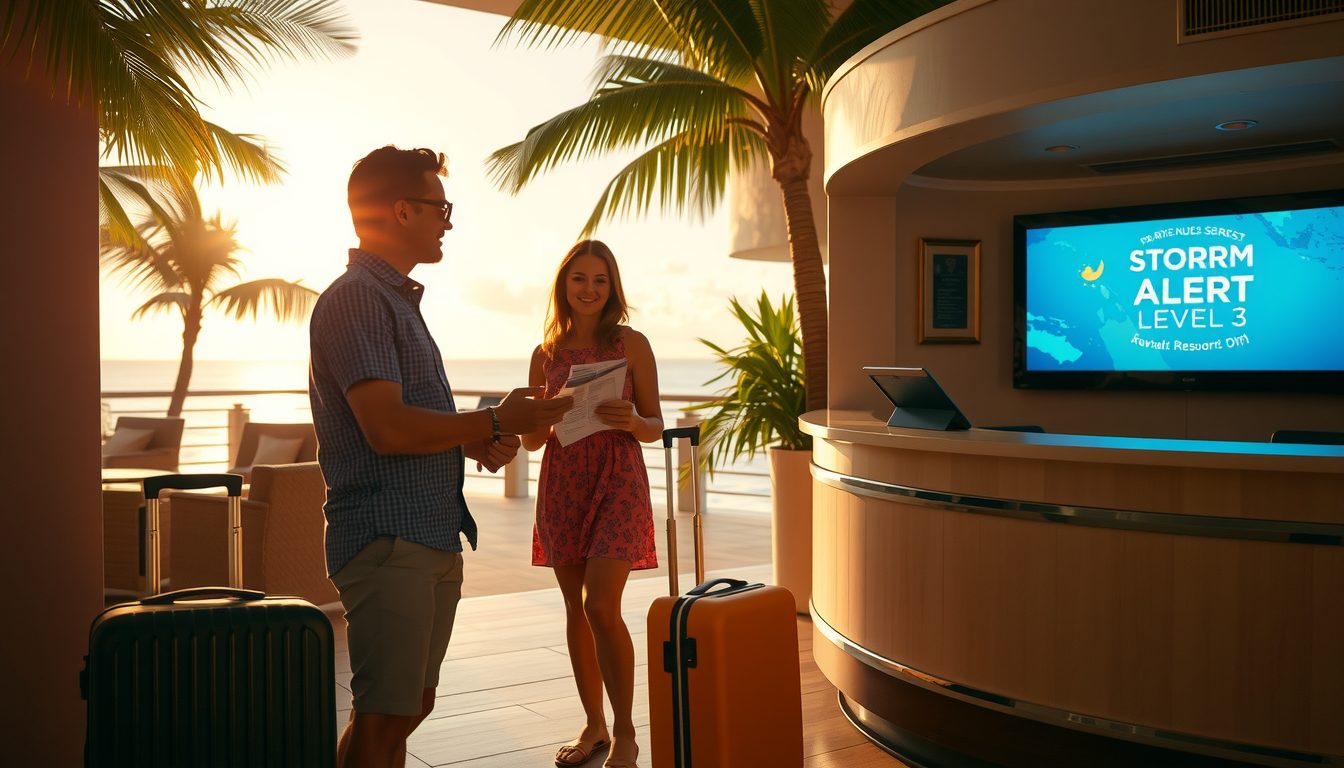

The Caribbean’s beauty comes with a seasonal challenge: hurricanes.
Every year from June through November, resorts across the region prepare for storms that can disrupt travel, damage infrastructure, and test emergency systems.
For resort guests, the question isn’t just if hurricanes happen—it’s how resorts handle them.
The answer is reassuring.
Caribbean resorts follow detailed hurricane protocols that prioritize guest safety, minimize property damage, and accelerate recovery.
See How Resorts Get Storm-Ready to Protect Guests
Preparation begins long before a storm forms.
Resorts follow structured emergency management guides, such as the Hurricane Management Guide for Hotels and Resorts and the Caribbean Hotel & Tourism Association Hurricane Procedures Manual.
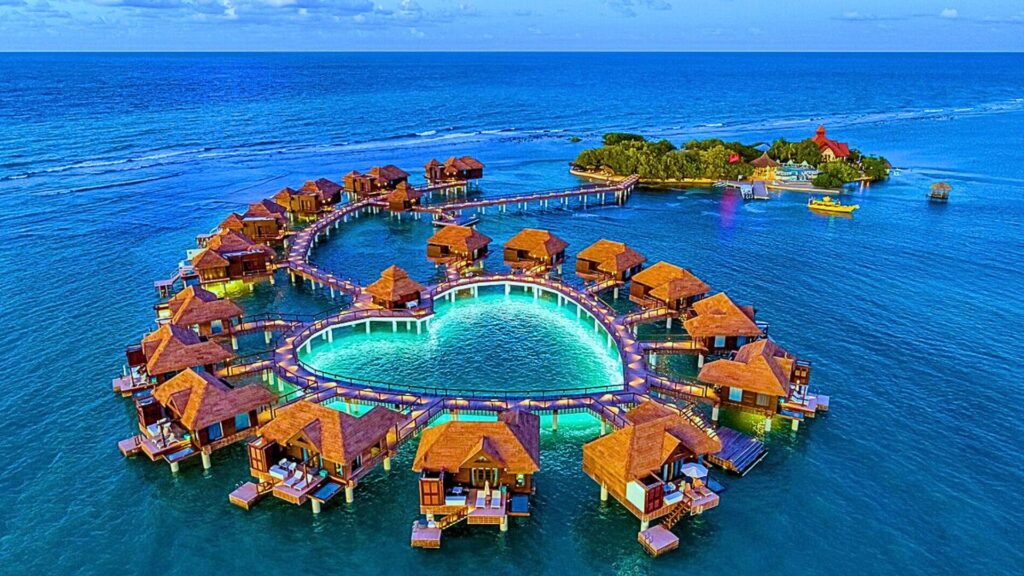
Paradise Is Calling Your Name
Explore Sandals & Beaches deals
These manuals outline planning, preparation, survival, and recovery phases.
Resorts invest heavily in infrastructure resilience.
Many properties are built with hurricane‑resistant materials, reinforced roofs, and storm shutters.
After Hurricane Irma, Peter Island Resort in the British Virgin Islands rebuilt with EnviroShake roofing, wind turbines, and upgraded water treatment systems to withstand future storms TravelPulse.
Preparation also includes:
- Supplies: Stockpiling food, water, medical kits, and fuel for generators.
- Training: Staff drills for guest relocation and sheltering.
- Communication: Clear updates via text, email, and in‑room notices.
- Coordination: Liaising with local governments, airports, and embassies.
By the time a storm is named, resorts already have checklists in motion.
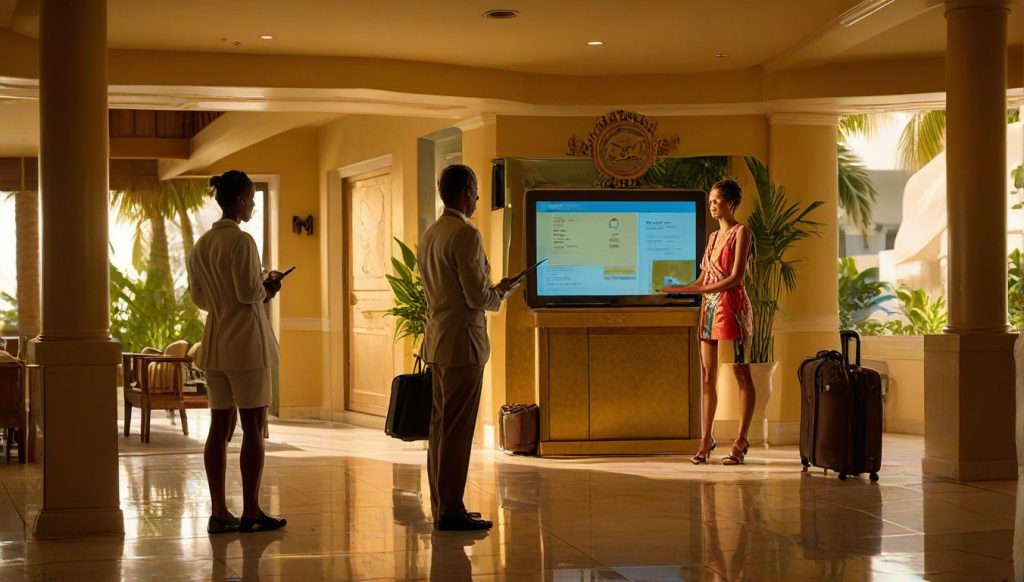
Watch Resorts Activate Safety Protocols When Storms Strike
When a storm approaches, resorts activate tiered safety protocols:
- 48 hours before impact: Outdoor furniture is secured, pools and beaches close, and excursions are canceled.
- 36 hours before impact: Guests may be relocated to reinforced ballrooms or interior shelters.
- During the storm: Staff remain with guests in safe zones, providing meals, water, and medical support. Backup generators maintain essential services.
Sheltering is highly organized.
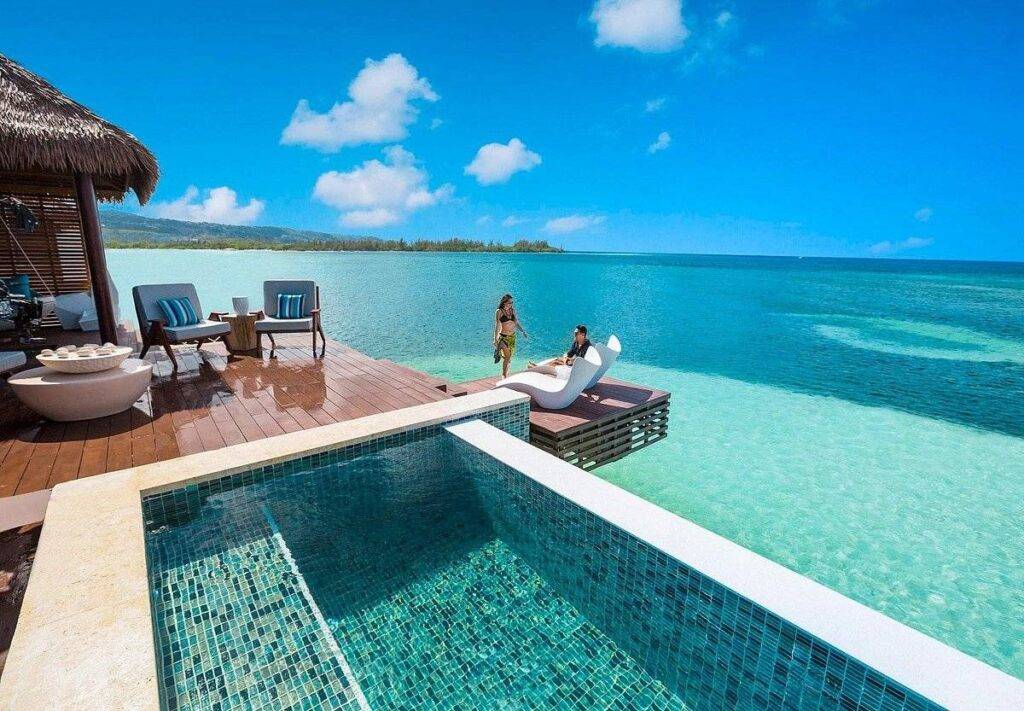
Escape the Chaos. Upgrade to Paradise.
See today’s exclusive offers
Resorts designate safe zones with reinforced walls, emergency lighting, and stocked supplies.
Staff rotate shifts to maintain calm, distribute meals, and monitor medical needs.
See How Resorts Reopen Quickly After Storms Pass
Recovery is often faster than travelers expect, but it follows a structured, multi‑phase process that resorts have refined over decades of experience.
Dedicated engineering teams, supply chain managers, and guest services staff all play a role in ensuring that operations resume safely and efficiently.
- Rapid reopening: Many resorts can reopen within days if damage is limited to landscaping or minor infrastructure.
Grounds crews clear debris, re‑secure pool areas, and test backup systems before welcoming guests back.
For example, after Hurricane Beryl in 2024, several Jamaican resorts reopened within 72 hours by focusing on restoring power, water, and safe beach access first.
Rapid reopening is not about rushing — it’s about prioritizing essential services so guests can return with confidence. - Phased operations: When damage is more significant, resorts reopen in stages.
Restaurants may operate with limited menus while supply chains stabilize, pools may remain closed until water quality is tested, and excursions resume only after safety inspections.
This phased approach allows resorts to generate revenue and reassure guests while continuing behind‑the‑scenes repairs.
Guests are often offered credits, upgrades, or alternative activities during this period, ensuring that even a partial reopening feels seamless. - Long‑term rebuilding: In cases of severe damage, such as after Hurricanes Irma and Maria in 2017, resorts may take months or even years to fully recover.
Long‑term rebuilding often includes hurricane‑resistant upgrades: reinforced roofing, elevated generators, improved drainage, and seawall reinforcements.
Resorts use these opportunities to “build back better,” ensuring that future storms cause less disruption.
For instance, Peter Island Resort in the BVI rebuilt with sustainable materials, wind turbines, and upgraded water treatment systems, turning a disaster into a long‑term investment in resilience.
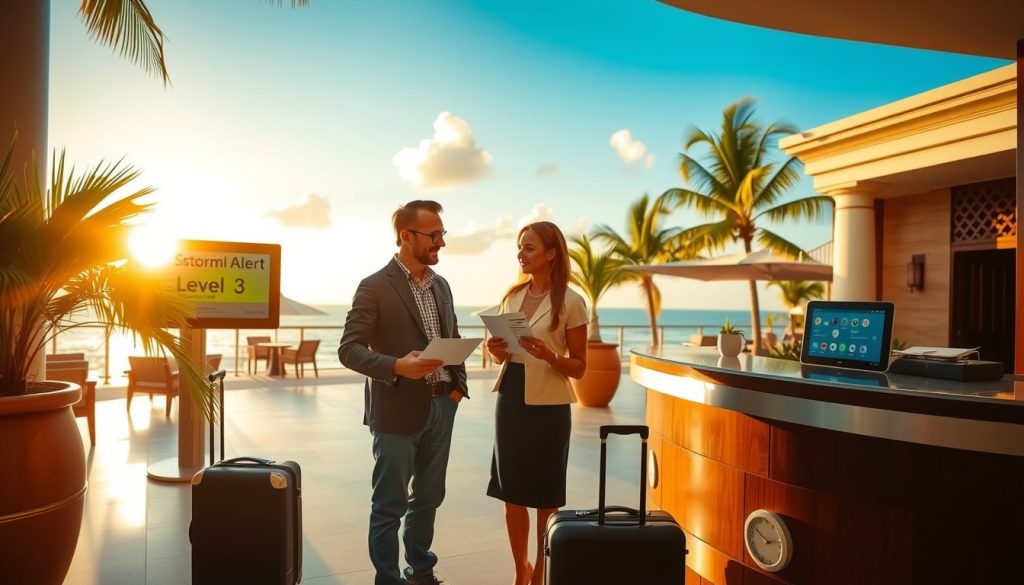
Feel Confident Knowing Resorts Are Built for Storm Safety
Storms may sound alarming, but resorts are among the safest places to be during a hurricane.
They are designed with reinforced structures, backup power, and trained staff.
Advisories and alerts are precautionary, not indicators of immediate danger.
For guests, the key is to trust resort protocols and follow staff guidance.
Find the Escape You’ve Been Craving.
Reveal limited‑time Caribbean deals
Protect Your Trip With Insurance That Covers Storm Disruptions
Even with strong resort protocols, hurricanes can disrupt flights, excursions, and prepaid bookings.
Travel insurance ensures you’re financially and medically protected.
VisitorsCoverage — Protection When Nature Forces a Change
VisitorsCoverage specializes in trip cancellation and interruption coverage.
If a hurricane forces your resort to close or your airline cancels flights, VisitorsCoverage policies reimburse prepaid, non‑refundable costs and cover rebooking expenses.
Ekta — Medical Security When the Unexpected Happens
Ekta provides robust international medical coverage, including hospitalization and evacuation.
If you’re injured or fall ill during a storm, Ekta ensures you have access to care even when local systems are strained.
Insubuy — Stability When Flights and Plans Collapse
Insubuy offers strong trip delay and rebooking benefits.
If flights are grounded due to a hurricane, Insubuy reimburses meals, hotels, and alternative transportation until service resumes.
Compensair — Extra Relief When Airlines Fail You
Compensair pursues airline payouts for cancellations, long delays, or denied boarding.
When hurricanes cause mass disruptions, Compensair ensures you don’t leave money on the table.
Learn What Past Storms Taught Caribbean Resorts About Recovery
- Hurricane Irma (2017): Destroyed several resorts in the Virgin Islands; Peter Island took seven years to rebuild with hurricane‑resistant upgrades.
- Hurricane Maria (2017): Puerto Rico resorts coordinated mass evacuations and reopened in phases.
- Hurricane Beryl (2024): Resorts in Jamaica and Barbados reopened within days, showing how improved infrastructure shortens closures.
Plan Smarter: Travel Confidently with Hurricane Awareness
- Check advisories early: Use the National Hurricane Center before booking.
- Book flexible flights: Choose fares that allow no‑fee changes.
- Confirm resort policies: Ask about hurricane guarantees and rebooking options.
- Pack a resilience kit: Medications, chargers, snacks, and flashlights reduce stress if you’re sheltered.
- Enroll in STEP: The Smart Traveler Enrollment Program provides real‑time alerts.
Turn Your Next Getaway into Magic.
Discover your perfect resort match
FAQ – How Resorts Handle Hurricanes in the Caribbean: Stay Safe, Stay Informed
What triggers a resort evacuation during hurricane season?
Resorts evacuate when government alerts escalate, storm surge risk rises, or infrastructure becomes compromised.
Internal thresholds—like wind speed, medical strain, or power vulnerability—activate early action.
These triggers are designed to protect guests before conditions become dangerous.Where do resorts send guests during an evacuation?
Guests may be relocated to reinforced ballrooms, inland hotels, or government shelters depending on severity and location.
Transportation is pre-arranged and coordinated with local agencies to ensure safe movement.
Resorts prioritize vulnerable guests and maintain clear communication throughout the process.How do resorts support guests with medical needs during evacuations?
Guests with mobility issues, chronic conditions, or special needs are prioritized for early evacuation.
Medical staff and supplies are staged in advance to support health needs during relocation.
Resorts coordinate with local hospitals and emergency services to ensure continuity of care.What happens after the evacuation ends?
Resorts assess damage, restore utilities, and reopen in phases based on safety and infrastructure readiness.
Guests are returned only when conditions are confirmed safe.
Dining, excursions, and amenities resume gradually, with long-term upgrades focused on storm resilience.Does travel insurance cover resort evacuations?
Yes—if purchased before the storm is named.
VisitorsCoverage reimburses unused nights and prepaid activities.
Insubuy covers flight delays and rebooking fees.
Ekta provides medical protection during inland relocations.
Compensair helps recover airline compensation for cancellations and denied boarding.What should travelers do before booking a Caribbean trip during hurricane season?
Review resort evacuation policies and ask about shelter partnerships.
Book flexible flights with no-fee change options.
Buy travel insurance at booking—coverage may be denied if a storm is already named.
Keep essentials like medications, chargers, and passports ready in case of sudden relocation.Are Caribbean resorts safe during hurricanes?
Yes. Resorts are built with reinforced structures, backup generators, and trained staff.
Guests are guided into safe zones with food, water, and medical support.
The real risk is disruption to travel plans—not your safety once you’re on property.