

Hurricanes are a reality of Caribbean and coastal travel—and they don’t just disrupt weather, they disrupt plans.
When the National Hurricane Center issues a warning, travelers face a critical question: can I cancel my resort stay without losing money?
The answer depends on resort policies, booking channels, and whether you’ve locked in travel insurance.
Some resorts offer full flexibility, while others leave you exposed.
Knowing your options before the storm hits can turn a financial disaster into a manageable inconvenience.
See How Resorts Respond When Hurricane Warnings Are Issued
- Direct bookings: Many resorts waive cancellation or change fees if the National Hurricane Center issues a warning for your destination.
- Third‑party bookings: If you booked through an OTA (Expedia, Priceline, etc.), their policies may differ. You’ll need to work through them, not the resort directly.
- Force majeure clauses: These legal provisions allow cancellations without penalty when events beyond control (like hurricanes) occur.
- Rebooking flexibility: Resorts often let you reschedule for a later date, though the same room type or rate may not be guaranteed.
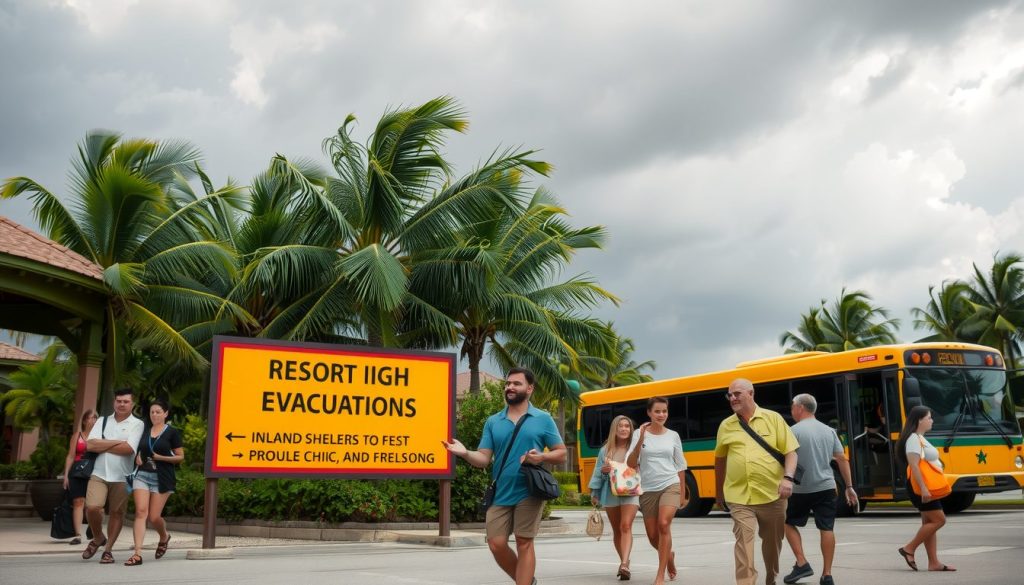
Protect Your Entire Trip With Hurricane-Ready Insurance
Even if your resort waives cancellation fees, you’re rarely protected across the entire trip ecosystem.
Flights, prepaid excursions, airport transfers, and bundled packages often remain non‑refundable.
A hurricane warning can trigger cascading disruptions: airlines cancel flights, airports close, and excursions are suspended.

Paradise Is Calling Your Name
Explore Sandals & Beaches deals
Without insurance, you may still lose hundreds or thousands of dollars even if the resort itself is flexible.
Travel insurance is the only tool that closes those gaps.
It transforms a hurricane warning from a financial disaster into a manageable inconvenience.
The right policy reimburses prepaid, non‑refundable costs, covers rebooking expenses, and protects you if you’re stranded or need medical care.
Here’s how the providers you’ve locked protect you in this exact scenario:
VisitorsCoverage — Protection When Nature Forces a Change
VisitorsCoverage offers trip cancellation and interruption coverage.
If a hurricane warning is issued and you decide not to travel, or if your resort closes, VisitorsCoverage reimburses prepaid, non‑refundable costs.
This is the primary shield for “Can I cancel?” scenarios.
Ekta — Medical Security When the Unexpected Happens
Ekta focuses on international medical coverage and evacuation.
If you travel and a storm escalates into a medical emergency (injury, illness, or evacuation), Ekta ensures you’re covered.
While not cancellation‑focused, it protects the health side of hurricane disruptions.
Insubuy — Stability When Flights and Plans Collapse
Insubuy provides strong trip delay and rebooking benefits.
If your flight is canceled due to a hurricane warning, Insubuy reimburses meals, hotels, and alternative transport.
It bridges the gap between resort flexibility and airline rigidity.
Escape the Chaos. Upgrade to Paradise.
See today’s exclusive offers

Compensair — Extra Relief When Airlines Fail You
Compensair pursues airline compensation for cancellations or delays.
If your flight is canceled because of a hurricane warning, Compensair ensures you don’t leave money on the table.
It’s the after‑the‑fact recovery tool that complements insurance.
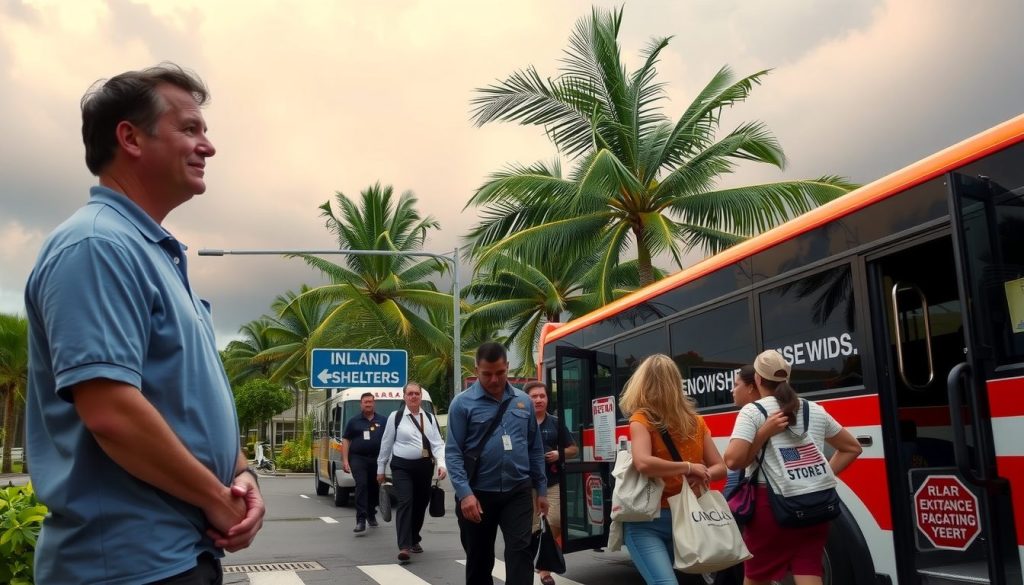
Learn What Past Hurricanes Taught Travelers and Resorts
- Hurricane Irma (2017): Many resorts waived cancellation fees, but travelers without insurance lost money on flights.
- Hurricane Maria (2017): Puerto Rico resorts closed for weeks; insured travelers recovered prepaid costs, uninsured travelers did not.
- Hurricane Beryl (2024): Resorts in Jamaica reopened quickly, but flight cancellations stranded travelers — those with Insubuy and Compensair coverage recovered costs.
Plan Smarter: Travel Confidently With Hurricane Awareness
- Check resort hurricane policies before booking.
- Book flexible flights that allow no‑fee changes.
- Buy travel insurance at booking — once a storm is named, new policies may exclude it.
- Enroll in STEP for real‑time government alerts.
- Pack a resilience kit with essentials in case you must shelter in place.
FAQ – Cancel or Rebook? What Hurricane Warnings Mean for Your Resort Stay
Can I cancel my resort stay if a hurricane warning is issued?
Most resorts waive cancellation or change fees when the National Hurricane Center issues a hurricane warning for your destination.
This policy protects guests from traveling into unsafe conditions and supports flexible rebooking.
Always confirm directly with your resort, as policies vary by brand and region.What if I booked through a third-party site like Expedia or Priceline?
Third-party bookings may not qualify for the resort’s hurricane policy.
You’ll need to work through the OTA’s customer service team, which can be slower during storm events.
Travel insurance helps protect you from delays, denials, or refund disputes in these cases.Does travel insurance cover cancellations due to hurricane warnings?
Yes—if purchased before the storm is named.
VisitorsCoverage offers cancellation and interruption protection for prepaid, non-refundable costs.
Without this coverage, you risk losing money even if your resort waives fees.What happens to my flights if I cancel my resort stay?
Airlines don’t always waive fees just because a resort does.
If your flight is canceled or delayed, Insubuy covers meals, hotels, and rebooking costs.
Compensair helps you recover compensation from the airline after the fact.What if I travel anyway and get stuck during the storm?
Resorts will shelter guests safely, but storms can still cause injuries, illness, or evacuation needs.
Ekta provides international medical coverage and evacuation support during hurricane disruptions.
This layer of protection is critical if you decide to travel despite the risks.When should I buy travel insurance for hurricane coverage?
Buy insurance at the time of booking.
Once a storm is named, new policies may exclude it from coverage.
Early purchase ensures protection for cancellations, delays, and medical emergencies tied to hurricanes.Are Caribbean resorts safe during hurricanes?
Yes. Resorts are built with reinforced structures, backup generators, and trained staff.
Guests are guided into safe zones with food, water, and medical support.
The real risk is disruption to travel plans—not your safety once you’re on property.