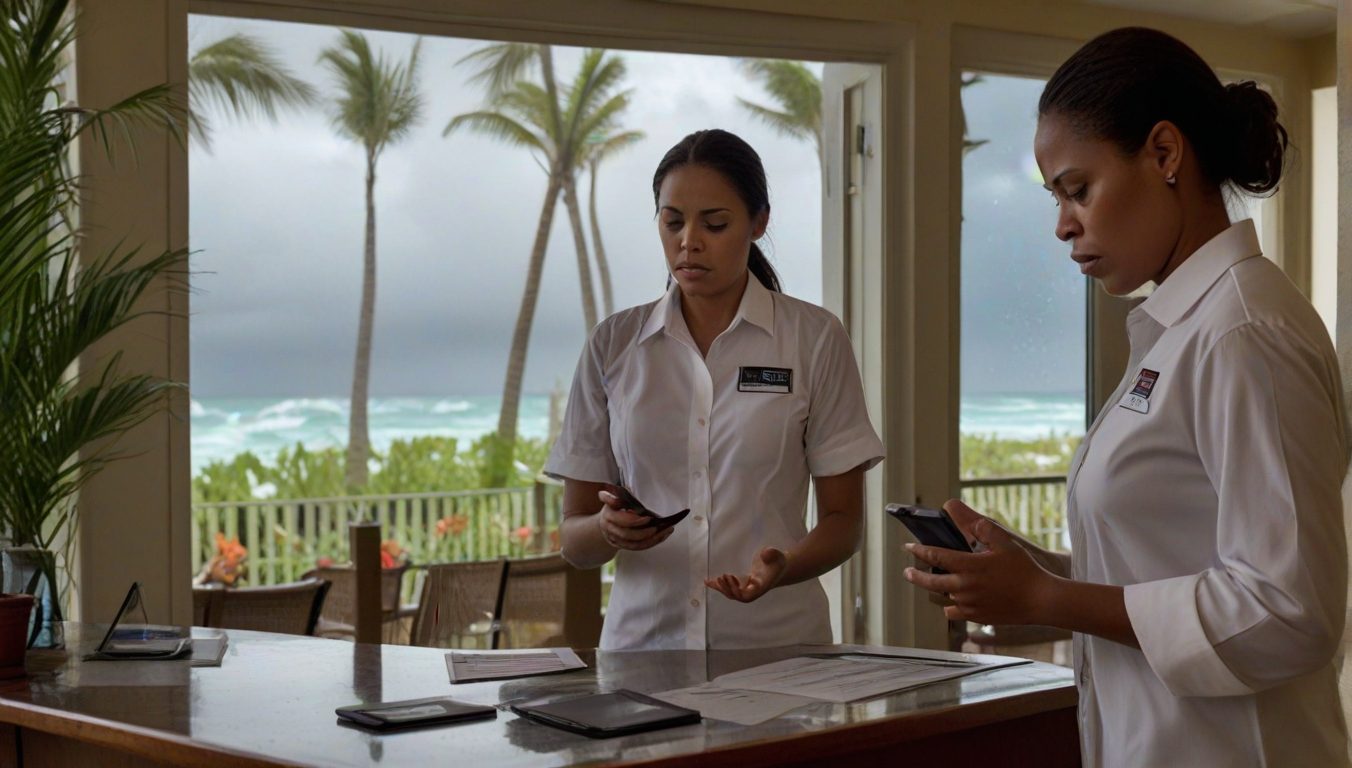

Caribbean resorts are famous for their beaches and hospitality—but they also operate in a region vulnerable to hurricanes, earthquakes, and floods.
For travelers, the question isn’t just about luxury—it’s about safety when nature turns unpredictable.
Resorts across the Caribbean follow codified emergency protocols that cover planning, execution, and recovery.
These systems are built from decades of experience and international best practices.
They exist to protect lives, minimize disruption, and restore normalcy fast.
See How Resorts Prepare to Protect You Before Storms Hit
Emergency preparedness begins long before a storm or crisis appears.
Resorts use structured manuals and internal SOPs (Standard Operating Procedures) to define roles, supply needs, inspection routines, and guest communication standards.
Leadership identifies decision triggers tied to government alerts and forecast cycles, then assigns responsibilities with redundancy — meaning every critical task has a backup owner.

Paradise Is Calling Your Name
Explore Sandals & Beaches deals
Property maps highlight shelter zones, generator locations, and medical stockpoints, while staff rosters specify who remains on site, who sleeps, and who rotates in relief shifts to prevent fatigue.
Risk assessments examine coastal erosion, floodplains, sea‑level exposure, and local infrastructure dependencies (e.g., municipal water, grid reliability, road access).
Maintenance teams conduct pre‑season hardening: sealing roof penetrations, testing shutter mechanisms, elevating generator intakes, and verifying diesel polish and battery banks for uninterrupted power.
Procurement locks vendor agreements for potable water, dry goods, linens, and fuel.
Meanwhile communications pre‑build message templates for SMS, email, in‑room TV, and lobby signage so guests receive consistent guidance.
Coordination with local authorities, airports, and embassies ensures resort actions align with public safety orders and evacuation corridors.
- Risk assessments: Resorts identify vulnerabilities and define thresholds that trigger protective actions.
- Infrastructure upgrades: Reinforced roofs, storm shutters, elevated generators, and drainage improvements are standard.
- Staff training: Drills cover evacuation routes, shelter operations, first aid, and guest communication.
- Coordination: Resorts liaise with governments, airports, hospitals, and embassies to synchronize responses.

Watch Resorts Spring into Action When Storm Alerts Arrive
When a tropical storm, hurricane, or other hazard is forecast, resorts shift from preparedness to execution.
Duty managers start timed briefings aligned to six‑hour forecast cycles, security secures the perimeter, and engineering moves outdoor systems to safe configurations.
The purpose is to reduce exposure, preserve utilities, and prepare guests for a smooth shelter‑in‑place experience if needed.
At 48 hours, outdoor furniture is strapped or stored, pools and beaches close, watersports cease, and excursions pause.
Escape the Chaos. Upgrade to Paradise.
See today’s exclusive offers

At 36 hours, guests receive room‑by‑room briefings explaining where to go, when, and what to bring (meds, chargers, a light jacket, and a small bag).
Food and water are staged near shelters; housekeeping deploys linens, towels, and sanitation supplies; and IT confirms Wi‑Fi resilience for internal communications.
During the event, staff maintain presence in safe zones, run meal service on scheduled intervals, and monitor medical needs.
They also operate generators to keep lighting, refrigeration, communications, and limited air handling stable.
- 48 hours before impact: Secure exteriors, close water features, cancel excursions, and stage supplies.
- 36 hours before impact: Guest briefings, shelter setup, distribution of essentials, and staff rotations.
- During the event: Relocate to reinforced areas, maintain power for essentials, run structured meal and wellness checks.
Explore How Resorts Handle Earthquakes, Floods, and Medical Crises
Hurricanes dominate headlines, but resorts plan for multiple hazard types.
Earthquake readiness focuses on “drop, cover, hold on” and post‑event structural checks before reoccupation.
Flood response monitors rainfall and surge; guests may be moved to upper floors and ground‑level utility rooms sealed.
Medical emergencies rely on trained first responders, AEDs, oxygen kits, and preferred hospital transfer routes; agreements with local clinics shorten decision time.
Fire safety integrates sprinklers, smoke zones, staged evacuation, and reassembly points with roll‑call verification.
Each protocol emphasizes fast, calm action and clear guest direction to minimize confusion.
- Earthquakes: Staff and guests practice protective posture and safe evacuation routes to assembly points.
- Flooding: Move guests vertically, protect electrical systems, and maintain potable water access.
- Medical emergencies: On‑site first aid, AEDs, oxygen, and hospital transfer MOUs.
- Fire safety: Alarm systems, suppression, zoned evacuation, and roll‑call at known muster points.
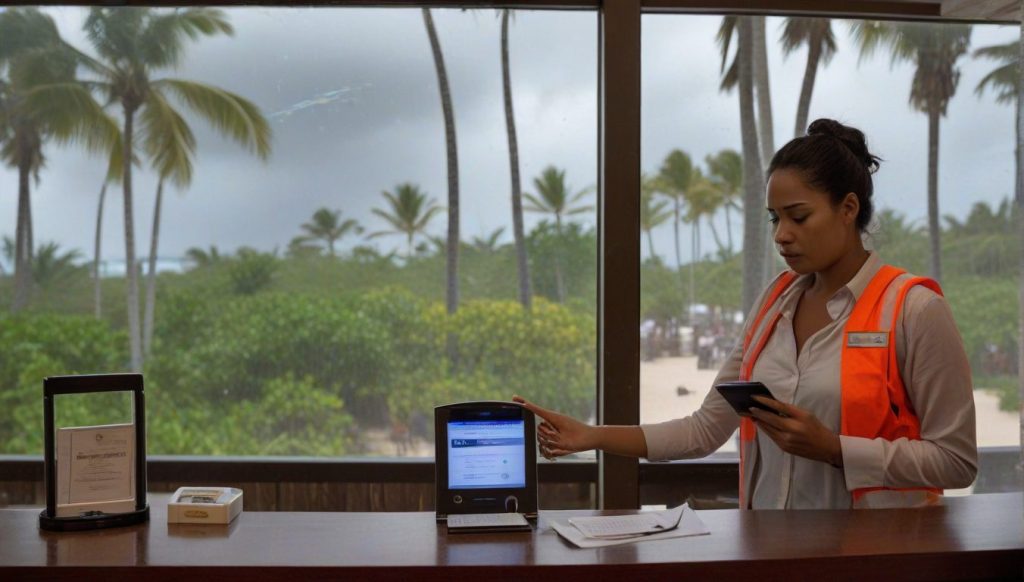
See How Resorts Reopen Safely After Storms and Disasters
Recovery is a deliberate, multi‑phase process designed to restore safety and normalcy without cutting corners.
The first priority is verification — confirming structures, utilities, and environments are fit for guest use — followed by staged reopenings that balance guest experience with operational reality.
- Rapid reopening: If damage is minor, teams clear debris, sanitize public areas, and test utilities.
Engineering validates generator‑to‑grid transfer, checks potable water, and inspects elevators.
Grounds crews restore walkways and secure beach access based on local flag systems.
The resort reopens essential services first — reception, food stations, restrooms — so guests can return quickly and safely. - Phased operations: When damage touches amenities or back‑of‑house systems, resorts reopen in stages.
Restaurants may run reduced menus until supply chains normalize; pools remain closed until filtration, chemical balance, and safety fencing pass inspection; spas and gyms return after electrical and HVAC checks.
Excursions resume only after third‑party providers are audited for transport safety, route stability, and insurance compliance.
Guests receive credits, upgrades, or alternative activities to maintain satisfaction while transparency about ongoing repairs builds trust. - Long‑term rebuilding: Severe impacts trigger capital projects: reinforced roofing, upgraded glazing, elevated generators, floodproof switchgear, improved drainage, seawall reinforcement, and communications redundancy.
Properties treat rebuilds as resilience investments, incorporating lessons learned and stronger materials to reduce future closures.
Project phasing prioritizes critical path areas (power, water, kitchens, staff housing) before aesthetic work so reopening happens as soon as safety permits.
Find the Escape You’ve Been Craving.
Reveal limited‑time Caribbean deals
Feel Confident Knowing Resorts Follow Proven Emergency Protocols
Protocols replace panic with process.
For travelers, that means knowing the resort has trained people, stocked supplies, and a communication plan it will follow even under stress.
The presence of shelter zones, redundant power, medical kits, and timed briefings conveys competence.
Guests who receive clear direction — where to go, when to move, what to bring — experience emergencies as structured interruptions, not chaos.
That emotional protection matters: you feel safe because you can see the system working.
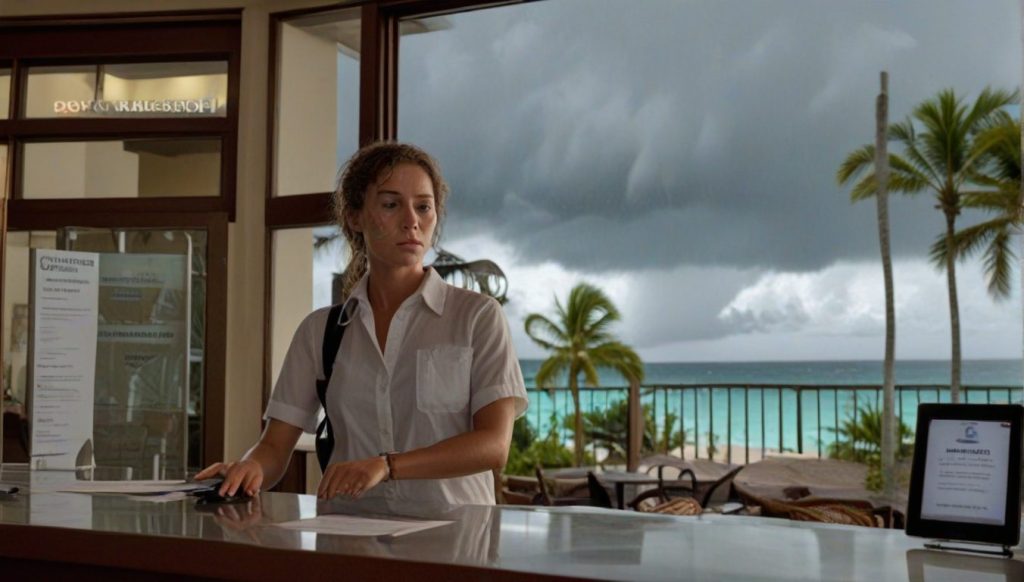
Protect Your Trip with Insurance That Covers Storm Disruptions
Even with strong protocols, emergencies can disrupt flights, excursions, and prepaid bookings.
Travel insurance ensures you’re financially and medically protected when conditions change.
The key is matching coverage to realistic scenarios resorts and guests face.
VisitorsCoverage — Protection when nature forces a change
VisitorsCoverage connects travelers to comprehensive trip insurance plans with strong trip cancellation and interruption benefits.
If government alerts rise and airlines cancel, or if the resort temporarily closes for safety, policies can reimburse non‑refundable costs and cover rebooking.
That protects your prepaid investment when operational decisions shift faster than you can.
Turn Your Next Getaway into Magic.
Discover your perfect resort match
Ekta — Medical security when the unexpected happens
Ekta focuses on international medical coverage and evacuation.
If you’re injured during shelter‑in‑place or fall ill while local clinics are strained, coverage ensures hospital access, medical transport, and repatriation if needed.
Resorts protect you inside the property; Ekta protects your health beyond it.
Insubuy — Stability when flights and plans collapse
Insubuy is useful for trip delay coverage: meals, hotels, and alternative transport when flights are grounded.
If airports temporarily suspend operations following an alert, you aren’t stuck covering unplanned nights and logistics from your own pocket.
It turns disruptions into manageable detours.
Compensair — Extra relief when airlines fail you
Airlines can be slow or reluctant to pay compensation during mass disruptions.
Compensair pursues payouts for cancellations, long delays, or denied boarding, layering recovery on top of insurance.
That means more of your costs are reimbursed, even when carriers make the process hard.
Learn What Past Hurricanes Taught Caribbean Resorts About Recovery
Past events show how protocols translate to outcomes.
After Irma and Maria (2017), resorts that invested in reinforced roofing, elevated generators, and water treatment reopened faster and with fewer service interruptions.
Properties in Jamaica and Barbados after Beryl (2024) demonstrated rapid reopening by prioritizing power, potable water, and safe beach access within 72–96 hours.
Multi‑hazard readiness also mattered: earthquake and flood drills shortened decision time for vertical evacuations, while established hospital partnerships reduced delays for medical transfers.
Plan Smarter: Travel Confidently with Emergency Awareness
Smart preparation blends official advisories, resort policies, and flexible bookings.
Check forecast outlooks before you buy, choose fares that allow changes, and confirm your resort’s rebooking guarantees.
Pack a resilience kit with medications, chargers, snacks, and a flashlight; enroll in STEP for embassy alerts; and keep your passport and key documents in a waterproof pouch.
Knowing the resort will brief you on when to move and where to shelter reduces anxiety and helps you stay focused on enjoying your time.
FAQ – Stay Safe and Covered When Caribbean Storms Disrupt Your Trip
What triggers a resort evacuation during hurricane season?
Resorts evacuate when government alerts escalate, storm surge risk rises, or infrastructure becomes compromised.
Internal thresholds—like wind speed, medical strain, or power vulnerability—activate early action.
These triggers are designed to protect guests before conditions become dangerous.Where do resorts send guests during an evacuation?
Guests may be relocated to reinforced ballrooms, inland hotels, or government shelters depending on severity and location.
Transportation is pre-arranged and coordinated with local agencies to ensure safe movement.
Resorts prioritize vulnerable guests and maintain clear communication throughout the process.How do resorts support guests with medical needs during evacuations?
Guests with mobility issues, chronic conditions, or special needs are prioritized for early evacuation.
Medical staff and supplies are staged in advance to support health needs during relocation.
Resorts coordinate with local hospitals and emergency services to ensure continuity of care.What happens after the evacuation ends?
Resorts assess damage, restore utilities, and reopen in phases based on safety and infrastructure readiness.
Guests are returned only when conditions are confirmed safe.
Dining, excursions, and amenities resume gradually, with long-term upgrades focused on storm resilience.Does travel insurance cover resort evacuations?
Yes—if purchased before the storm is named.
VisitorsCoverage reimburses unused nights and prepaid activities.
Insubuy covers flight delays and rebooking fees.
Ekta provides medical protection during inland relocations.
Compensair helps recover airline compensation for cancellations and denied boarding.What should travelers do before booking a Caribbean trip during hurricane season?
Review resort evacuation policies and ask about shelter partnerships.
Book flexible flights with no-fee change options.
Buy travel insurance at booking—coverage may be denied if a storm is already named.
Keep essentials like medications, chargers, and passports ready in case of sudden relocation.Are Caribbean resorts safe during hurricanes?
Yes. Resorts are built with reinforced structures, backup generators, and trained staff.
Guests are guided into safe zones with food, water, and medical support.
The real risk is disruption to travel plans—not your safety once you’re on property.