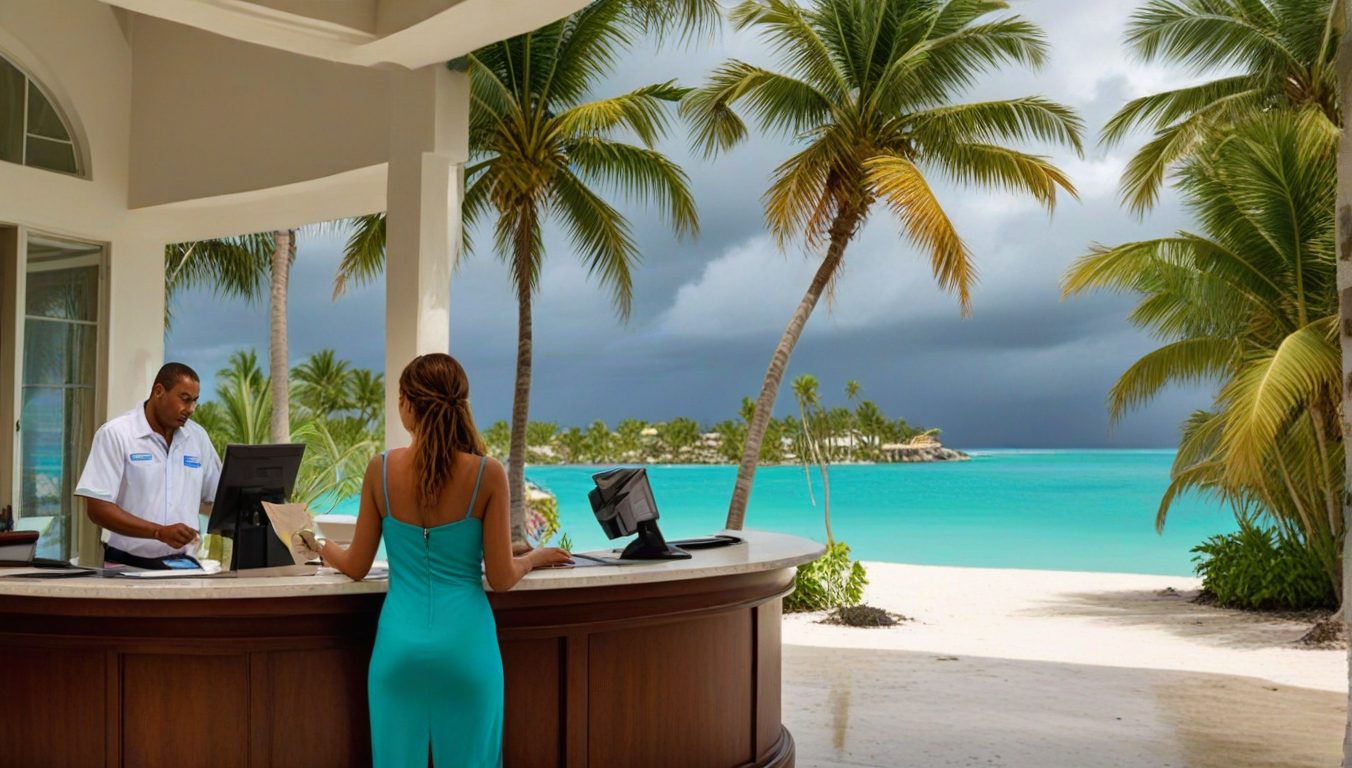


Don’t Let One Problem Ruin Your Vacation
A few seconds now protects the trip you’ve already invested so much into.
Short Excerpt
- Rebooking a Caribbean resort can preserve your vacation when a hurricane threatens without forcing you to accept the financial loss of canceling outright.
- Many hurricane policies allow eligible guests to shift dates, move to another property, or cancel without resort-imposed penalties once specific storm conditions are met.
- Direct-booking rules, blackout dates, promotional rates, airfare restrictions, and the timing of the storm warning can determine how much flexibility you actually receive.
Quick Take
- Check the resort’s hurricane policy as soon as an official warning begins affecting your travel window.
- Direct bookings often provide more rebooking flexibility than reservations controlled by third-party booking sites.
- A no-penalty date change does not guarantee that your original promotional rate or discount will carry over.
- Some resort groups allow you to move to another property or rebook later in the year instead of canceling the vacation.
- Resort flexibility normally protects the accommodation, while travel insurance can address eligible flights, delays, medical expenses, and other trip costs.
- If the trip still feels too exposed, changing dates or moving to Aruba, Curaçao, or another lower-risk destination can preserve the getaway.
Why Changing Your Resort Dates Can Be Smarter Than Canceling the Entire Caribbean Trip
Booking a Caribbean resort during hurricane season can feel like a risk.
Storms don’t just disrupt travel—they can unravel your entire vacation.
The good news is that many resorts offer flexible policies that let you change dates without penalties.
This post reveals how hurricane guarantees work, what fine print to watch for, and how travel insurance gives you control when the forecast turns.
Why Resorts Let You Rebook When Storms Threaten
Resorts in hurricane‑prone regions know that storms can disrupt travel plans.
To build trust and reduce cancellations, many properties and vacation providers offer hurricane guarantees or flexible rescheduling policies.
These allow guests to change dates, rebook later in the year, or even cancel without penalty if an official hurricane warning is issued.

Paradise Is Calling Your Name
Explore Sandals & Beaches deals
For example, major resort groups and vacation providers like Disney, Universal, and Sandos Hotels have published hurricane policies that let guests reschedule or cancel if a storm warning is in effect.
- Disney Resorts: Guests scheduled to arrive within 7 days of a hurricane warning can reschedule without Disney‑imposed change fees. Payments are applied to the new booking, though discounts may not carry over.
- Universal Orlando Vacations: If a hurricane or tropical storm warning is issued, guests can reschedule or cancel packages without fees. Airline tickets may still carry penalties.
- Sandos Hotels & Resorts: Guests can reschedule at the same resort or another Sandos property, often at the same rate, or cancel without penalty if flights are canceled due to storms.
Best for you if: You want reassurance that your resort won’t penalize you for weather‑related changes.
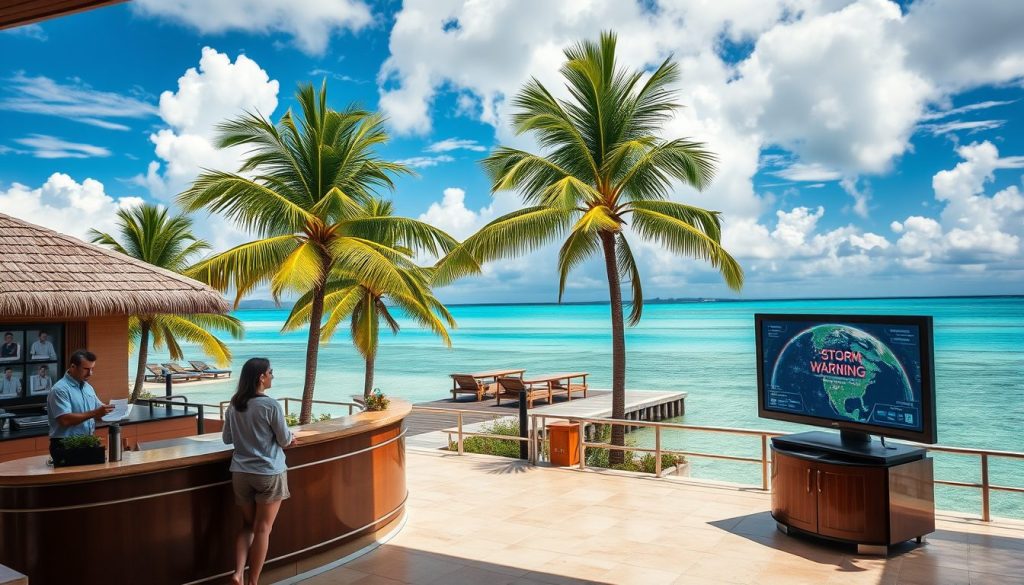
When Resorts Say No: Risks That Block Your Rebooking
Not every booking qualifies for hurricane flexibility.
Some restrictions apply, and knowing them in advance can save you stress.
- Third‑party bookings: If you booked through an online travel agency, you may need to follow their policies, not the resort’s.
- Special events or blackout dates: Some promotions and holiday periods are excluded.
- Last‑minute bookings: Policies may not apply if you booked after a hurricane warning was already issued.
- Airfare limitations: Even if your resort waives fees, airlines may still charge for changes.
Choose this path if: You want to avoid surprises by reading the fine print before booking.
When Rebooking Is Easy: Resort Policies That Say Yes
If you booked directly with the resort or a major vacation provider, you’re often covered.
Escape the Chaos. Upgrade to Paradise.
See today’s exclusive offers

Resorts want to keep your business, so they’ll usually let you shift dates or rebook later in the year.
- Direct bookings: Resorts are more flexible when you book directly.
- Hurricane guarantees: Some resorts advertise “no penalty” hurricane policies.
- Same‑year rebooking: Many allow you to rebook within the same calendar year at the same rate.
- Alternative properties: Some resort groups let you switch to a sister property outside the storm zone.
Best for you if: You value flexibility and book directly with the resort.
Insurance That Saves Your Trip When Storms Hit
Even with resort policies, insurance is your strongest safety net.
Resorts may cover room nights, but insurance covers flights, medical needs, and extra expenses.
- VisitorsCoverage: Reimburses prepaid nights if storms force closure.
- Ekta: Covers medical emergencies during storm disruptions.
- Insubuy: Pays for meals, hotels, and rebooking if flights are canceled.
- Compensair: Pursues airline compensation after delays or cancellations.
Best for you if: You want full protection beyond what resorts provide.

Don’t Cancel Yet: Safer Ways to Salvage Your Vacation
If you’re nervous about hurricane risk but don’t want to cancel outright, consider these pivots:
- Shift dates: Move your trip to early December for lower storm risk.
- Change geography: Book southern Caribbean islands like Aruba or Curaçao.
- Flexible bookings: Choose refundable rooms and flights.
- Decision windows: Monitor forecasts 5–7 days before departure.
Best for you if: You want to keep your trip but reduce risk.
Find the Escape You’ve Been Craving.
Reveal limited‑time Caribbean deals
What to Do When a Hurricane Hits Mid‑Trip
If you’re already at the resort when a storm develops, knowing your options helps you stay calm.
- Early departure: Some resorts waive charges for unused nights.
- Shelter relocation: Resorts may move guests to safer on‑site areas.
- Extended stay: If flights are canceled, distressed rates may apply.
- Documentation: Keep receipts for insurance claims.
Best for you if: You want to stay proactive and avoid last‑minute stress.
What Really Happens When Storms Disrupt Your Resort Stay
- Hurricane warning issued before arrival: Call the resort to reschedule without penalty.
- Flight canceled due to storm: Rebook with airline, then adjust resort dates.
- Already checked in when storm hits: Resort may waive unused nights or relocate you.
- Airport closure delays departure: Resorts may offer discounted “distressed rates.”
Choose this when: You want to see how policies apply in real life.
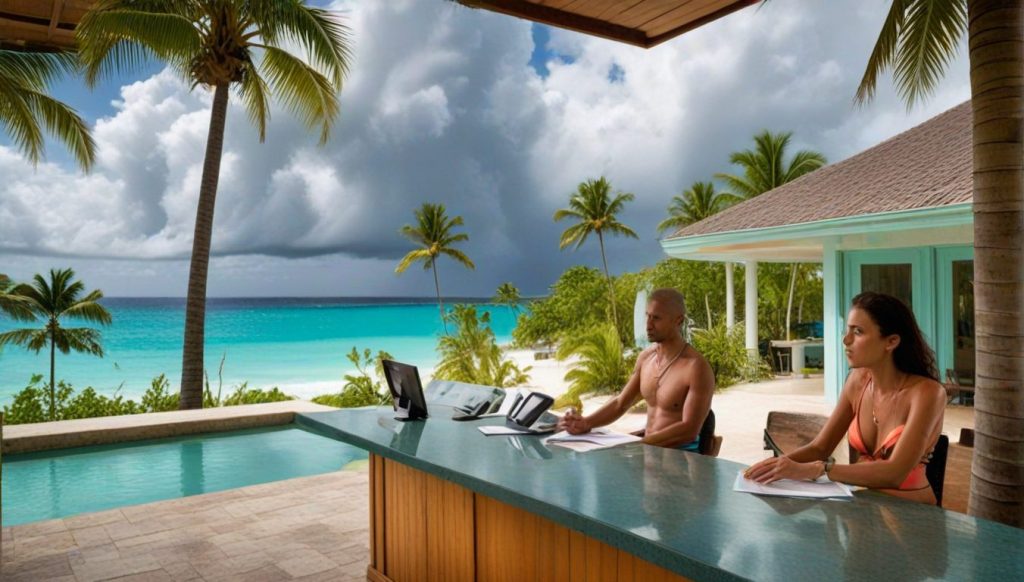
Turn Your Next Getaway into Magic.
Discover your perfect resort match
FAQ – When Is Rebooking Your Caribbean Resort Smarter Than Canceling During a Hurricane Threat?
Can I change my Caribbean resort dates if a hurricane is forecast for my travel window?
Most Caribbean resorts let you change dates when an official hurricane or tropical storm warning affects your stay.
Properties and vacation providers in hurricane‑prone regions expect disruptions, so many publish hurricane guarantees that allow you to reschedule, rebook later in the year, or cancel without penalty once a warning is issued.
Disney Resorts, Universal Orlando Vacations, and Sandos Hotels & Resorts are examples of brands that tie flexibility directly to official storm alerts.
For you, this means that when forecasts shift from “possible” to “officially warned,” you can usually move your trip instead of losing your investment—provided your booking meets the policy conditions.Will I pay penalties or lose my rate when I rebook after a hurricane warning?
Many resorts honor your original rate if you rebook within the same calendar year, especially when you booked directly and the change is clearly storm‑related.
Hurricane guarantees often promise “no penalty” date changes, but they may exclude peak holiday periods or blackout dates, and promotional discounts might not carry over.
Sandos Hotels & Resorts, for example, may let you rebook at the same rate or move to another Sandos property, yet special offers can be treated differently.
The practical takeaway is simple: ask about rate protection and blackout dates when you rebook so you know exactly what you’re keeping and what might change.How do hurricane policies differ between Disney Resorts, Universal Orlando Vacations, and Sandos Hotels & Resorts?
Disney Resorts typically allow guests scheduled to arrive within seven days of a hurricane warning to reschedule without Disney‑imposed change fees, applying payments to a new booking even if discounts shift.
Universal Orlando Vacations lets guests reschedule or cancel vacation packages when a hurricane or tropical storm warning is issued, though airline tickets may still carry penalties.
Sandos Hotels & Resorts focuses on flexibility across its properties, often allowing guests to reschedule at the same resort or move to another Sandos location, sometimes at the same rate, especially when flights are canceled due to storms.
Comparing these policies helps you match your expectations to the brand you choose—some focus on package flexibility, others on resort‑to‑resort movement, and all still leave airfare as a separate consideration.What changes if I booked my Caribbean resort through a third‑party site instead of directly with the property?
Third‑party bookings usually follow the agency’s rules, not the resort’s, which can limit your hurricane flexibility.
Online travel agencies may have stricter cancellation windows, reduced rescheduling options, or different interpretations of what qualifies as a storm‑related change.
Even if the resort itself is willing to move your dates, the intermediary controlling your reservation might not mirror that generosity.
Before you book through a third‑party, read their hurricane, cancellation, and rescheduling terms carefully; if you value easy rebooking when storms threaten, direct booking with the resort or a major vacation provider often gives you more control.If my resort has a hurricane guarantee, why would I still need travel insurance like VisitorsCoverage, Ekta, or Insubuy?
Resort hurricane guarantees mainly protect your room nights, while travel insurance covers the rest of your trip ecosystem.
VisitorsCoverage can reimburse prepaid nights when storms force resort closure, Ekta focuses on medical emergencies that arise during storm disruptions, and Insubuy helps pay for meals, hotels, and rebooking costs when flights are canceled.
These policies step in where resort coverage stops—airfare penalties, extra lodging during delays, medical care, and evacuation are typically outside the resort’s responsibility.
Combining a clear resort policy with insurance gives you layered protection: the resort handles its own operations, and insurance shields your broader travel budget and health needs when weather turns serious.How can Compensair help when hurricanes disrupt flights to or from my Caribbean resort?
Compensair is designed to pursue airline compensation, not to replace travel insurance or resort policies.
When a storm leads to delays or cancellations that qualify under passenger‑rights rules, Compensair works on your behalf to secure payouts from the airline, often on a no‑win, no‑fee basis.
While your resort’s hurricane guarantee may let you shift dates and your insurance may cover hotels and meals during a delay, Compensair targets additional financial recovery tied to airline obligations.
Using it alongside insurance and resort flexibility can turn a chaotic travel day into a more manageable situation where you’re not absorbing every cost alone.What are realistic ways to reduce hurricane risk without canceling my Caribbean resort trip altogether?
You can lower risk by adjusting timing, geography, and booking style rather than abandoning the trip.
Shifting dates to early December moves you closer to the end of hurricane season while still enjoying warm weather and resort amenities.
Choosing southern Caribbean islands like Aruba or Curaçao reduces exposure because these destinations sit outside the most active storm paths.
Opting for refundable rooms and flights adds another layer of flexibility, and using decision windows—monitoring forecasts five to seven days before departure—helps you act based on real data instead of vague worry.
These moves keep your getaway intact while giving you more control if storms start to form.What should I do if a hurricane develops while I’m already staying at my Caribbean resort?
When a storm forms mid‑trip, start by understanding how your resort handles early departures, relocations, and extended stays.
Many properties waive charges for unused nights if you leave early due to a hurricane, and some move guests to safer on‑site areas when conditions worsen.
If flights are canceled and you must stay longer, resorts often offer “distressed rates” to keep costs manageable until you can depart.
Throughout the process, keep receipts and documentation—such as closure notices, evacuation instructions, and airline messages—so you can file insurance claims later.
Acting early, staying informed, and documenting expenses turns a stressful situation into a series of manageable steps.Which booking details can quietly block my ability to rebook when storms threaten my resort stay?
Several fine‑print details can limit your hurricane flexibility if you overlook them.
Special events, promotional offers, and holiday periods often fall under blackout dates that don’t qualify for “no penalty” rebooking, even when a storm warning exists.
Last‑minute bookings made after a hurricane warning is already issued may be excluded from hurricane guarantees because the risk is considered known at the time of purchase.
Airfare rules can also create friction—airlines may charge change fees even when your resort is flexible.
Reviewing blackout dates, timing rules, and airline policies before you commit helps you avoid discovering these restrictions only when you’re trying to change plans under pressure.How do airport closures and flight cancellations affect my ability to use resort hurricane policies and insurance?
Airport closures and flight cancellations often trigger different responses from resorts and insurers, and understanding both helps you react quickly.
Resorts may allow you to adjust dates or waive unused nights when you cannot physically reach or leave the property due to closed airports.
Insurance can step in to cover extra hotel nights, meals, and rebooking costs when you are stuck en route or stranded after your original flight is canceled.
In some cases, resort groups even let you switch to sister properties outside the storm zone once flights resume.
By coordinating with both the resort and your insurer as soon as disruptions begin, you can turn a forced change of plans into a structured rebooking rather than a financial loss.