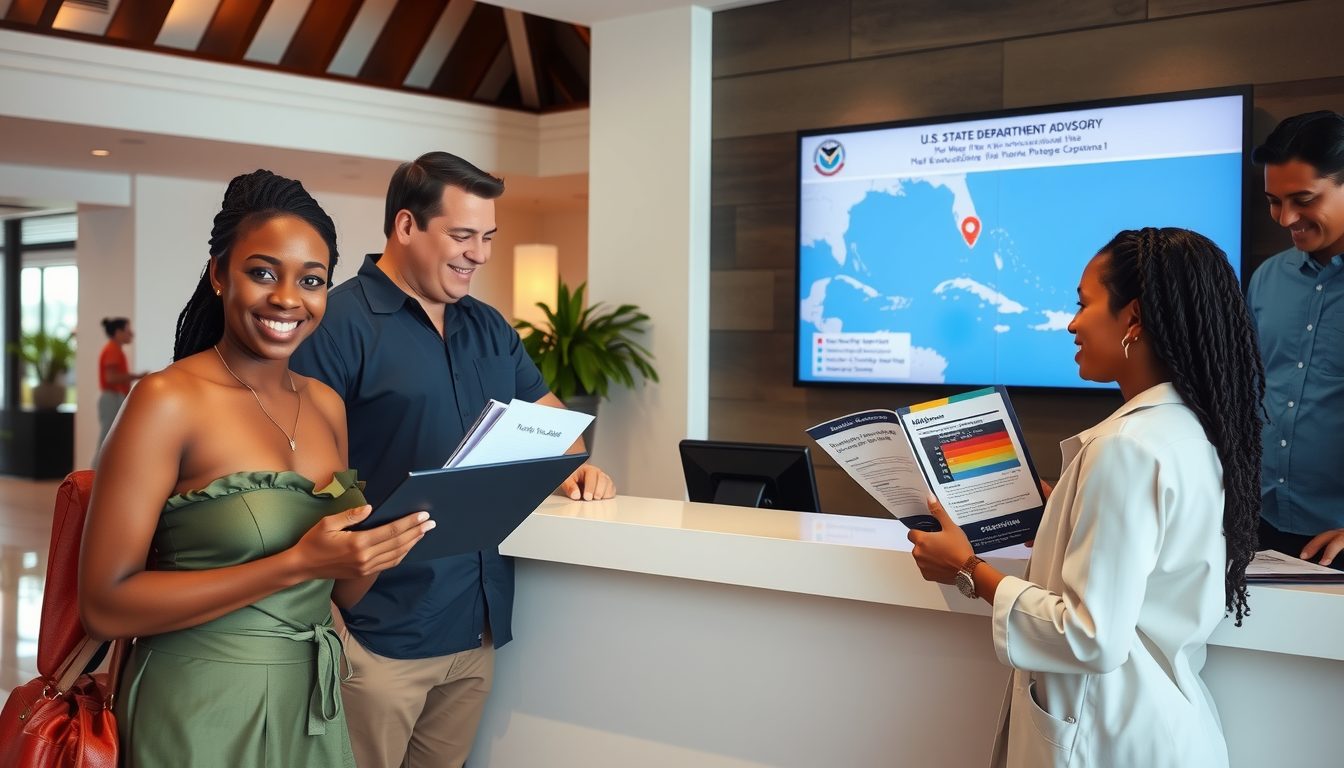

Travel advisories aren’t just warnings—they’re tools that help travelers make smarter, safer decisions.
In the Caribbean, advisory levels can shift quickly based on political unrest, crime trends, or natural disasters.
Understanding what each level means empowers resort guests to prepare confidently and avoid unnecessary stress.
Level 1 destinations offer relaxed travel with minimal risk, while Level 3 or 4 alerts may affect resort operations and excursion availability.
Resorts adapt quickly to advisory changes, activating safety protocols and communicating updates to guests.
Travel insurance becomes essential when advisories disrupt flights, bookings, or local mobility.
Knowing how to interpret these alerts unlocks peace of mind and protects your vacation investment.
Whether you’re planning a honeymoon or a family escape, advisory awareness is the first step toward a secure and enjoyable trip.
Understand How Travel Advisories Shape Resort Safety and Guest Decisions
Travel advisories are not designed to discourage travel; they are meant to provide clear, actionable guidance so you can make informed decisions.
Resorts in the Caribbean operate under strict safety protocols, but advisories highlight external risks that may affect your stay — such as crime in nearby cities, political unrest, or infrastructure challenges.
For resort guests, the advisory level determines how much caution you should exercise when leaving the property, how flexible your travel plans should be, and whether insurance coverage may be affected.

Paradise Is Calling Your Name
Explore Sandals & Beaches deals
- Level 1 – Exercise Normal Precautions: Minimal risk. Most Caribbean islands fall here. Resorts operate normally.
- Level 2 – Exercise Increased Caution: Some risks exist, often tied to crime in urban centers. Resorts remain safe, but guests should be alert when leaving property.
- Level 3 – Reconsider Travel: Significant risks, such as violent crime or civil unrest. Resorts may still operate, but travel disruptions are more likely.
- Level 4 – Do Not Travel: Severe risks. Resorts may close, and government assistance is limited.
👉 See the official U.S. State Department advisory system.
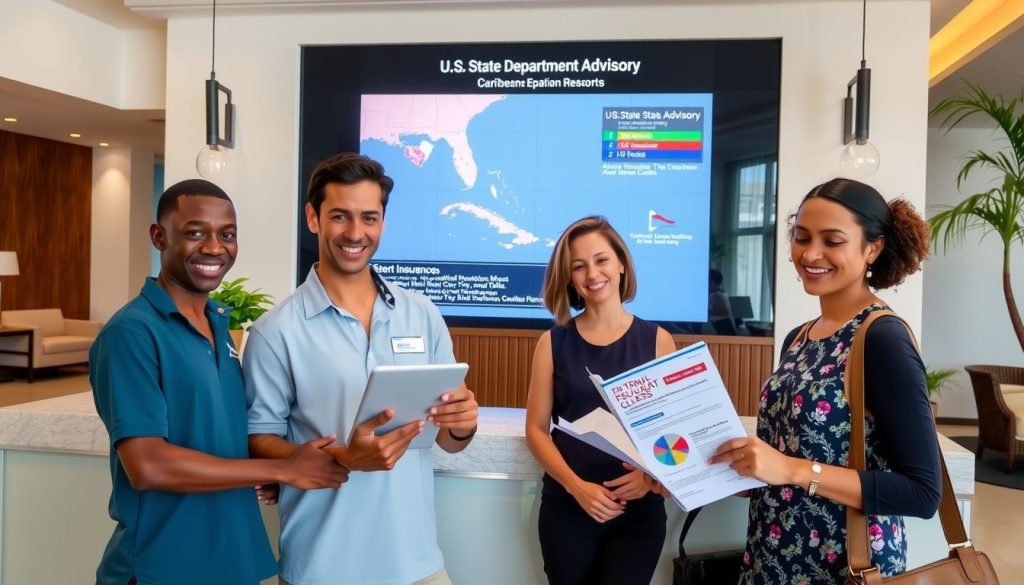
See Which Caribbean Islands Are Safest for Resort Travel
Advisory levels shift as conditions change, so it’s important to check the latest updates before booking.
Here’s a snapshot of current advisories with direct links to the U.S. State Department for verification:
- Level 1 (Safest – Normal Precautions):
Aruba, Curaçao, Barbados, Antigua & Barbuda, Saint Lucia, Grenada, Cayman Islands. - Level 2 (Increased Caution):
The Bahamas (crime in Nassau/Freeport), Dominican Republic (violent crime), Turks & Caicos (strict firearm laws), Cuba (crime + infrastructure issues), Belize. - Level 3 (Reconsider Travel):
Jamaica has fluctuated between Level 2 and Level 3 in recent years due to violent crime. - Level 4 (Do Not Travel):
Haiti remains at Level 4 due to civil unrest and security risks.
Watch Caribbean Resorts Adapt Quickly to Changing Advisory Levels
Resorts adapt quickly to advisory changes. At Level 1, operations are normal.
At Level 2, resorts enhance security presence, provide stronger guest briefings, and encourage guests to book excursions through vetted providers.
At Level 3, some resorts may limit off‑property activities, increase on‑site entertainment, and coordinate closely with embassies.
At Level 4, many resorts suspend operations entirely, and airlines may cancel flights.
This tiered response ensures that even when advisories rise, resort guests remain protected through proactive measures.
Escape the Chaos. Upgrade to Paradise.
See today’s exclusive offers

Feel Confident Knowing Caribbean Resorts Stay Safe During Advisory Shifts
It’s important to remember that advisories often reflect urban crime hotspots or political unrest far from resort zones.
For example, The Bahamas is Level 2 due to crime in Nassau, but out‑island resorts remain calm and secure.
The Dominican Republic’s advisory highlights urban crime, while Punta Cana resorts maintain strong safety records.
Resorts invest heavily in private security, gated access, and guest safety protocols.
Advisories are a tool for awareness, not a blanket warning against all travel.

Protect Your Trip with Insurance That Covers Advisory Disruptions
Even with advisories, travel insurance ensures you’re financially and medically protected if conditions change.
Resort guarantees or cancellation policies only go so far — they rarely cover flights, medical emergencies, or the ripple effects of government advisories.
That’s where specialized providers step in.
VisitorsCoverage — Protection When Nature Forces a Change
VisitorsCoverage is a global broker that connects travelers with comprehensive trip insurance plans.
For Caribbean resort guests, its strength lies in trip cancellation and interruption coverage.
If the U.S. State Department raises an advisory level after you’ve booked, or if your airline cancels flights due to safety concerns, VisitorsCoverage policies can reimburse prepaid, non‑refundable costs and cover rebooking expenses.
Ekta — Medical Security When the Unexpected Happens
Ekta specializes in international medical coverage, which becomes critical when advisories highlight strained healthcare systems or limited infrastructure.
If you fall ill or are injured during a period of unrest or natural disruption, Ekta provides access to hospitalization, emergency evacuation, and even repatriation.
For resort guests, this means peace of mind that you won’t be left navigating local hospitals alone if conditions deteriorate.
Insubuy — Stability When Flights and Plans Collapse
Insubuy is known for strong trip delay and rebooking benefits, which are especially valuable when advisories trigger airline cancellations.
If your flight is grounded due to a Level 3 or Level 4 advisory, Insubuy policies can reimburse meals, hotels, and alternative transportation until service resumes.
Find the Escape You’ve Been Craving.
Reveal limited‑time Caribbean deals
Compensair — Extra Relief When Airlines Fail You
Even with insurance, airlines don’t always make compensation easy.
Compensair specializes in pursuing airline payouts for cancellations, long delays, or denied boarding.
This service is particularly useful when advisories cause mass flight disruptions and carriers are slow to respond.
Learn How Past Travel Advisories Shaped Resort Safety and Guest Experience
- Jamaica (2025): Recently improved from Level 3 to Level 2, showing how conditions can stabilize.
- The Bahamas (2024–2025): Advisory remained Level 2, but resorts outside Nassau continued to thrive.
- Haiti (Ongoing): Level 4 demonstrates how advisories can remain elevated for years due to instability.
Plan Smarter: Travel Confidently with Advisory Awareness and Resort Support
Smart preparation means combining official advisories with resort policies and insurance coverage.
Travelers who take a proactive approach can enjoy their vacation with confidence, even during periods of heightened caution.
- Check advisories early: Always review the U.S. State Department site before booking. This ensures you know the baseline risk level for your destination.
- Enroll in STEP: The Smart Traveler Enrollment Program (STEP) provides real‑time alerts and connects you with the nearest U.S. embassy or consulate in case of emergencies.
- Book flexible flights: Choose fares that allow no‑fee changes or cancellations, especially during hurricane season or when advisories are volatile.
- Confirm resort policies: Ask your resort about cancellation or rebooking options if advisories shift. Many properties have “peace of mind” guarantees.
- Stay on property when needed: Resorts are often the safest places during elevated advisories. If you want to explore, book excursions only through vetted, resort‑approved providers.
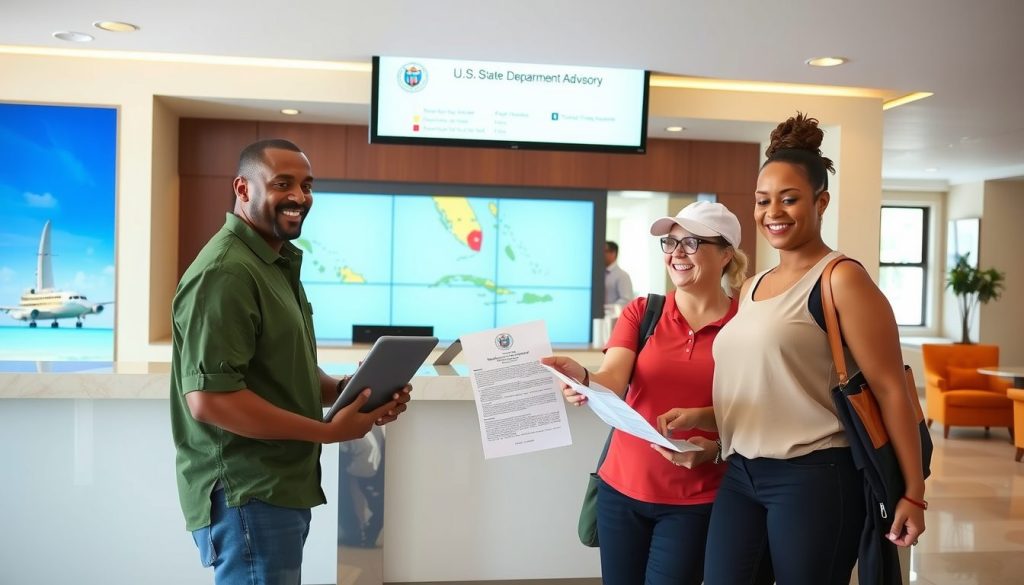
FAQ – Travel Confidently with Advisory Awareness and Resort Support
What do Caribbean travel advisories actually mean for resort guests?
Travel advisories highlight external risks that may affect your stay, such as crime, political unrest, or infrastructure issues.
They do not reflect the safety of the resort itself, which often operates under strict protocols.
Understanding advisory levels helps you make informed decisions about excursions, insurance, and flexibility.How do Caribbean resorts respond when advisory levels change?
Resorts adapt quickly by increasing security, updating guest briefings, and limiting off-property activities.
At higher advisory levels, they may suspend excursions and coordinate with embassies for added support.
These actions are designed to protect guests while maintaining a safe and enjoyable experience.Which Caribbean islands are currently considered safest for resort travel?
Level 1 destinations include Aruba, Curaçao, Barbados, Antigua & Barbuda, Saint Lucia, Grenada, and the Cayman Islands.
These islands have minimal risk and stable infrastructure, making them ideal for relaxed resort stays.
Always verify current advisory levels before booking, as conditions can change.What should I do if my destination receives a Level 3 or Level 4 advisory?
Reconsider travel plans and contact your resort for updated policies.
Check your travel insurance for cancellation and rebooking coverage.
If already on-site, follow resort guidance and stay within secure zones.Does travel insurance cover disruptions caused by advisory changes?
Yes—if purchased before the advisory level was raised.
VisitorsCoverage reimburses non-refundable costs and covers rebooking.
Ekta provides medical support during unrest or infrastructure failure.
Insubuy covers delays and alternate transportation.
Compensair helps recover airline compensation for cancellations.Are resorts still safe if nearby cities are affected by crime or unrest?
Yes—resorts often operate in gated zones with private security and controlled access.
Advisories may reflect urban risks that don’t apply to resort areas.
Staff are trained to manage guest safety and respond to changing conditions.How can I stay informed about travel advisories before and during my trip?
Check the U.S. State Department website for official updates.
Enroll in STEP to receive real-time alerts and embassy support.
Ask your resort about local conditions and safety protocols.What role does travel insurance play during hurricane season?
Travel insurance protects your trip if a storm disrupts flights, bookings, or resort operations.
Policies from VisitorsCoverage and Insubuy cover cancellations and delays.
Ekta provides emergency medical care and evacuation during natural disasters.
Compensair helps recover airline compensation when flights are canceled due to weather.