

Don’t Let One Problem Ruin Your Vacation
A few seconds now protects the trip you’ve already invested so much into.
Short Excerpt
- Choosing a wellness retreat starts with knowing whether you want stress relief, fitness, emotional support, spiritual growth, detox-focused programming, or simple restoration.
- Location, program intensity, practitioner qualifications, accommodations, healthy dining, and personalization can shape the experience as much as the resort itself.
- A beautiful property is not enough; the strongest retreat aligns its setting, treatments, activities, expertise, and daily rhythm with what you actually want from the trip.
Quick Take
- Define your primary wellness goal before comparing destinations, treatments, or luxury amenities.
- Bali, Costa Rica, Thailand, mountain destinations, beachfront resorts, and desert retreats create very different environments for restoration and structured wellness.
- Compare the retreat’s philosophy and daily program carefully because yoga, fitness, detox, meditation, Ayurveda, emotional wellness, and spa-focused retreats can feel completely different.
- Verify practitioner qualifications when programs involve yoga instruction, nutrition guidance, massage, acupuncture, counseling, or other specialized services.
- Compare the complete package price because accommodations, meals, treatments, consultations, and activities may be bundled at one retreat and charged separately at another.
Start With Your Wellness Goal Before You Compare Retreats
Wellness retreats promise transformation—but not all deliver it.
Choosing the right retreat can unlock deep healing, emotional clarity, and physical renewal.
With hundreds of options offering detoxes, yoga, and holistic therapies, the search can feel overwhelming.
This guide helps you cut through the noise and find a wellness escape that truly supports your goals.
Whether you’re seeking stress relief, spiritual growth, or a fitness reboot, the right retreat can change everything.
1. Understanding Your Wellness Goals and Intentions
Choosing a wellness retreat begins with understanding what you hope to achieve.
The first step in selecting the right destination is setting clear goals for your health vacation.
Wellness retreats can cater to a variety of objectives, and finding one that aligns with your personal intentions will make all the difference.

Paradise Is Calling Your Name
Explore Sandals & Beaches deals
Here are some common goals people have when visiting wellness retreats:
- Physical Health: If you’re looking to focus on fitness or detoxification, search for resorts that specialize in wellness programs aimed at physical transformation.
Some resorts offer yoga retreats, fitness boot camps, or detox programs that help kickstart your health journey.
- Stress Relief and Mental Clarity: If your primary focus is to relieve stress, anxiety, or burnout, look for resorts that emphasize mental well-being.
These retreats often include stress management techniques like mindfulness, meditation, and relaxation therapies.
- Emotional Healing: If emotional well-being and healing are your main focus, choose a retreat that offers therapy-based programs, such as guided emotional healing, mindfulness-based stress reduction (MBSR), or one-on-one counseling sessions.
- Holistic Healing and Spiritual Growth: For those seeking spiritual development, meditation retreats or places that offer holistic therapies (like acupuncture or energy healing) can provide the perfect environment to nurture your body, mind, and spirit.
By identifying your core wellness goals, you can narrow down your options to the retreats that best suit your needs and intentions, ensuring that you choose a program that aligns with your journey.
2. Choosing the Right Location for Your Wellness Retreat
Location plays a critical role in the overall experience of your wellness retreat.
The environment of your destination can significantly impact your ability to relax and unwind.
When choosing the right destination, consider how the location aligns with your wellness goals and personal preferences.
Here are some factors to keep in mind:
A. Natural Setting and Ambiance
- Tropical Destinations: Tropical destinations like Bali, Costa Rica, and Thailand offer lush landscapes, warm climates, and peaceful surroundings ideal for a restful retreat.
These locations are often chosen for their natural beauty and serene environments, making them perfect for reconnecting with nature and healing.
- Mountain Escapes: Resorts nestled in the mountains—whether in the Swiss Alps, the Himalayas, or the Rocky Mountains—offer quiet, isolated settings that are perfect for deep relaxation and introspection.
The crisp mountain air and stunning views make these retreats ideal for hiking, yoga, and meditation.
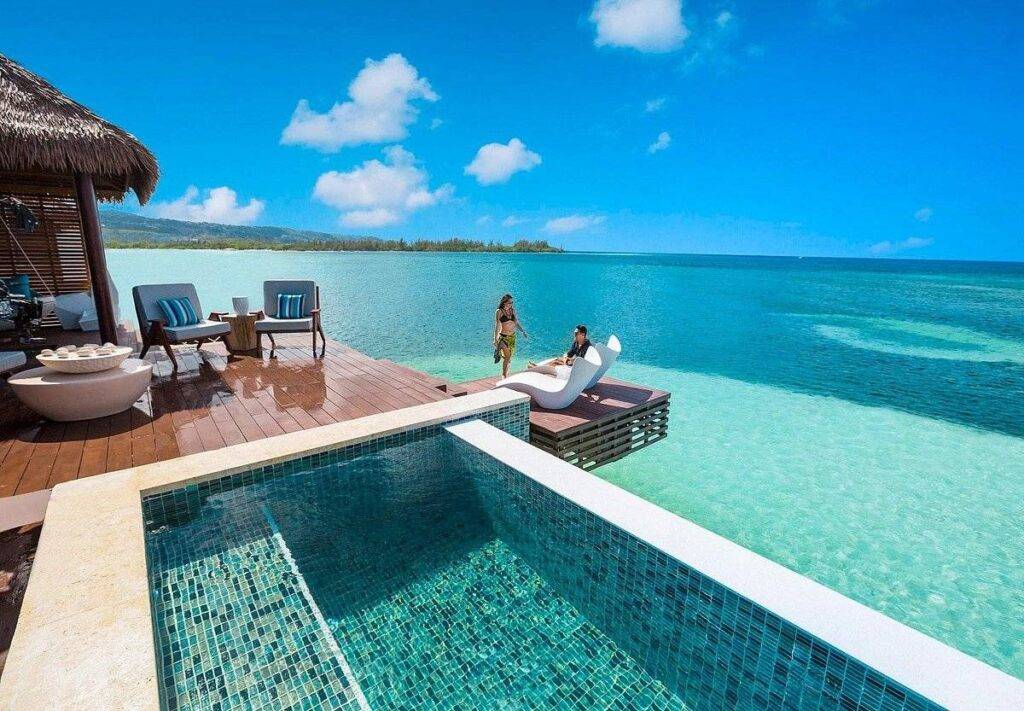
- Beachfront Resorts: Coastal resorts with pristine beaches, such as those in the Mediterranean, Caribbean, or Hawaii, offer an unparalleled backdrop for activities like beach yoga, water-based therapies, and restorative retreats.
The sound of the waves and the ocean’s energy can promote calmness and mindfulness.
- Desert Retreats: If you’re looking for solitude and an escape from the hustle and bustle, desert retreats, like those in Arizona or Morocco, offer tranquil settings with vast, open landscapes.
These destinations are often sought for their calm and stillness, creating the perfect environment for spiritual reflection and emotional healing.
Escape the Chaos. Upgrade to Paradise.
See today’s exclusive offers
B. Accessibility and Travel Considerations
When choosing a destination, it’s important to consider how accessible it is.
Some wellness retreats are located in remote, hard-to-reach areas, while others may be located in cities or near airports for easier access.
Depending on your available time and budget, decide if you are willing to travel far or if you prefer a destination closer to home.
Additionally, think about the travel time involved and whether it will allow you enough time to truly relax once you arrive.
3. Review the Resort’s Wellness Philosophy and Offerings
Each wellness resort has its own philosophy, which dictates the kind of experiences it offers.
Whether the focus is on fitness, meditation, detox, or holistic treatments, understanding the resort’s core philosophy can help you determine if it aligns with your needs.
Take time to understand the following key areas:
A. Types of Wellness Programs Offered
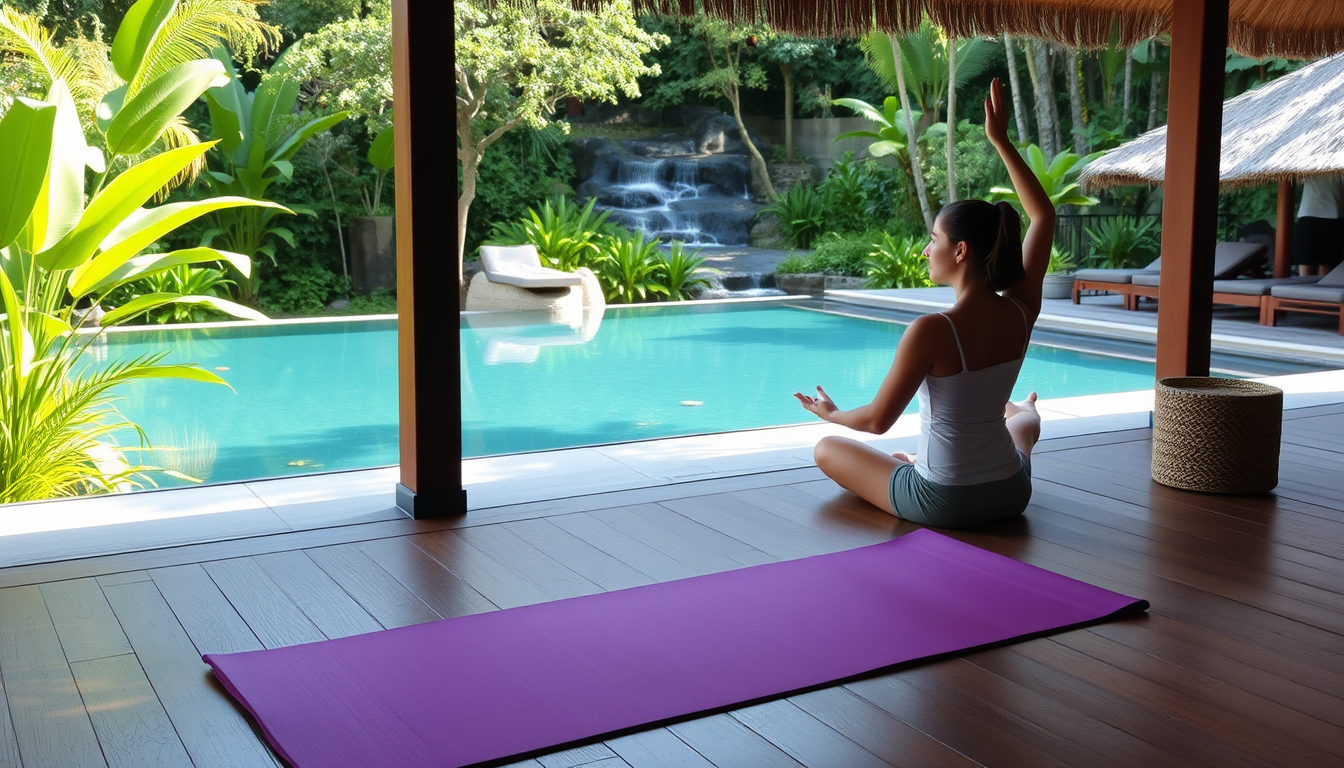
- Yoga and Meditation Retreats: Many wellness retreats are yoga-focused, with daily sessions that include a combination of hatha yoga, vinyasa, restorative yoga, and guided meditation.
If yoga and mindfulness are key to your retreat, ensure the resort offers a variety of classes and has experienced instructors.
- Detox and Detoxification Programs: Some resorts specialize in detox programs designed to help cleanse your body and reset your digestive system.
These programs may involve a combination of fasting, juicing, and specific therapies designed to flush out toxins.
- Fitness and Wellness Programs: For those interested in improving their physical health, look for resorts that offer fitness programs like personal training, group fitness classes, or adventure activities such as hiking, cycling, or surfing.
Many resorts combine fitness with nutrition and health education, giving you a comprehensive fitness experience.
- Spiritual Healing and Therapies: Some wellness resorts are more spiritually focused, offering therapies such as Reiki, acupuncture, Ayurvedic treatments, or chakra healing.
If spiritual growth or energy healing is part of your wellness journey, make sure the retreat has qualified practitioners who specialize in these modalities.
B. Integration of Holistic Treatments
Wellness is not just about physical health—it also encompasses mental, emotional, and spiritual well-being.
A resort that integrates holistic treatments will provide you with a wide range of services designed to nurture every aspect of your being.
Look for resorts that offer a combination of alternative therapies such as:
- Massage Therapy: A variety of massage options, including Swedish, deep tissue, or hot stone massages, can enhance relaxation and help alleviate tension from the body.
- Acupuncture: If you’re looking for alternative healing, check if the resort offers acupuncture sessions designed to improve energy flow, alleviate pain, and promote overall health.
- Ayurvedic Treatments: Ayurvedic practices use natural elements and traditional methods to restore balance to the body, mind, and spirit.
Look for resorts that provide customized Ayurvedic therapies and treatments tailored to your dosha (body type).
- Naturopathy and Herbal Medicine: Some retreats focus on using natural remedies like herbs, supplements, and healing plants.
If you’re interested in these approaches, ensure the resort provides qualified practitioners who specialize in naturopathy.
Find the Escape You’ve Been Craving.
Reveal limited‑time Caribbean deals
C. Customization and Personalization of Programs
To ensure your retreat is truly transformative, look for resorts that offer personalized wellness plans.
Many resorts now offer customized programs that are tailored to your specific health needs, goals, and preferences.
Whether it’s a personalized fitness plan, nutrition consultation, or individualized therapies, a bespoke experience will help you achieve more significant results.
4. Qualified Practitioners and Instructors: A Key Component to Success
The quality of your experience at a wellness retreat is heavily influenced by the expertise and qualifications of the practitioners and instructors.
Look for resorts with certified and experienced wellness professionals who can guide you through your journey. These include:
- Certified Yoga Instructors: Choose a retreat that employs qualified instructors with certifications from respected organizations such as Yoga Alliance.
An experienced teacher can offer adjustments and modifications that suit your skill level and enhance your practice.
- Licensed Therapists and Healers: Ensure that any therapists offering treatments such as acupuncture, massage, or energy work are licensed and trained in their respective fields.
Working with professionals who are knowledgeable and experienced can make a substantial difference in the quality of your experience.
- Nutritionists and Dietitians: If improving your diet is part of your wellness journey, look for resorts that offer expert nutrition guidance.
A certified dietitian can help you make healthier choices and provide advice tailored to your dietary needs.
5. Accommodations and Resort Amenities
While wellness is the primary focus of your retreat, comfort and luxury are also important factors to consider.
The accommodations at the resort should provide a relaxing, peaceful, and restorative environment that allows you to unwind and focus on your wellness journey.
Here’s what to look for:
- Comfortable Rooms: Depending on your preferences, resorts offer different types of accommodations, from simple rooms to luxurious suites or even private villas. Make sure that the resort’s rooms are clean, comfortable, and well-equipped for relaxation and rest.
- Spa Facilities: A top-quality spa is essential for any wellness retreat. Look for resorts that feature on-site spas offering a range of treatments such as facials, massages, body wraps, and hydrotherapy.
A well-equipped spa can be a significant factor in your relaxation and rejuvenation.
- Healthy Cuisine: One of the core pillars of a wellness retreat is healthy eating. Many resorts offer farm-to-table meals, organic produce, and plant-based options designed to nourish your body and enhance your overall wellness.
Be sure to check whether the food philosophy aligns with your dietary needs, whether you prefer vegetarian, vegan, gluten-free, or other specialized diets.
6. Testimonials, Reviews, and Recommendations
Before booking your wellness retreat, take time to read testimonials from past guests.
Real-life experiences provide insight into the resort’s quality and help you determine if it meets your expectations.
Look for reviews that mention:
- Overall Experience: Look for comments on whether guests felt relaxed, rejuvenated, and transformed after their stay. The experiences shared will give you an idea of what you can expect.
- Staff and Service Quality: Pay attention to the level of customer service provided. Friendly, knowledgeable staff can make your retreat experience much more enjoyable.
- Results and Transformations: Reviews can often include success stories of how the retreat helped guests meet their wellness goals, whether that was detoxing, reducing stress, or achieving a fitness milestone.
Check platforms like TripAdvisor, Wellness Travel websites, or even specific wellness blogs to find honest reviews and ratings.
Turn Your Next Getaway into Magic.
Discover your perfect resort match

7. Pricing and Budget Considerations
Wellness retreats come in a wide range of price points, from budget-friendly options to ultra-luxury experiences.
It’s important to consider your budget and choose a retreat that offers the best value for your investment.
Some resorts offer all-inclusive packages that include accommodations, meals, treatments, and activities, while others may charge separately for specific services.
Reboot Your Life with the Right Wellness Retreat
A wellness retreat is a transformative experience that can help you regain your health, balance, and vitality.
By selecting the right resort based on your wellness goals, location preferences, wellness philosophy, and budget, you can ensure that your retreat is everything you’ve hoped for and more.
Choose wisely, plan thoughtfully, and embark on your health vacation with the confidence that it will be an enriching and rejuvenating experience.
FAQ – How Do You Choose A Wellness Retreat That Matches What You Actually Need?
What Is a Wellness Retreat?
A wellness retreat is a travel experience built around improving some aspect of your physical, mental, emotional, or spiritual well-being.
Programs can combine yoga, meditation, fitness, nutrition, spa treatments, mindfulness, holistic therapies, or structured time for rest.
Some retreats follow a tightly organized daily schedule, while others allow you to choose activities as you go.
Understanding that difference helps prevent booking an intensive program when what you really wanted was relaxation.How Do You Choose a Wellness Retreat Based on Your Goals?
Begin by identifying the result you care about most.
Stress relief may point you toward meditation, mindfulness, massage, and slower daily schedules, while a fitness reset could involve personal training, hiking, yoga, and nutrition guidance.
Emotional or spiritual goals may lead toward counseling, guided reflection, meditation, Ayurveda, Reiki, or other holistic practices.
A retreat becomes much easier to evaluate once you know what you want the experience to change.Which Destination Is Best for a Wellness Retreat?
The setting should support the type of experience you want.
Bali, Costa Rica, and Thailand offer tropical surroundings and established wellness cultures, while mountain retreats can provide isolation, hiking, cooler air, and a stronger connection with nature.
Beachfront properties work well when ocean views, water activities, and outdoor yoga appeal to you, while desert retreats in places such as Arizona can emphasize solitude and reflection.
Choose the environment you would find restorative even before the scheduled treatments begin.How Important Is the Retreat’s Wellness Philosophy?
Very important because the philosophy determines how your days will actually feel.
A yoga-focused retreat may organize much of the schedule around movement and meditation, while a fitness program could include demanding workouts and structured nutrition.
Other properties lean toward spa treatments, detox programs, Ayurveda, acupuncture, mindfulness, or spiritual practices.
Read the daily schedule rather than assuming every property using the word “wellness” offers the same experience.Should a Wellness Retreat Offer a Personalized Program?
Personalization can make a retreat considerably more useful.
Some properties begin with a consultation or wellness assessment and then tailor fitness sessions, nutrition, treatments, meditation, or other activities around your goals.
That approach can be especially valuable when you are seeking something more specific than general relaxation.
Ask what is truly customized before paying extra for a program described as personalized.Why Should You Check Practitioner Qualifications Before Booking?
The quality of the people delivering the program can determine whether sophisticated facilities actually translate into a worthwhile experience.
Yoga instructors should have appropriate training, while massage therapists, nutrition professionals, acupuncturists, counselors, and other specialists should have credentials appropriate to the services they provide.
Credentials become particularly important when a retreat makes ambitious health or wellness claims.
Beautiful surroundings cannot compensate for inexperienced practitioners.What Accommodations and Amenities Matter Most at a Wellness Retreat?
Prioritize the features that support rest between scheduled activities.
A quiet room, comfortable bedding, pleasant natural surroundings, and enough privacy can matter more than decorative luxury when the purpose of the trip is restoration.
On-site spa facilities, hydrotherapy, fitness spaces, yoga areas, pools, and easy access to nature can make the program more convenient.
Healthy dining should also accommodate your actual dietary needs rather than simply offering food labeled as wellness cuisine.How Can Reviews Help You Choose the Right Retreat?
Look beyond overall star ratings and read what former guests say about the program itself.
Comments about instructors, service, schedule intensity, food, cleanliness, accommodations, personalization, and whether guests felt the experience matched what was advertised are especially useful.
Pay attention when several reviewers describe the same strength or weakness.
A retreat that sounds impressive in marketing copy may feel very different once you understand how the daily experience works.How Much Should You Expect to Spend on a Wellness Retreat?
Prices vary enormously based on destination, accommodations, program length, treatments, staffing, and how much is included.
Lower-cost retreats can begin around several hundred dollars, while luxury and highly personalized programs can reach several thousand dollars or more.
The headline price becomes less useful when meals, treatments, consultations, or activities require additional payment.
Compare the complete expected cost of the stay rather than choosing from the advertised nightly or package price alone.What Is the Best Way to Avoid Choosing the Wrong Wellness Retreat?
Compare the retreat against your personal goals instead of choosing the property with the most impressive spa, photographs, or program list.
Review the location, daily schedule, level of structure, treatment philosophy, practitioner qualifications, accommodations, dining, personalization, guest reviews, and complete price.
Think carefully about how much activity and group participation you actually want because an over-scheduled retreat can undermine the restoration you were seeking.
The right choice should feel aligned with your preferred pace as well as the outcome you want from the experience.
Plan Your Getaway

Escape to the Dominican Republic: All-Inclusive Beach Resorts That Deliver Luxury and Adventure
Don’t Let One Problem Ruin Your Vacation A few seconds now protects the trip you’ve…

Escape to Oceanfront Bliss: Aruba’s All-Inclusive Resorts That Redefine Luxury
Don’t Let One Problem Ruin Your Vacation A few seconds now protects the trip you’ve…
Escape Ordinary: All-Inclusive Luxury Resorts That Redefine Travel
Don’t Let One Problem Ruin Your Vacation A few seconds now protects the trip you’ve…

Indulge in First-Class Luxury at Cabo’s Oceanfront Beach Resorts
Don’t Let One Problem Ruin Your Vacation A few seconds now protects the trip you’ve…
Explore More

Escape the Timeshare Trap: Legal Ways to Cancel Without Getting Burned
Don’t Let One Problem Ruin Your Vacation A few seconds now protects the trip you’ve…

Stop the Scam: Protect Your Wallet from Timeshare Fraud
Don’t Let One Problem Ruin Your Vacation A few seconds now protects the trip you’ve…

Avoid Costly Timeshare Contract Mistakes and Protect Your Budget
Don’t Let One Problem Ruin Your Vacation A few seconds now protects the trip you’ve…

Know the Limits: Right to Use vs Traditional Timeshare Ownership Explained
Don’t Let One Problem Ruin Your Vacation A few seconds now protects the trip you’ve…